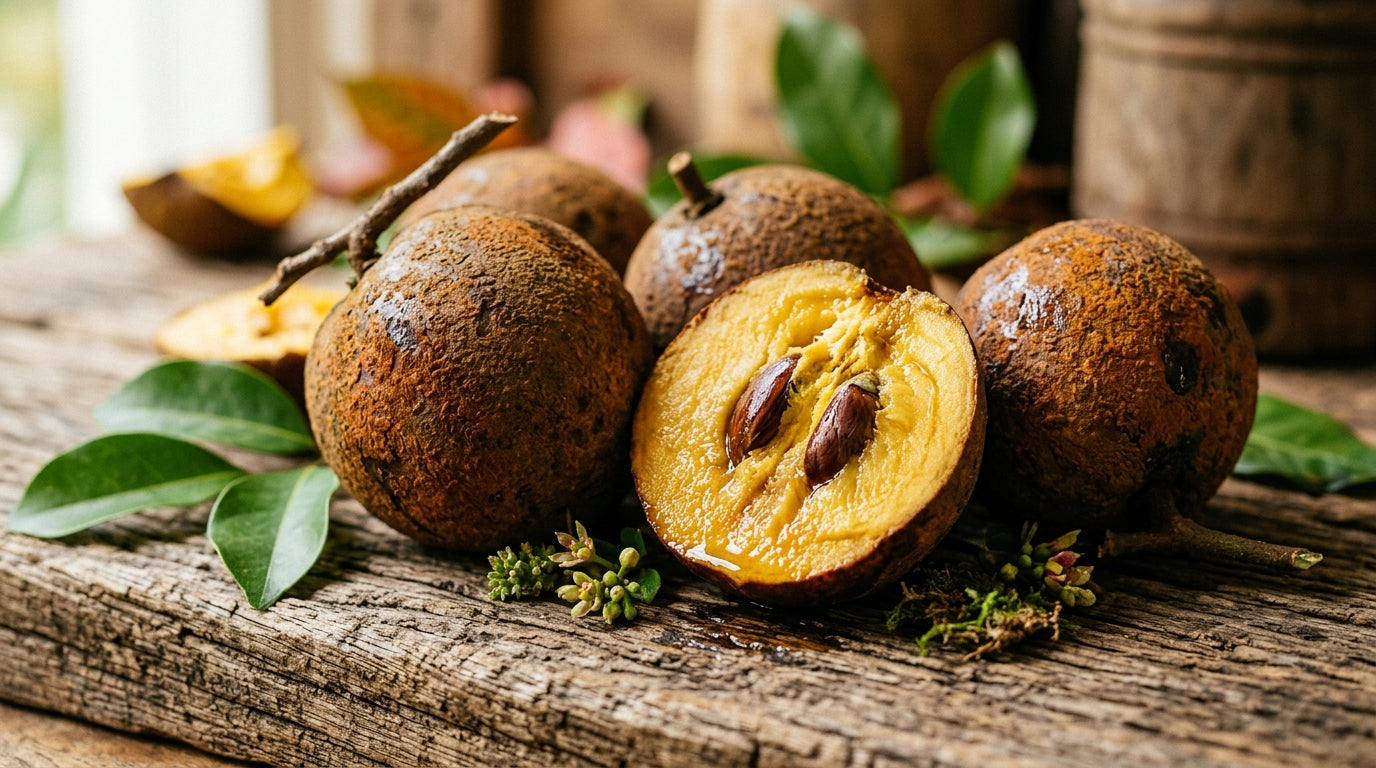
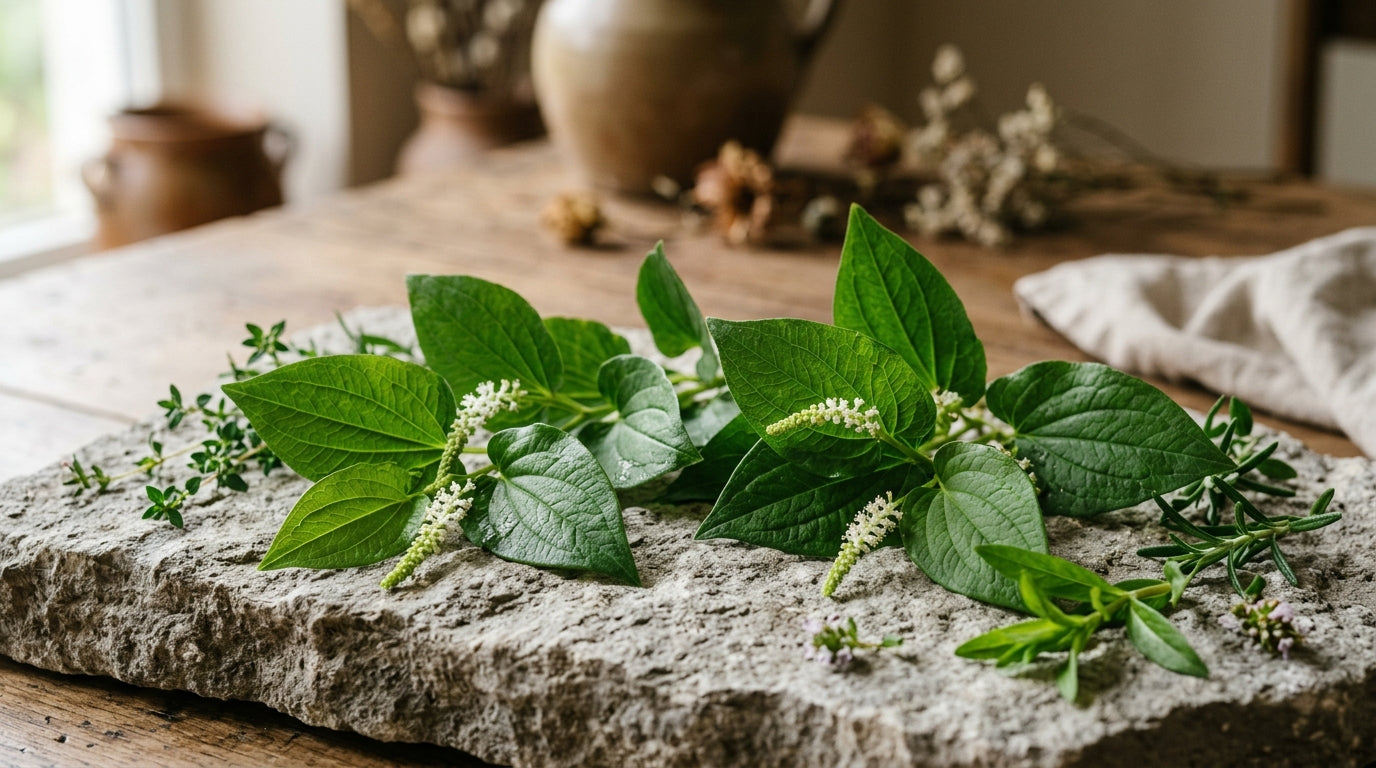
Lily seeds, primarily from water lilies (Nymphaea spp.), contain high concentrations of polyphenols, flavonoids, and tannins that provide potent antioxidant activity by scavenging free radicals and reducing oxidative stress. These bioactive compounds demonstrate anti-inflammatory effects by inhibiting NO production in macrophages and reducing tyrosinase activity by 55-120% in laboratory studies.

Origin
Lily Seed (Lilium brownii) is derived from the bulbs of the lily plant, native to East Asia, particularly China and Japan. These starchy seeds are revered in traditional medicine and cuisine for their soothing and nourishing properties. They offer unique compounds that support respiratory, digestive, and nervous system health.
Potential benefits
- Supports respiratory wellness by moistening the lungs and soothing coughs, as per traditional use.
- Aids digestive health through its dietary fiber content, promoting regularity and gut comfort.
- Promotes stress relief and mental calm by nourishing the nervous system and supporting relaxation.
- Enhances sleep quality by calming the mind and alleviating restlessness.
- Contributes to immune resilience with its array of antioxidants and nourishing compounds.
- Supports cardiovascular wellness by providing essential minerals and promoting overall systemic balance.
How it works
Water lily seeds' high polyphenol, flavonoid, and tannin content provides strong antioxidant activity by neutralizing free radicals and mitigating oxidative stress pathways. These compounds inhibit nitric oxide production in LPS-stimulated RAW 264.7 macrophages in a dose-dependent manner, demonstrating anti-inflammatory effects. Steroidal saponins in Lilium species, including 26-O-β-D-glucopyranosyl-3β,26-dihydroxy-cholesten, contribute to anti-tumor activity through enhanced cellular uptake and hydrogen-bonding mechanisms.
What the research says
Current evidence is limited to in vitro studies with no human clinical trials reported. Water lily seed extracts demonstrated strong antioxidant activity correlated with high polyphenol content in laboratory analysis. Lilium petal extracts showed 55-65% tyrosinase inhibition with ethanol extraction and 80-120% inhibition with water extraction at 5000 μg/mL concentrations. Cell viability studies revealed potential cytotoxicity after 48-hour exposure at high doses, indicating the need for comprehensive human safety trials.
Safety and interactions
No specific safety data, drug interactions, or contraindications are established from clinical research. In vitro studies show reduced cell viability in RAW 264.7 macrophages after 48-hour exposure to high concentrations (5000 μg/mL), suggesting potential cytotoxicity at excessive doses. The high tannin and polyphenol content may theoretically cause gastrointestinal upset with overconsumption, though this remains unconfirmed. Pregnant and nursing women should avoid use due to lack of safety data, and patients taking medications should consult healthcare providers before use.
Suggested use
- Common Forms: Cooked or dried seeds, extracts, powders, functional teas, adaptogenic blends.
- Traditional Use: In Traditional Chinese Medicine (TCM) to nourish lungs, calm the mind, and promote sleep; used in soups, porridges, and herbal teas. Also featured in Japanese confections.
- Dosage: 10–30g of cooked or dried seeds daily, or 500–1000mg of extract.
Frequently asked questions
What are the main active compounds in lily seeds?
Lily seeds contain high quantities of flavonoids, tannins (both hydrolysable and condensed), and total phenols, with moderate cardiac glycosides. Water lily seeds specifically show the highest antioxidant activity due to their concentrated polyphenol content compared to other seed varieties.
Are lily seeds safe for daily consumption?
Safety data is limited to laboratory studies showing potential cytotoxicity at high concentrations after 48-hour exposure. No human clinical trials exist to establish safe dosing guidelines, and the high tannin content may cause digestive upset with excessive intake.
How do lily seeds support respiratory health?
Traditional use suggests lily seeds moisten the lungs and soothe coughs, though this is based on historical applications rather than clinical evidence. The anti-inflammatory properties demonstrated in laboratory studies may theoretically support respiratory wellness, but human trials are needed for validation.
What's the difference between water lily and Lilium lily seeds?
Water lily seeds (Nymphaea species) are the primary source studied for antioxidant properties and contain high polyphenols and tannins. Lilium species research focuses more on bulbs and petals containing steroidal saponins, with limited seed-specific data available.
Can lily seeds interact with medications?
No specific drug interactions are documented in current research. However, the high polyphenol and tannin content could theoretically affect medication absorption, and patients should consult healthcare providers before combining lily seeds with prescription medications.
What is the recommended daily dosage of lily seeds for sleep and relaxation?
Typical supplemental dosages of lily seeds range from 6-12 grams daily, often divided into two doses taken with warm water or as part of herbal formulations. For sleep support specifically, many practitioners recommend taking lily seed preparations 30-60 minutes before bedtime to allow adequate time for its calming compounds to take effect. Individual needs may vary based on body weight and sensitivity, so starting with a lower dose and adjusting upward is advisable.
Is lily seed safe for pregnant women and children?
While lily seeds are traditionally considered gentle, pregnant women should consult with a healthcare provider before supplementing, as safety data during pregnancy is limited. For children, lily seeds in food amounts are generally regarded as safe, but medicinal supplemental doses should only be given under professional guidance, particularly for children under 12 years old. Elderly individuals typically tolerate lily seeds well due to their mild nature and digestive support properties.
How does the bioavailability of lily seed powder compare to whole seeds or decoctions?
Lily seed decoctions (simmered for 20-30 minutes) are traditionally preferred because heat extraction enhances the bioavailability of beneficial compounds and makes nutrients more accessible to the digestive system. Powdered lily seeds offer convenience but may have slightly reduced bioavailability unless mixed with liquid and consumed promptly to prevent oxidation. Whole seeds require longer digestion time and may pass through the system incompletely, making them less efficient for therapeutic benefit compared to processed forms.
References
- https://www.ncbi.nlm.nih.gov/search/all/?term=Lily+Seed
- https://fdc.nal.usda.gov/fdc-app.html#/search?query=Lily+Seed
- https://www.sciencedirect.com/science/article/pii/S2213453019302988
- https://www.ncbi.nlm.nih.gov/pmc/articles/PMC7266183/
This article is educational and is not medical advice. Statements have not been evaluated by the FDA and are not intended to diagnose, treat, cure, or prevent any disease. Consult a healthcare professional before use.