Licania fruit contains 12 polyphenol compounds including gallic acid, ellagic acid, and isovitexin that demonstrate potent anti-inflammatory effects by inhibiting TLR4 pathways and reducing pro-inflammatory cytokine secretion by approximately 50%. The fruit exhibits exceptional antioxidant activity with TEAC values of 14,721.69 μmol per 100g through prevention of lipid peroxidation and free radical scavenging mechanisms.

Origin
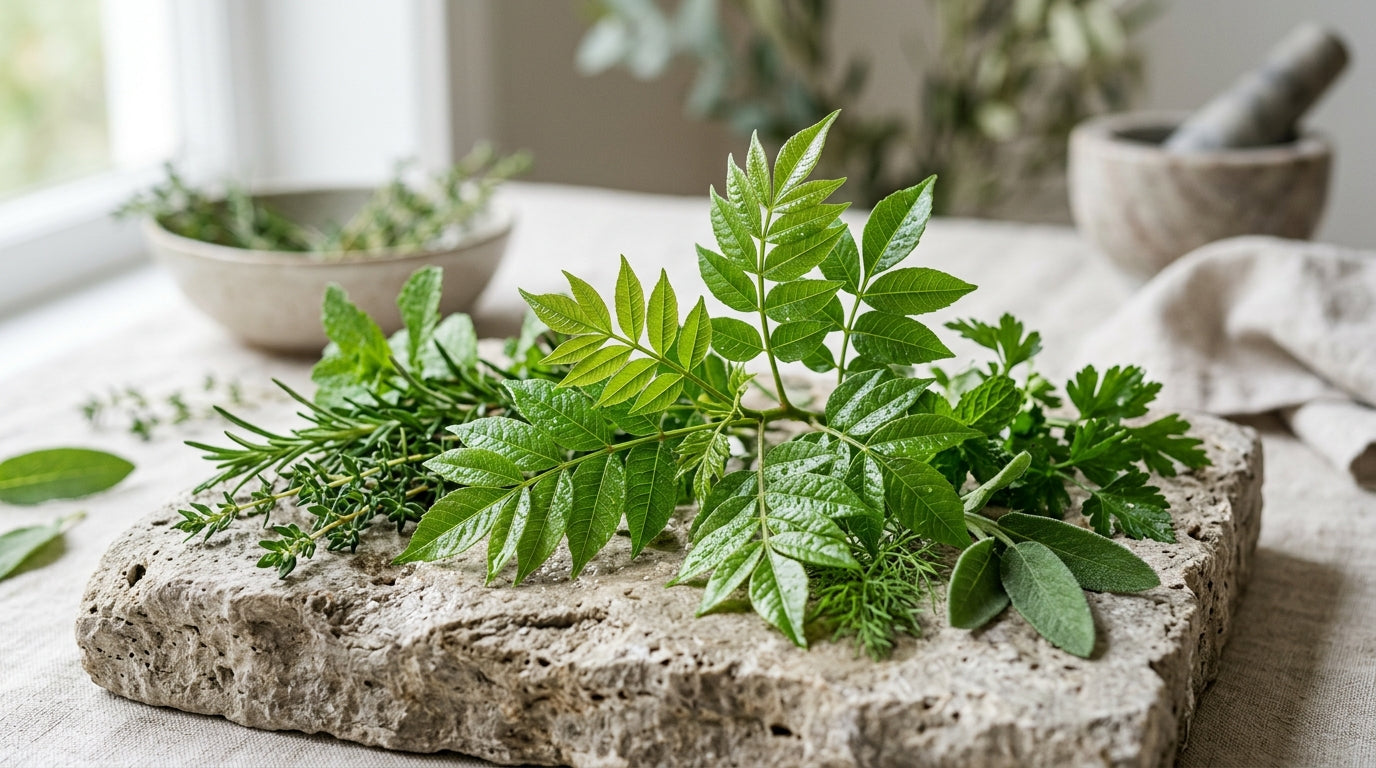
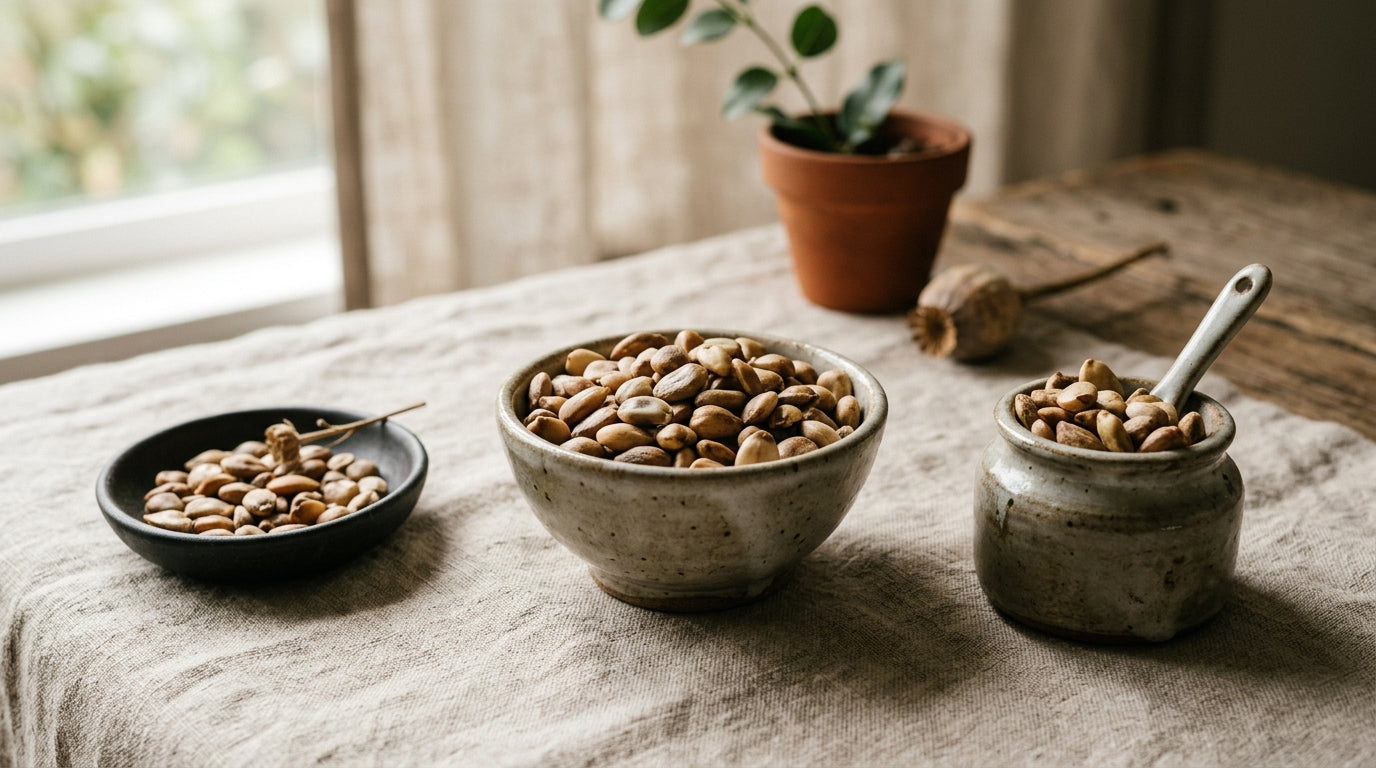
Licania Fruit (Licania tomentosa) is a tropical fruit native to the Amazonian lowlands and riverbanks of Brazil, Suriname, and the Guianas, thriving in clay-loam tropical soils. It is valued in functional nutrition for its traditional use in supporting digestion and recovery from malnutrition.
Potential benefits
- Supports digestive health by providing soluble and insoluble fiber, promoting gut motility and a healthy microbiome.
- Enhances nutrient absorption and recovery from malnutrition due to its rich vitamin and mineral profile.
- Protects liver function through antioxidant compounds like quercetin and apigenin, aiding detoxification processes.
- Promotes skin balance and integrity with antioxidant vitamins (C) and phytochemicals.
- Modulates inflammatory responses via flavonoids such as quercetin and apigenin.
- Contributes to energy metabolism with B-complex vitamins and essential minerals.
How it works
Licania fruit's bioactive compounds including gallic acid, ellagic acid, and isovitexin modulate inflammatory responses by suppressing toll-like receptor (TLR4) activation pathways, preventing the release of TNF-α, IL-1β, IL-6, and nitric oxide. The polyphenolic compounds demonstrate antioxidant activity through prevention of lipid peroxidation and free radical formation, with particularly strong activity in FRAP assays showing RC₅₀ values of 0.203-0.309 μg/mL.
What the research says
In vitro studies on Licania rigida extracts demonstrated approximately 50% reduction in pro-inflammatory cytokine secretion and 40% inhibition of leukocyte migration at 500 μg/mL concentrations. Licania tomentosa seed extracts showed strong antioxidant activity with DPPH SC₅₀ values of 10.30-15.87 μg/mL and TBARS IC₅₀ values of 18.46-20.84 μg/mL in laboratory analyses. The fruit pulp demonstrated exceptionally high antioxidant capacity equivalent to 14,721.69 ± 0.85 μmol TEAC per 100g in comparative studies. However, evidence remains limited to preliminary in vitro research and phytochemical analyses, with no human clinical trials currently available.
Safety and interactions
Current research indicates Licania tomentosa fruits contain no detectable lectins or protease inhibitors (chymotrypsin and trypsin), suggesting absence of these antinutritional factors. However, comprehensive safety data including adverse effects, drug interactions, and contraindications are not available from existing studies. Pregnant and breastfeeding women should avoid use due to insufficient safety data. Patients taking medications should consult healthcare providers before use, as potential interactions with the fruit's bioactive polyphenolic compounds remain unstudied.
Suggested use
- Forms: Consumed as fresh fruit or freeze-dried powder.
- Dosage: 1–2 fresh fruits or 3–5 g of freeze-dried powder daily.
- Timing: Typically taken for gut, energy, and immune support.
Frequently asked questions
What are the main bioactive compounds in Licania fruit?
Licania fruit contains 12 polyphenol compounds with predominant flavonoids including gallic acid, ellagic acid, isovitexin, ferulic acid, pheophorbide A, pyridoxine (vitamin B6), phenylalanine, and adenosine monophosphate. These compounds are responsible for the fruit's anti-inflammatory and antioxidant properties.
How effective is Licania fruit for reducing inflammation?
Laboratory studies show Licania rigida extracts reduce pro-inflammatory cytokine secretion (TNF-α, IL-1β, IL-6) by approximately 50% and inhibit nitric oxide production by 30% at concentrations of 100-500 μg/mL. The compounds work by suppressing toll-like receptor (TLR4) activation pathways.
What antioxidant strength does Licania fruit have compared to other fruits?
Licania tomentosa fruit demonstrates exceptionally high antioxidant activity with TEAC values of 14,721.69 ± 0.85 μmol per 100g, substantially higher than comparison species. Seed extracts show strong DPPH scavenging activity with SC₅₀ values of 10.30-15.87 μg/mL.
Is Licania fruit safe to consume regularly?
While Licania tomentosa fruits contain no detectable lectins or harmful protease inhibitors, comprehensive safety data is lacking. No adverse effects, drug interactions, or contraindications have been established through clinical research, making regular consumption safety uncertain.
What forms of Licania fruit are available for therapeutic use?
Current research focuses primarily on fruit pulp extracts and seed extracts from Licania tomentosa and leaf extracts from Licania rigida. However, standardized therapeutic preparations are not commercially established, as research remains in preliminary phytochemical analysis stages.
Can Licania fruit help improve digestive health and gut microbiome balance?
Yes, Licania fruit contains both soluble and insoluble fiber that work synergistically to promote healthy gut motility and support beneficial bacteria growth. The fiber content helps establish a balanced microbiome, which is essential for nutrient absorption, immune function, and overall digestive wellness. Regular consumption may help address digestive sluggishness and support long-term gastrointestinal health.
How does Licania fruit support liver function and natural detoxification?
Licania fruit contains powerful antioxidant compounds, including quercetin and apigenin, which protect liver cells from oxidative stress and support the organ's natural detoxification pathways. These polyphenols help reduce the burden on hepatic enzymes responsible for processing toxins and metabolic waste. Regular intake may enhance overall liver resilience and support the body's ability to eliminate harmful substances.
Is Licania fruit beneficial for recovery from malnutrition or nutritional deficiencies?
Licania fruit is particularly valuable for addressing malnutrition due to its dense micronutrient profile, including vitamins, minerals, and bioavailable compounds that enhance nutrient absorption. The fruit's combination of fiber and phytonutrients promotes better intestinal absorption and utilization of nutrients across the digestive tract. This makes it especially useful as part of a recovery protocol for those with compromised nutritional status or absorption issues.
References
- https://www.ncbi.nlm.nih.gov/search/all/?term=Licania+Fruit
- https://fdc.nal.usda.gov/fdc-app.html#/search?query=Licania+Fruit
- https://www.ncbi.nlm.nih.gov/pmc/articles/PMC8676945/
- https://www.sciencedirect.com/science/article/pii/S1878535220302383
This article is educational and is not medical advice. Statements have not been evaluated by the FDA and are not intended to diagnose, treat, cure, or prevent any disease. Consult a healthcare professional before use.