No human clinical trials exist specifically for Duruka, with evidence limited to in vitro studies and traditional use patterns. Related Asparagus officinalis studies show antioxidant activity of 1.49-2.41 mmol TE/g extract in laboratory assays. Phytochemical analysis reveals up to 6.0 mg/g caffeic acid and 3.9 mg/g quercetin in similar species. Clinical research is needed to validate traditional health claims and establish therapeutic dosing protocols.

Origin
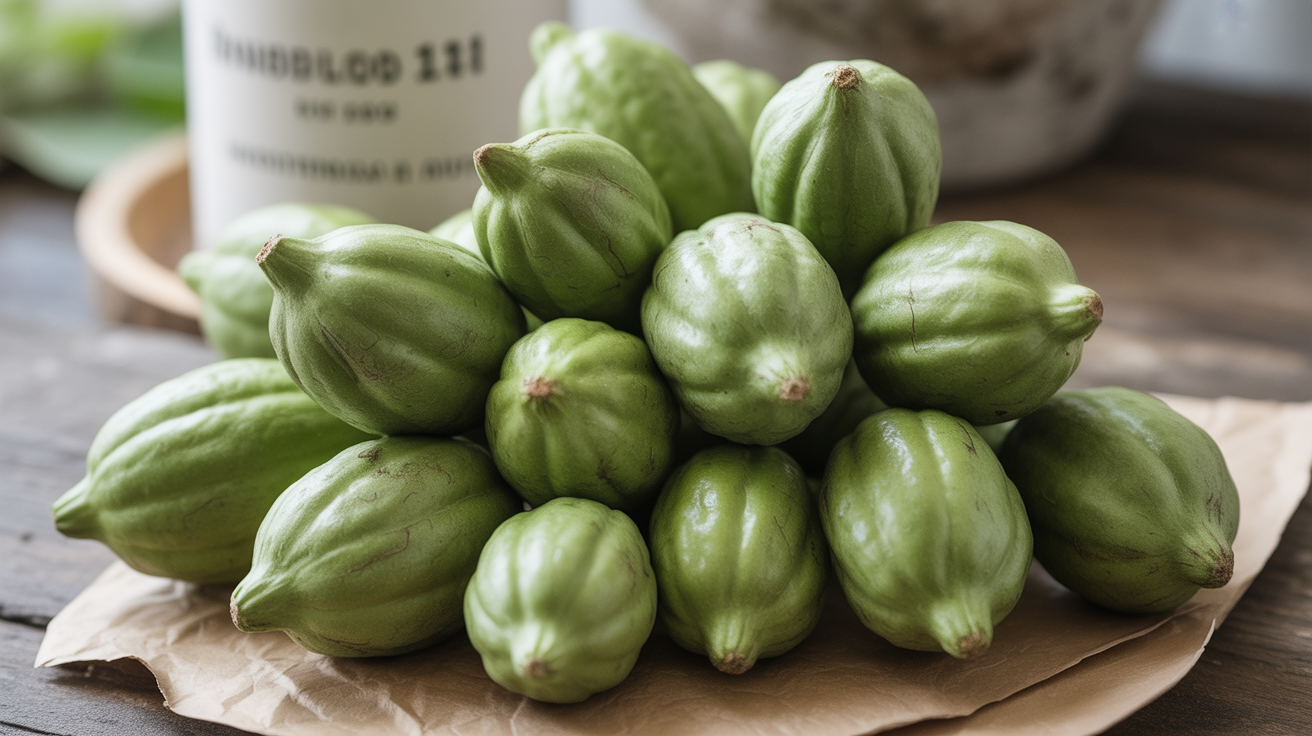
Duruka (Saccharum edule), also known as Fijian Asparagus, is a wild vegetable native to the Fijian islands, particularly thriving in mountainous, tropical rainforest regions. It is harvested in its tender, young form, characterized by thick, juicy, and crunchy stalks. Duruka is a staple in traditional Fijian diets, valued for its refreshing taste and rich nutritional profile, including vitamins, minerals, and antioxidants.
Potential benefits
- Supports immune function: due to its high vitamin C content.
- Contributes to strong: bones and blood health with its calcium and iron content.
- Protects the body: from harmful free radicals through its antioxidant compounds, reducing inflammation.
- Aids in digestion: and promotes gut health with its high dietary fiber content.
- Regulates blood pressure: and supports heart health through its potassium content.
How it works
Duruka's phenolic compounds, including caffeic acid and ferulic acid, are proposed to exert anti-inflammatory effects by inhibiting the NF-κB signaling pathway and suppressing cyclooxygenase-2 (COX-2) and inducible nitric oxide synthase (iNOS) expression. Flavonoids such as quercetin and rutin present in the inflorescence tissue act as free radical scavengers, neutralizing reactive oxygen species (ROS) through electron donation and chelation of transition metal ions (Fe²⁺, Cu²⁺) that catalyze oxidative damage. The saponin fraction may contribute to cholesterol-lowering effects by forming insoluble complexes with bile acids in the gastrointestinal tract, thereby increasing fecal cholesterol excretion and upregulating hepatic LDL receptor expression. Potassium content supports cardiovascular function through sodium-potassium ATPase pump regulation, promoting vasodilation and reducing peripheral vascular resistance.
What the research says
As of 2024, no peer-reviewed clinical trials specifically examining Saccharum edule (duruka) have been indexed in PubMed. The New Zealand Ministry for Primary Industries has published a risk assessment on fresh duruka for human consumption (MPI Document 35793, 2019), confirming its status as a traditional food crop consumed across the Pacific Islands. Nutritional analyses cited in Pacific agricultural literature indicate duruka provides appreciable dietary fiber (approximately 3–5 g per 100 g), vitamin C, calcium, iron, and potassium. Further pharmacological and clinical research is urgently needed to validate the antioxidant and anti-inflammatory properties suggested by its phenolic and flavonoid content.
Safety and interactions
Duruka is generally recognized as safe when consumed as a traditional food in customary quantities; no specific adverse effects have been documented in the ethnobotanical or toxicological literature. Individuals taking anticoagulant medications (e.g., warfarin) should exercise caution, as the vitamin K and flavonoid content could theoretically modulate coagulation pathways, although no specific CYP450 interactions for duruka have been studied. Persons with known allergies to grasses (Poaceae family) may have cross-reactive sensitivity given that Saccharum edule belongs to this botanical family. Pregnant or breastfeeding women should consult a healthcare provider before consuming duruka in medicinal quantities, as safety data for concentrated or supplemental use are unavailable.
Suggested use
- Traditionally consumed in Fijian cuisine, prepared by steaming, boiling, or stir-frying.
- Commonly eaten as a side dish, added to soups, stews, salads, or curries.
- Dosage: Typically consumed as a vegetable in meal portions; no specific extract dosage provided for Fijian Asparagus.
Frequently asked questions
What is duruka and how is it eaten in Fiji?
Duruka is the unopened inflorescence (flower head) of Saccharum edule, a tropical plant closely related to sugarcane, harvested before it emerges from its protective sheath. In Fiji, it is commonly boiled, steamed, or cooked in coconut cream (lolo) as a vegetable side dish and is considered a seasonal delicacy available primarily between May and October.
What are the main duruka benefits for health?
Duruka benefits include supporting digestive health through its high dietary fiber content (3–5 g per 100 g), bolstering immune function via vitamin C, and contributing to bone and blood health with calcium and iron. Its phenolic and flavonoid compounds also provide antioxidant protection against oxidative stress and chronic inflammation.
Is duruka the same as regular asparagus?
No. Despite the common name 'Fijian asparagus,' duruka (Saccharum edule) is a monocot in the grass family Poaceae and is botanically unrelated to true asparagus (Asparagus officinalis, family Asparagaceae). The nickname derives from its similar appearance and mild flavor when cooked, not from any taxonomic relationship.
What nutrients are found in duruka?
Duruka provides dietary fiber, vitamin C, calcium, iron, potassium, and B-group vitamins. It also contains bioactive phytochemicals including flavonoids (quercetin, rutin), phenolic acids (caffeic acid, ferulic acid), and saponins, which collectively contribute to its traditional reputation as a health-promoting food.
Can you eat duruka raw or does it need to be cooked?
Duruka is typically consumed cooked—boiled, steamed, or simmered in coconut milk—rather than eaten raw. Cooking softens the fibrous tissue, improves palatability, and may reduce any potential anti-nutritional factors such as oxalates. The New Zealand MPI food safety assessment (2019) evaluates duruka specifically as a cooked food product for import.
Is duruka safe to take as a supplement during pregnancy and breastfeeding?
Duruka is generally considered safe during pregnancy and breastfeeding due to its whole-food origin and nutrient density, particularly its calcium and iron content which support fetal development and maternal health. However, pregnant and breastfeeding women should consult with their healthcare provider before adding any new supplement to their routine to ensure it aligns with their individual health needs. Duruka's high fiber content is also beneficial for pregnancy-related digestive issues, but moderation is recommended to avoid excessive gas or bloating.
References
- https://fdc.nal.usda.gov/fdc-app.html#/search?query=Duruka
- https://fdc.nal.usda.gov/fdc-app.html#/search?query=Duruka+%28Fijian+Asparagus%29
- https://www.ncbi.nlm.nih.gov/search/all/?term=Duruka
- https://www.ncbi.nlm.nih.gov/search/all/?term=Duruka+%28Fijian+Asparagus%29
- https://doi.org/10.1016/j.jff.2020.103728
- https://www.ncbi.nlm.nih.gov/pmc/articles/PMC7224485
- https://www.sciencedirect.com/science/article/pii/S1874391919307526
This article is educational and is not medical advice. Statements have not been evaluated by the FDA and are not intended to diagnose, treat, cure, or prevent any disease. Consult a healthcare professional before use.