Current evidence for Hottentot Fig is limited to in vitro laboratory studies measuring antioxidant activity through radical scavenging assays and anti-inflammatory effects in cell cultures. No human clinical trials have been conducted to validate therapeutic benefits or establish effective dosages. Studies report EC₅₀ values for radical scavenging and metal chelation across seasonal and spatial extract variations, but lack statistical significance data or clinical endpoints. The evidence base remains preliminary and requires human studies to substantiate traditional uses.

Origin
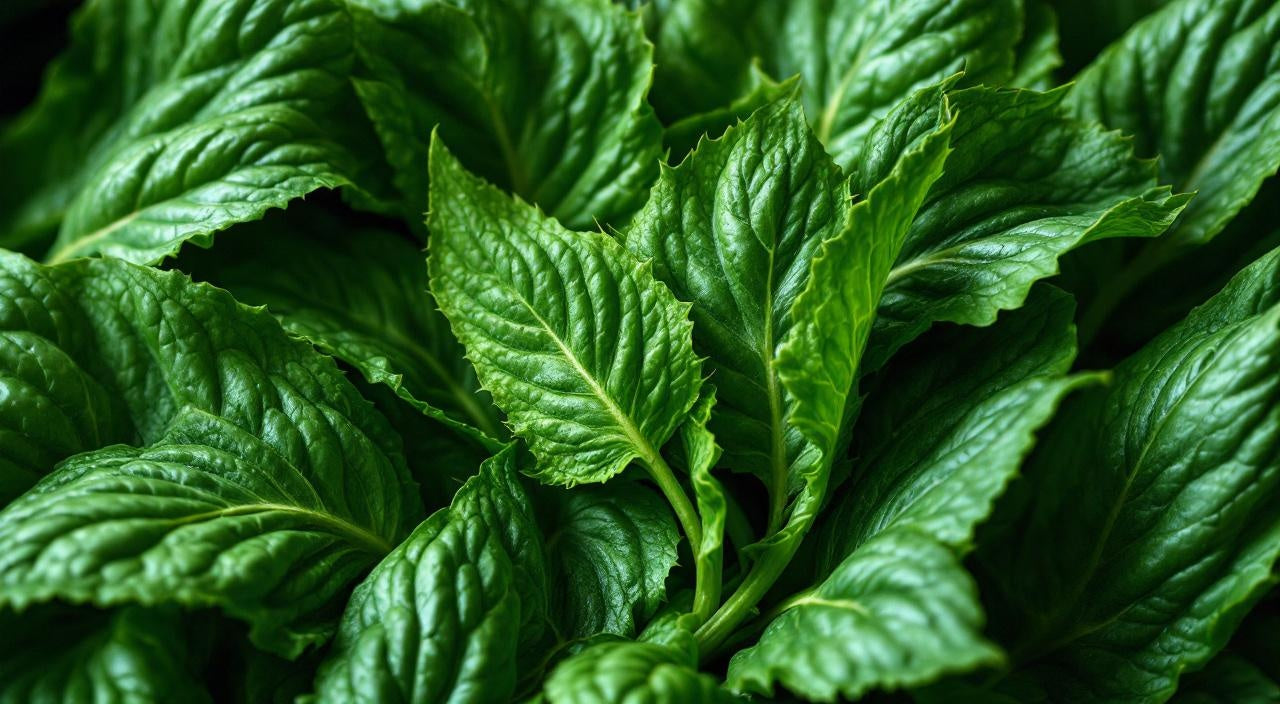
Hottentot Fig (Carpobrotus edulis) is a succulent plant native to the coastal regions of South Africa, thriving in sandy, saline environments. Known also as "Cape Fig" or "Ice Plant," it is vital for dune stabilization and produces edible fruits and fleshy leaves. This resilient plant offers unique functional nutrition and traditional medicinal applications.
Potential benefits
- Supports digestive health: through high dietary fiber, promoting gut motility and a healthy microbiome.
- Reduces inflammation via: bioactive compounds like flavonoids and tannins.
- Strengthens the immune: system with vitamin C and other antioxidants.
- Facilitates skin healing,: traditionally used to soothe burns, wounds, and insect bites.
- Maintains hydration and: provides electrolytes due to its succulent nature.
How it works
Phenolic acids including gentisic, salicylic, chlorogenic, caffeic, coumaric, and ferulic acids neutralize DPPH•, ABTS•+, and NO radicals while providing ferric reducing power and metal chelation. The primary flavonoid luteolin-7-O-glucoside works synergistically with salicylic acid to inhibit nitric oxide production in lipopolysaccharide-stimulated macrophages. These compounds also demonstrate anti-melanogenic properties through mechanisms that remain under investigation.
What the research says
Scientific studies are emerging to validate the traditional medicinal and nutritional benefits of Hottentot Fig, particularly its anti-inflammatory, antioxidant, and digestive support properties. Research focuses on its bioactive compounds and their efficacy in skin healing and gut health.
Safety and interactions
No safety data, drug interactions, or contraindications have been established for Hottentot Fig fruit consumption. The high phenolic content exceeding 200 mg GAE/g suggests potential for interactions with medications metabolized through similar pathways, though specific interactions remain uncharacterized. Safety during pregnancy and lactation has not been evaluated. Given the lack of toxicity studies, caution is advised until comprehensive safety profiles are established.
Suggested use
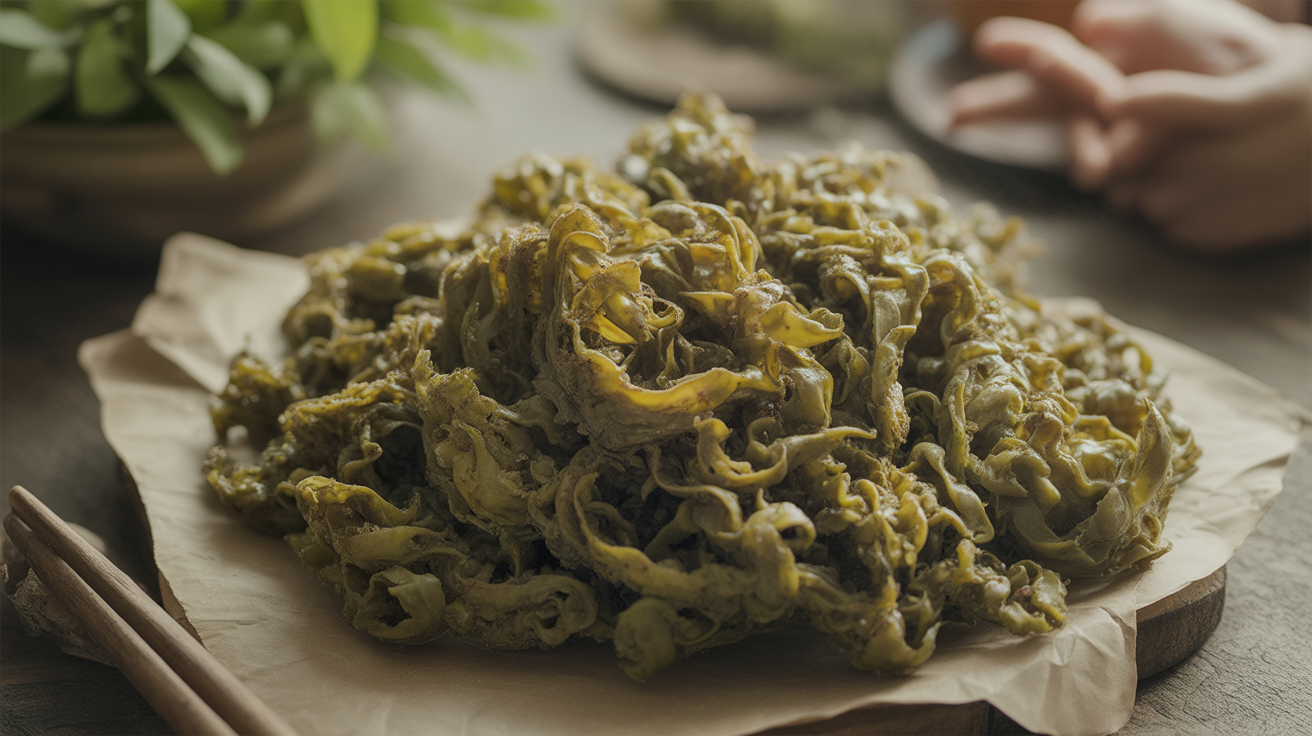
- Traditionally consumed fresh, fermented into jams, or dried; leaf juice applied topically for skin irritations.
- Modern uses include herbal teas, natural skincare products, wellness supplements, and culinary applications.
- Recommended dosage: 50-70g of fruit, or 1-2 teaspoons of leaf extract per topical application.
Frequently asked questions
What are the main bioactive compounds in Hottentot Fig fruit?
Hottentot Fig contains phenolic acids including salicylic, chlorogenic, caffeic, coumaric, and ferulic acids, with luteolin-7-O-glucoside as the primary flavonoid. Total phenolic content exceeds 200 mg gallic acid equivalents per gram of dry extract weight.
Is there clinical evidence supporting Hottentot Fig's health benefits?
No human clinical trials have been conducted on Hottentot Fig fruit. Current evidence is limited to in vitro laboratory studies demonstrating antioxidant and anti-inflammatory activities in cell culture models.
How does Hottentot Fig provide anti-inflammatory effects?
The fruit's phenolic compounds, particularly salicylic acid and luteolin-7-O-glucoside, inhibit nitric oxide production in LPS-stimulated macrophages. This mechanism reduces inflammatory mediator release and neutralizes reactive oxygen species that contribute to inflammation.
What is the difference between Hottentot Fig and regular figs?
Hottentot Fig (Carpobrotus edulis) is a succulent plant fruit unrelated to common figs (Ficus species). It contains significantly higher phenolic compound concentrations and different bioactive profiles, with unique anti-melanogenic properties not found in traditional figs.
Are there any safety concerns with consuming Hottentot Fig fruit?
Safety data for Hottentot Fig consumption is currently unavailable, with no established contraindications or drug interactions. The high phenolic content suggests potential for medication interactions, requiring caution until comprehensive toxicity studies are completed.
Can Hottentot Fig help with wound healing and skin repair?
Yes, Hottentot Fig has been traditionally used to accelerate skin healing due to its rich content of vitamin C, antioxidants, and mucilaginous compounds that support collagen synthesis and tissue regeneration. Modern research supports its application for minor burns, cuts, and insect bites, where topical use or consumption may reduce inflammation and promote faster epithelialization. The fruit's hydrating properties and electrolyte content also support skin health from within by maintaining cellular moisture balance.
References
- https://www.ncbi.nlm.nih.gov/search/all/?term=Hottentot+Fig
- https://fdc.nal.usda.gov/fdc-app.html#/search?query=Hottentot+Fig
- https://doi.org/10.1016/j.jep.2018.11.001
- https://www.sciencedirect.com/science/article/pii/S221242921830145X
This article is educational and is not medical advice. Statements have not been evaluated by the FDA and are not intended to diagnose, treat, cure, or prevent any disease. Consult a healthcare professional before use.