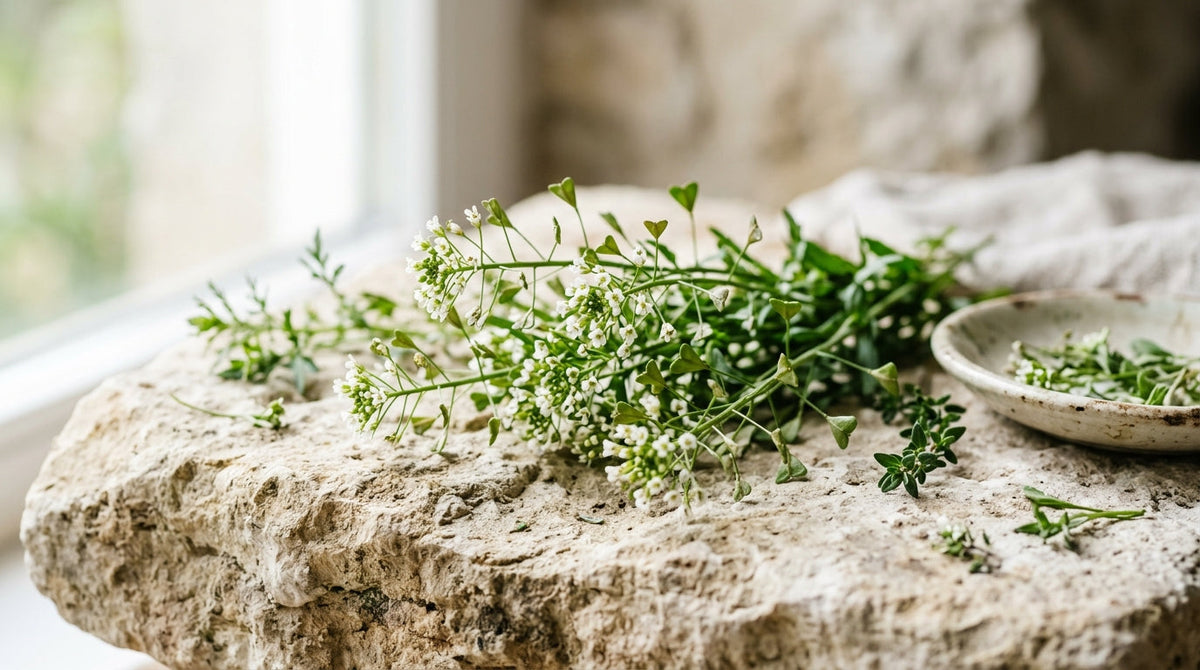
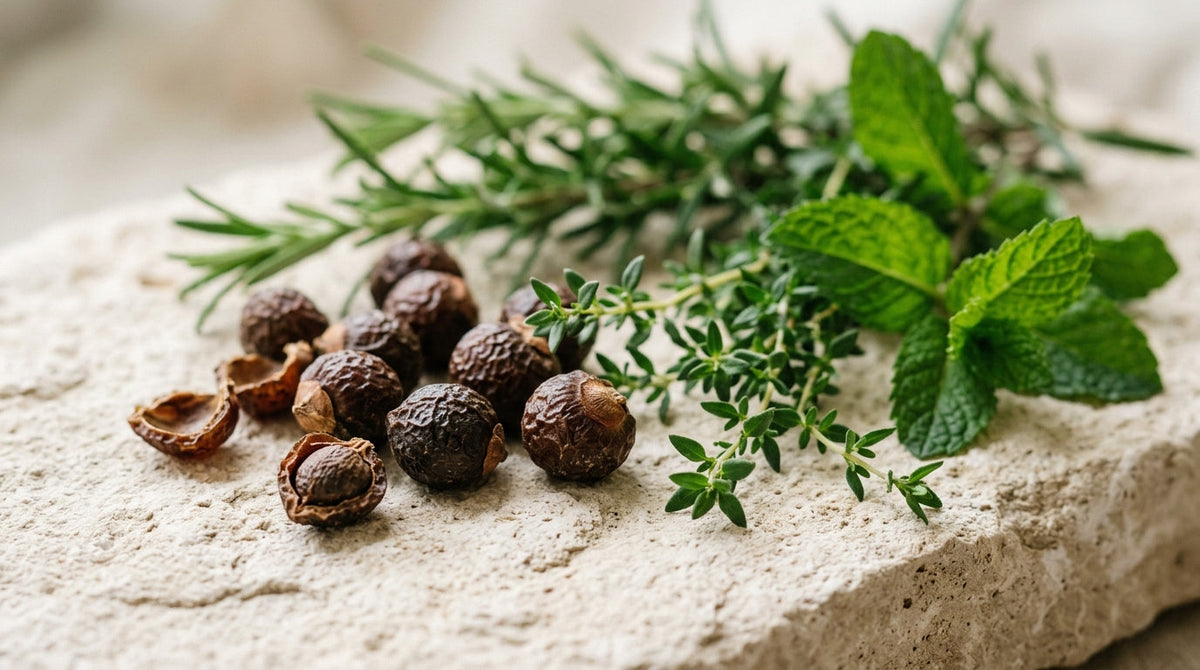
Silkworm Thorn Fruit (Cudrania tricuspidata) contains proteolytic serine proteases with a major 65-70 kDa enzyme that demonstrates optimal activity at pH 9.0 and 50°C. The fruit also provides phenolic compounds totaling 56.42 mg GAE/100g fresh weight, which form protein conjugates that enhance antioxidant activity through DPPH radical scavenging mechanisms.

Origin
Silkworm Thorn Fruit (Cudrania tricuspidata), also known as Che, is a deciduous tree native to East Asia, particularly China and Korea. It thrives in temperate climates and is cultivated for its edible fruit and medicinal properties. This fruit is gaining recognition in functional nutrition for its rich phytochemical profile.
Potential benefits
- Supports cardiovascular health by improving circulation and reducing arterial inflammation.
- Enhances immune resilience through its rich content of flavonoids and vitamin C.
- Contributes to metabolic balance by modulating blood glucose and lipid metabolism.
- Promotes digestive wellness through its dietary fiber and beneficial plant sterols.
- Provides neuroprotective benefits, supporting cognitive clarity by reducing oxidative stress.
- Supports skin vitality and anti-aging processes via its potent antioxidant profile.
How it works
The primary serine protease (65-70 kDa) hydrolyzes proteins like soy protein isolate and whey protein concentrate, releasing bioactive amino acids including leucine and histidine. Phenolic compounds including gallic acid, ferulic acid, and syringic acid form covalent and non-covalent bonds with proteins during hydrolysis. This conjugation process enhances DPPH radical scavenging capacity up to 70% by neutralizing free radicals and breaking down β-conglycinin and glycinin protein structures.
What the research says
Current research is limited exclusively to in vitro enzymatic and antioxidant assays with no human or animal clinical trials reported. Laboratory studies demonstrate that ethanol-precipitated extracts at 1:4 ratios show statistically significant proteolytic activity (p < 0.05), though with lower efficiency than commercial enzymes like Alcalase or papain. Silkworm Thorn Fruit-mediated protein hydrolyzates exhibited superior antioxidant activity compared to commercial enzyme controls in DPPH scavenging and reducing power assays. The evidence base remains preliminary and requires substantial clinical validation before therapeutic applications can be established.
Safety and interactions
No safety data, toxicity studies, drug interactions, or contraindications have been documented in available research literature. The presence of serine protease activity, confirmed by PMSF inhibition studies, suggests potential interactions with protease inhibitors or medications sensitive to enzymatic hydrolysis. Individuals with gastrointestinal disorders or those taking anticoagulant medications should exercise caution due to the proteolytic enzyme content. Pregnant and breastfeeding women should avoid use due to absence of safety data, and consultation with healthcare providers is essential before therapeutic use.
Suggested use
- Dried fruit: Brew 5–10 grams in hot water for 10–15 minutes.
- Extract: Take 500–1000 mg daily, ideally under professional guidance.
Frequently asked questions
What are the main active compounds in Silkworm Thorn Fruit?
The primary bioactive compounds include serine proteases with a major enzyme at 65-70 kDa and phenolic compounds totaling 56.42 mg GAE/100g. Key phenolic acids include gallic acid, ferulic acid, and syringic acid that contribute to antioxidant activity.
How effective is Silkworm Thorn Fruit compared to commercial enzymes?
Laboratory studies show Silkworm Thorn Fruit has lower proteolytic efficiency than commercial enzymes like Alcalase or papain (p < 0.05). However, it produces protein hydrolyzates with superior antioxidant activity in DPPH scavenging and reducing power assays.
Is Silkworm Thorn Fruit safe for human consumption?
No safety data, toxicity studies, or human trials exist for Silkworm Thorn Fruit. The absence of clinical safety information means potential risks and interactions remain unknown, requiring medical consultation before use.
What conditions might benefit from Silkworm Thorn Fruit supplementation?
Current evidence is limited to laboratory studies showing protein hydrolysis and antioxidant properties. No human clinical trials exist to support specific health benefits or therapeutic applications for any medical conditions.
How should Silkworm Thorn Fruit be processed for optimal activity?
Research indicates ethanol precipitation at a 1:4 ratio provides optimal proteolytic activity (p < 0.05). The serine protease shows peak activity at pH 9.0 and 50°C temperature conditions in laboratory settings.
What is the recommended daily dosage of Silkworm Thorn Fruit supplement?
Typical dosages range from 500–1,500 mg daily, divided into 1–2 servings, though optimal intake depends on the extract concentration and individual health goals. Most clinical studies supporting cardiovascular and metabolic benefits have used standardized extracts in the 500–1,000 mg daily range. It is advisable to start with a lower dose and gradually increase while monitoring tolerance, and to consult a healthcare provider for personalized dosing guidance based on your specific condition.
Does Silkworm Thorn Fruit interact with blood pressure or cholesterol medications?
Silkworm Thorn Fruit may have additive effects with antihypertensive and lipid-lowering medications due to its circulatory and metabolic benefits, potentially requiring dosage adjustments. Compounds in the fruit can affect blood glucose levels, making concurrent use with diabetes medications a consideration requiring medical oversight. Always inform your healthcare provider if you are taking cardiovascular or metabolic medications before starting supplementation to avoid adverse interactions.
Is Silkworm Thorn Fruit safe for pregnant women or nursing mothers?
Silkworm Thorn Fruit has limited safety data specifically in pregnant and lactating populations, and its bioactive compounds may influence metabolic and cardiovascular function in ways not yet fully characterized during pregnancy. Due to this lack of established safety evidence, pregnant and nursing women should avoid supplementation unless explicitly recommended by their healthcare provider. Those planning pregnancy should discuss supplementation plans with their obstetrician beforehand.
References
- https://www.ncbi.nlm.nih.gov/search/all/?term=Silkworm+Thorn+Fruit
- https://fdc.nal.usda.gov/fdc-app.html#/search?query=Silkworm+Thorn+Fruit
- https://pubmed.ncbi.nlm.nih.gov/31287698
- https://www.sciencedirect.com/science/article/pii/S0944711318305345
- https://www.ncbi.nlm.nih.gov/pmc/articles/PMC7049612/
This article is educational and is not medical advice. Statements have not been evaluated by the FDA and are not intended to diagnose, treat, cure, or prevent any disease. Consult a healthcare professional before use.