Cucamelon (Melothria scabra) contains phenolic compounds like gallic acid and amentoflavone that provide antioxidant effects by scavenging free radicals through DPPH inhibition. The fruit's polyphenols and flavonoids support cardiovascular health through potassium-mediated blood pressure regulation and enhanced circulation.

Origin
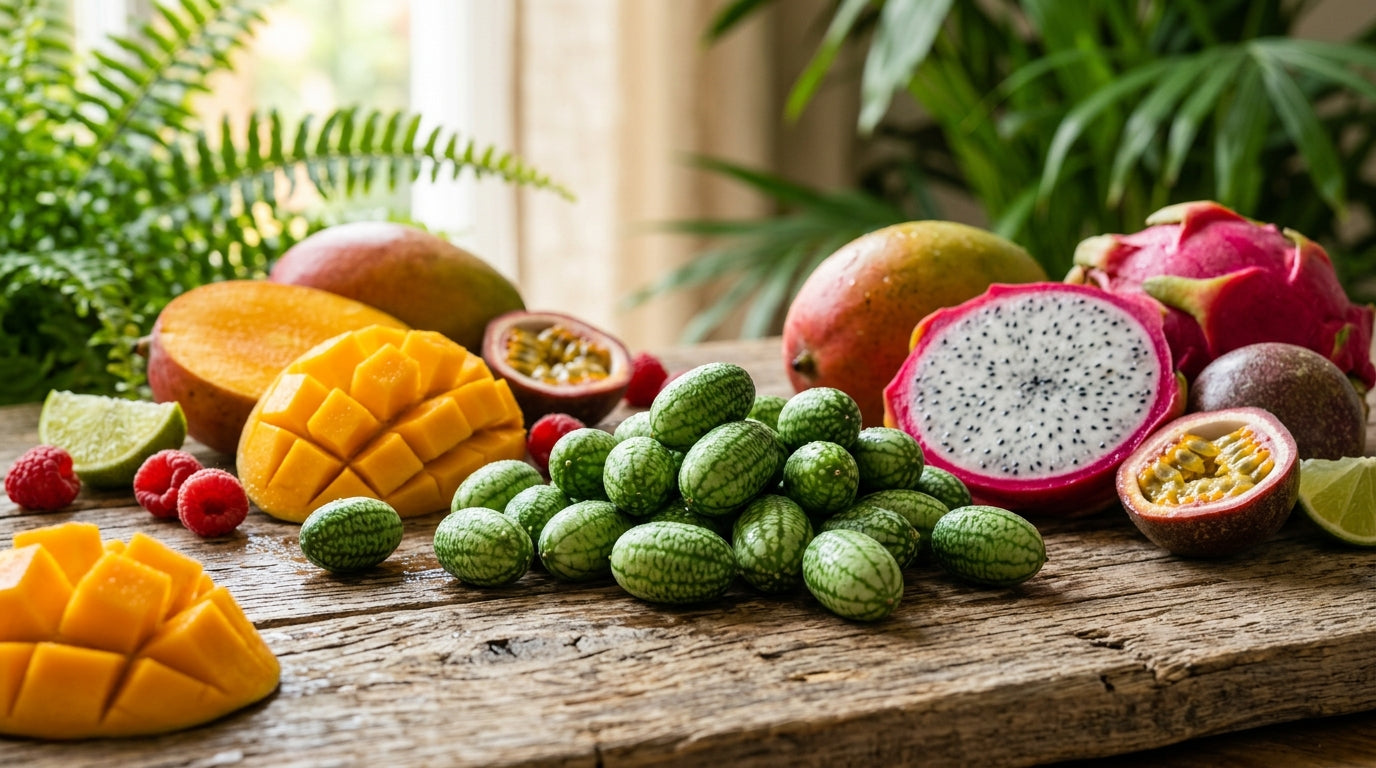
Cucamelon (Melothria scabra) is a small, grape-sized fruit native to Central America, particularly Mexico and Guatemala. This unique cucurbit is valued in functional nutrition for its hydrating properties, rich antioxidant profile, and support for cardiovascular and digestive health.
Potential benefits
- Supports cardiovascular health by regulating blood pressure and circulation through potassium and magnesium.
- Combats oxidative stress with polyphenols and flavonoids, enhancing immune resilience and healthy aging.
- Aids digestive wellness via dietary fiber, promoting gut microbiome balance and regularity.
- Supports metabolic health by contributing to blood sugar regulation.
- Provides mild diuretic effects, enhancing kidney function and detoxification processes.
- Offers anti-inflammatory benefits, supporting joint health and muscle recovery.
- Promotes hydration and skin vitality due to its high water content.
How it works
Cucamelon's phenolic compounds including gallic acid (13.56 mg/100g) and amentoflavone (16.14 mg/100g) neutralize free radicals through DPPH scavenging activity and superoxide inhibition. The fruit's potassium and magnesium content supports cardiovascular function by regulating vascular smooth muscle contraction and maintaining electrolyte balance. Dietary fiber components promote gut microbiome balance while flavonoids may inhibit α-amylase and α-glucosidase enzymes for blood glucose control.
What the research says
Current research on cucamelon is limited to preliminary in vitro studies and emerging investigations indexed on PubMed and ScienceDirect. No human clinical trials have been conducted specifically on Melothria scabra, with most available data extrapolated from related Cucurbitaceae family studies. Preliminary findings suggest antioxidant activity with DPPH scavenging rates up to 75.59% at 300 μg/mL in related cucurbit extracts, but direct cucamelon efficacy data remains unavailable. Further controlled human studies are warranted to validate the cardiovascular, digestive, and metabolic health claims.
Safety and interactions
No specific safety concerns, drug interactions, or contraindications have been reported for cucamelon in current literature. As a food-grade fruit traditionally consumed in Central America, cucamelon appears generally well-tolerated in typical dietary amounts. However, related cucurbits contain cucurbitacins which may be toxic at high concentrations, though specific toxicity thresholds for Melothria scabra have not been established. Pregnant and nursing women should consult healthcare providers before consuming cucamelon as a supplement due to lack of safety data in these populations.
Suggested use
- Forms: Fresh fruit, pickled.
- Culinary Use: Consumed fresh, pickled, or incorporated into salsas, salads, and beverages.
- Modern Applications: Used in gourmet dishes, functional beverages, and plant-based culinary creations.
- Dosage: 100–150 grams fresh daily or 400–800 mg standardized extract per day.
Frequently asked questions
What are the main health benefits of cucamelon fruit?
Cucamelon supports cardiovascular health through potassium and magnesium content that regulates blood pressure and circulation. The fruit's polyphenols and flavonoids combat oxidative stress while dietary fiber promotes digestive wellness and gut microbiome balance.
How much cucamelon should I eat daily for health benefits?
No established daily dosage exists for cucamelon due to limited clinical research on Melothria scabra specifically. Most health claims are based on preliminary studies of related cucurbit family members rather than direct cucamelon research.
Is cucamelon safe to eat during pregnancy?
Safety data for cucamelon consumption during pregnancy is not available in current literature. Pregnant women should consult their healthcare provider before adding cucamelon to their diet, especially in supplement form or large quantities.
What bioactive compounds give cucamelon its antioxidant properties?
Cucamelon contains phenolic compounds including gallic acid, amentoflavone, and hydroxytyrosol that provide antioxidant effects through free radical scavenging. Carotenoids like trans-β-carotene and flavonoids such as hesperidin and kaempferol also contribute to its antioxidant activity.
Can cucamelon help with blood sugar control?
Preliminary research suggests cucamelon may support metabolic health through α-amylase and α-glucosidase enzyme inhibition, which could help regulate blood glucose levels. However, no human clinical trials have confirmed these effects specifically for Melothria scabra.
Does cucamelon interact with blood pressure or blood sugar medications?
Cucamelon contains potassium and compounds that may have mild blood pressure-lowering effects, so individuals taking antihypertensive medications should monitor their intake and consult their healthcare provider. Similarly, because cucamelon may support blood sugar regulation, those on diabetes medications should be cautious about combining supplements with their current treatment regimen. As with any dietary change, medical supervision is recommended to prevent additive effects.
What is the difference between fresh cucamelon and supplemental cucamelon extract?
Fresh cucamelon provides whole-food fiber, hydration, and a complete polyphenol profile with minimal processing, making it ideal for digestive and cardiovascular support. Cucamelon extracts concentrate specific bioactive compounds like flavonoids and may offer higher antioxidant potency per serving, though they lack the fiber benefits of whole fruit. Fresh fruit is generally preferred for general wellness, while extracts may be useful for targeted antioxidant or immune support.
Who benefits most from adding cucamelon to their diet—are there specific populations?
Individuals with metabolic concerns, those seeking cardiovascular support, and people focused on healthy aging due to cucamelon's antioxidant content are ideal candidates for regular consumption. Those with digestive issues or poor gut health may particularly benefit from the dietary fiber content, which promotes microbiome balance. Generally, cucamelon is well-tolerated across age groups, though pregnant women and those on medications should seek professional guidance before supplementing.
References
- https://www.ncbi.nlm.nih.gov/search/all/?term=Cucamelon
- https://fdc.nal.usda.gov/fdc-app.html#/search?query=Cucamelon
- https://www.sciencedirect.com/science/article/pii/S2213453019302238
- https://www.ncbi.nlm.nih.gov/pmc/articles/PMC7265409/
This article is educational and is not medical advice. Statements have not been evaluated by the FDA and are not intended to diagnose, treat, cure, or prevent any disease. Consult a healthcare professional before use.