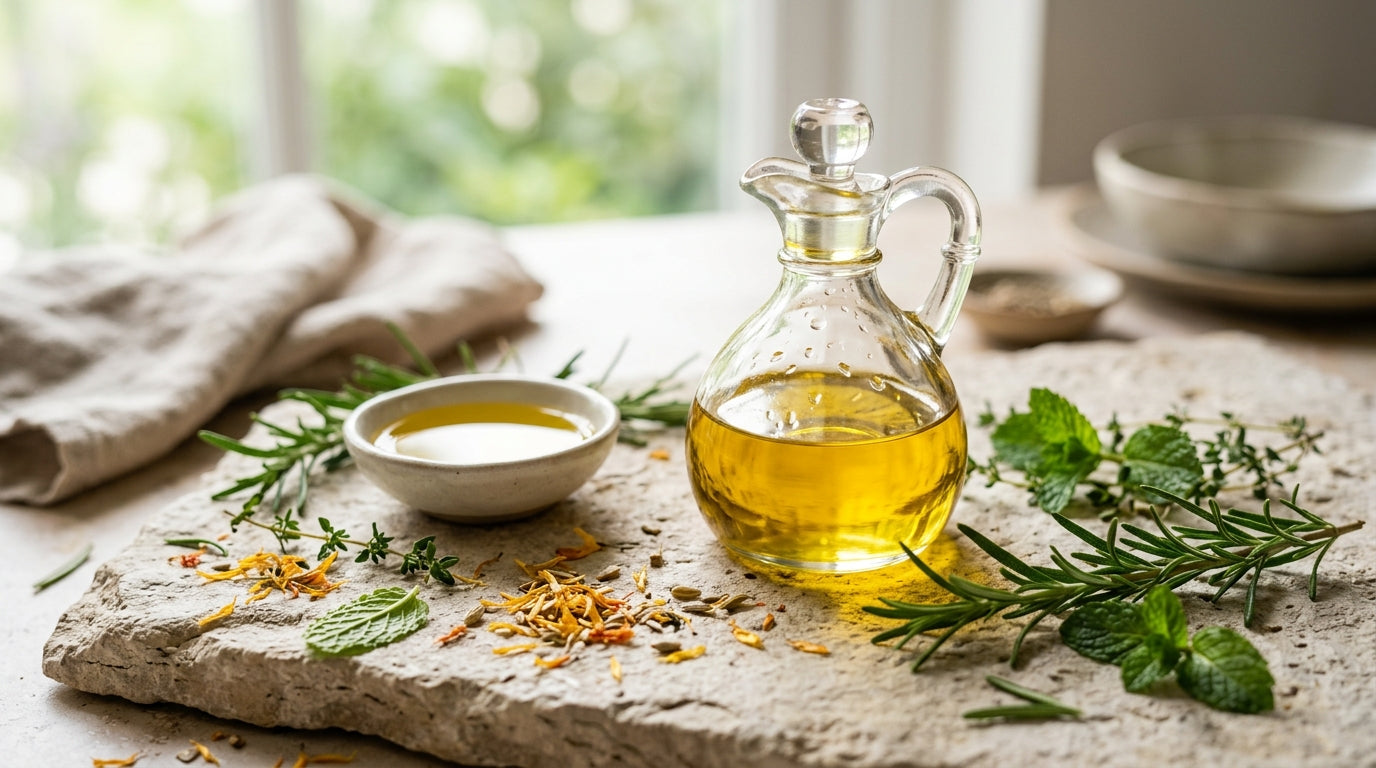
Safou (Dacryodes edulis) contains polyphenols, flavonoids, and terpenoids that demonstrate potent antioxidant activity with DPPH radical scavenging IC₅₀ values of 0.12 mg/mL and antimicrobial properties through membrane disruption. The fruit's compounds inhibit glucose-6-phosphatase activity, promoting glycogenesis over gluconeogenesis in hepatic tissue.

Origin
Safou (*Dacryodes edulis*), also known as the "Butterfruit," is a tropical fruit native to the rainforests of Central and West Africa, thriving in humid climates and nutrient-rich soils. Valued for its rich, creamy pulp and impressive nutritional profile, it serves as a dense source of healthy fats and essential nutrients for functional wellness.
Potential benefits
- Supports cardiovascular health by delivering monounsaturated fats and omega-6 fatty acids, which may improve lipid profiles and reduce inflammation.
- Provides robust antioxidant protection through vitamin E, carotenoids, and polyphenols, safeguarding cellular integrity against oxidative stress.
- Enhances digestive health via its high dietary fiber content, promoting gut motility and a balanced microbiome.
- Nourishes skin and hair with natural oils, promoting hydration, elasticity, and regeneration.
- Restores sustained energy levels, offering a dense source of healthy fats and calories.
- Supports brain and nervous system function through its lipid profile and antioxidant compounds.
- Boosts immune resilience with its array of vitamins and bioactive compounds.
How it works
Safou's polyphenols and flavonoids scavenge DPPH radicals and reduce Fe³⁺ to Fe²⁺ through direct antioxidant mechanisms. Essential oil terpenoids disrupt bacterial membrane integrity, deplete cellular ATP and glucose substrates, and inhibit DNA replication. Hepatic extracts specifically inhibit glucose-6-phosphatase enzyme activity, shifting glucose metabolism toward glycogen synthesis rather than glucose production.
What the research says
Current evidence derives exclusively from in vitro biochemical assays and limited animal models, with no human clinical trials available. Antioxidant studies show DPPH scavenging IC₅₀ values of 0.12-0.32 mg/mL across fruit ripening stages. Antimicrobial testing demonstrates zones of inhibition ranging 9-19.5 mm against Pseudomonas aeruginosa, E. coli, and Staphylococcus aureus. Animal hepatic studies show statistically significant glucose-6-phosphatase reduction (p<0.05), though clinical translation remains unestablished.
Safety and interactions
No adverse effects reported in biological testing across multiple therapeutic targets, though human safety data remains unavailable. Microorganisms showing resistance to aqueous extracts suggests relatively low toxicity potential. Theoretical additive effects may occur with antidiabetic medications due to glucose-6-phosphatase inhibition, requiring blood glucose monitoring. Pregnancy and lactation safety unknown due to absence of human studies.
Suggested use
- Common Forms: Consumed as fresh, roasted, or boiled fruit; also available as pressed oil or freeze-dried extract.
- Traditional Use: Roasted or boiled and eaten with staples like cassava; oil used for cooking, skincare, and ceremonial purposes.
- Dosage: 50-100g of fresh/roasted fruit daily, or 500-1000 mg/day of freeze-dried extract or oil.
- Applications: Used in plant-based energy blends, functional foods, gourmet dishes, and nutrient-dense skin formulations.
Frequently asked questions
What compounds make safou fruit beneficial for health?
Safou contains flavonoids, tannins, polyphenols, saponins, terpenoids, and alkaloids, with highest concentrations found in methanolic pulp extracts. Essential oils from seeds and bark provide hydrocarbon monoterpenes and sesquiterpenes responsible for antimicrobial activity.
How effective is safou against bacterial infections?
Safou essential oils create 9-19.5 mm zones of bacterial inhibition against Pseudomonas aeruginosa, with methanolic seed extracts showing strongest activity against E. coli and Staphylococcus aureus. Minimum inhibitory concentrations range from 18.78 mg/mL for Bacillus cereus, though some gram-negative bacteria show resistance.
Can safou help manage blood sugar levels?
Animal studies demonstrate safou extracts significantly reduce glucose-6-phosphatase enzyme activity (p<0.05), potentially promoting glucose storage as glycogen rather than glucose production. However, no human clinical trials have confirmed blood sugar benefits or established safe dosing protocols.
What antioxidant strength does safou fruit provide?
Fresh safou demonstrates DPPH radical scavenging with IC₅₀ values of 0.12 mg/mL, providing 50.76-64.43% DPPH inhibition across different extracts. Antioxidant potency decreases during fruit ripening as polyphenol oxidases degrade active flavonoid compounds.
Is safou safe to consume as medicine or supplement?
While no adverse effects appeared in laboratory biological testing, human safety data remains completely unavailable. The fruit shows low toxicity potential based on microbial resistance patterns, but clinical safety profiles, drug interactions, and appropriate dosing require human research before medicinal use recommendations.
What foods contain safou fruit and how can I incorporate it into my diet?
Safou fruit, also known as African pear, is native to Central and West Africa and is primarily available fresh in African markets or as processed products like oils and butters in specialty stores. You can consume safou fresh, add its rich oil to salads and cooking, blend it into smoothies, or use safou butter as a spread to benefit from its monounsaturated fats and antioxidants. In regions where it grows, safou is often eaten as a staple fruit or processed into traditional dishes that maximize its nutritional content.
Is safou safe to take alongside cholesterol or blood pressure medications?
Safou is generally considered safe, but because it contains compounds that may affect lipid profiles and inflammation, individuals taking statins or antihypertensive medications should consult their healthcare provider before adding safou supplements to their routine. The monounsaturated fats and omega-6 fatty acids in safou may have additive effects with certain cardiovascular medications, potentially requiring dose adjustments. Professional medical guidance ensures safou complements rather than interferes with prescribed treatments.
Who would benefit most from safou supplementation or increased dietary intake?
Individuals with elevated cholesterol, poor digestive health, or high oxidative stress from inflammation-related conditions may benefit most from safou's lipid-supporting and antioxidant properties. People following anti-inflammatory diets or those seeking plant-based sources of monounsaturated fats and vitamin E are ideal candidates for safou supplementation. Those with limited access to diverse whole-food sources of omega-6 fatty acids and carotenoids may also gain significant nutritional advantage from safou fruit or its derivatives.
References
- https://fdc.nal.usda.gov/fdc-app.html#/search?query=Safou
- https://fdc.nal.usda.gov/fdc-app.html#/search?query=Safou+Fruit
- https://www.ncbi.nlm.nih.gov/search/all/?term=Safou
- https://www.ncbi.nlm.nih.gov/search/all/?term=Safou+Fruit
- https://doi.org/10.1016/j.foodchem.2019.03.012
- https://pubmed.ncbi.nlm.nih.gov/29332778
- https://pubmed.ncbi.nlm.nih.gov/30547698
- https://www.ncbi.nlm.nih.gov/pmc/articles/PMC6542465
- https://www.sciencedirect.com/science/article/pii/S1878450X19302919
- https://www.sciencedirect.com/science/article/pii/S2352618119300082
This article is educational and is not medical advice. Statements have not been evaluated by the FDA and are not intended to diagnose, treat, cure, or prevent any disease. Consult a healthcare professional before use.