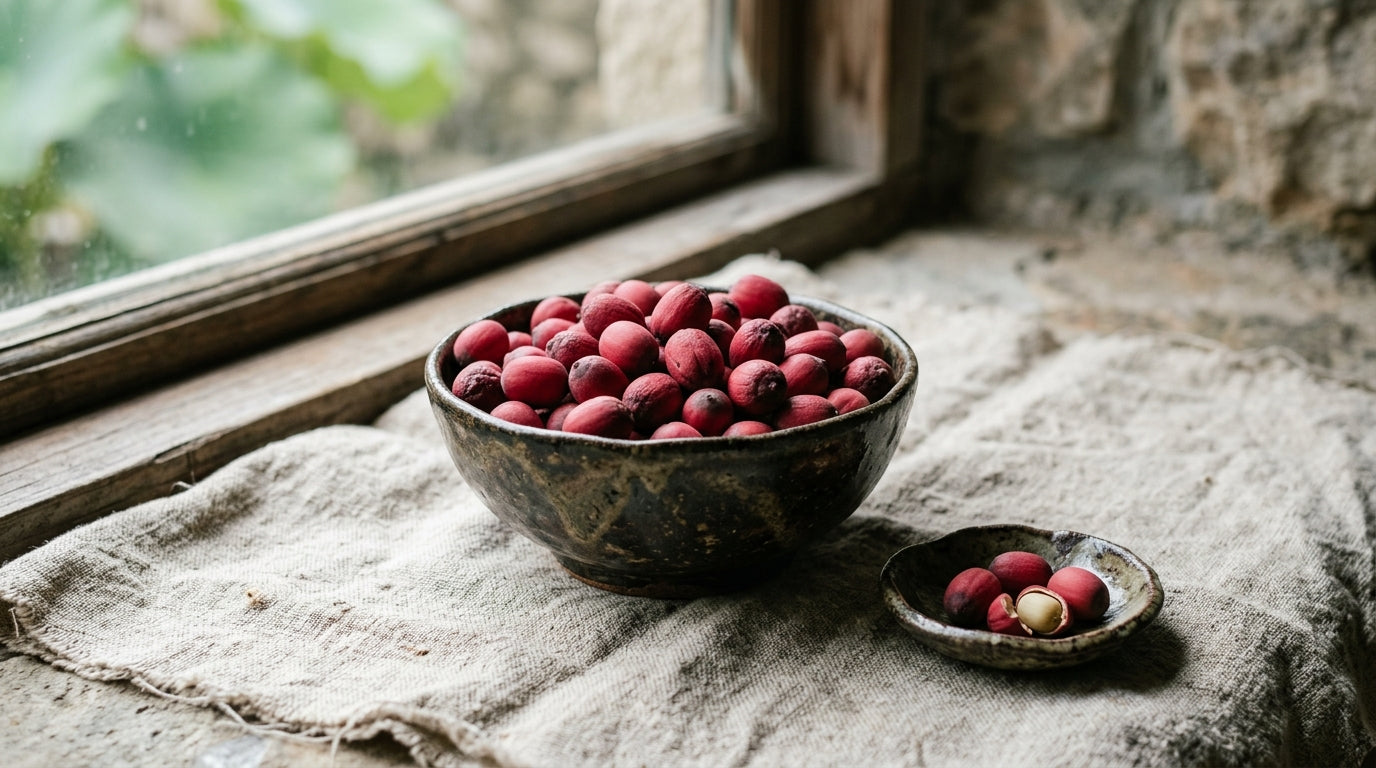
Currant tomato (Solanum pimpinellifolium) is a pea-sized wild ancestor of cultivated red tomatoes that delivers exceptionally concentrated lycopene (up to 40 µg/g fresh weight), β-carotene, quercetin, and ascorbic acid—bioactive compounds whose singlet-oxygen quenching capacity (~2 × 10⁹ M⁻¹s⁻¹) and NF-κB/Nrf2 pathway modulation underpin potent antioxidant and anti-inflammatory effects. Zhou et al. (2016, PMID 26978396) demonstrated that these dietary carotenoids prevent hepatocellular carcinoma by modulating Bax/Bcl-2 apoptotic ratios and upregulating phase II detoxification enzymes such as glutathione S-transferase, while Mandlik et al. (2021, PMID 33073617) confirmed that natural dietary products rich in lycopene suppress tumor proliferation via NF-κB inflammatory signaling inhibition.

Origin
Solanum pimpinellifolium, commonly known as the currant tomato, is a wild botanical species native to the coastal regions of Peru and Ecuador. It is considered a foundational ancestor in the domestication of modern cultivated tomatoes. This small, nutrient-dense fruit is valued for its robust genetic diversity and significant contributions to functional nutrition.
Potential benefits
- Reduces oxidative stress through a rich profile of antioxidants, including lycopene, beta-carotene, and flavonoids.
- Supports cardiovascular health by enhancing blood vessel function and helping to lower LDL cholesterol levels.
- Boosts immune function with high concentrations of Vitamin C and beta-carotene.
- Promotes digestive health by providing dietary fiber that supports gut motility and a balanced microbiome.
- Regulates blood pressure due to its significant potassium content, contributing to electrolyte balance.
- Enhances skin health and cellular protection through its potent antioxidant and vitamin profile.
- Contributes to metabolic balance and satiety as a low-calorie, nutrient-dense food.
How it works
Lycopene, the dominant carotenoid in currant tomatoes, achieves physiologically relevant plasma concentrations of 0.5–2 µM and directly quenches singlet oxygen (¹O₂) with a second-order rate constant of approximately 2 × 10⁹ M⁻¹s⁻¹, while scavenging peroxyl radicals (LOO•) to inhibit lipid peroxidation chain reactions in LDL particles and cellular membranes. At the transcriptional level, lycopene activates the Nrf2/ARE signaling axis, translocating Nrf2 to the nucleus where it upregulates phase II detoxification enzymes—glutathione S-transferase (GST), NAD(P)H:quinone oxidoreductase 1 (NQO1), and heme oxygenase-1 (HO-1)—thereby enhancing cellular antioxidant defense capacity (Zhou et al., 2016; PMID 26978396). Concurrently, lycopene and quercetin glycosides in currant tomatoes suppress NF-κB nuclear translocation by stabilizing IκBα, reducing transcription of pro-inflammatory cytokines (TNF-α, IL-6, IL-1β) and shifting the Bax/Bcl-2 ratio toward pro-apoptotic signaling in pre-neoplastic cells (Mandlik et al., 2021; PMID 33073617). The high ascorbic acid content (up to 60 mg/100 g in some S. pimpinellifolium accessions) synergistically regenerates oxidized α-tocopherol and recycles lycopenyl radicals, amplifying the overall antioxidant network and supporting endothelial nitric oxide synthase (eNOS) coupling for improved vascular function.
What the research says
Current evidence for currant tomato is limited to in vitro studies using isolated compounds rather than whole fruit extracts. Research has demonstrated lycopene and β-carotene effects in THP-1 and RAW 264.7 macrophage cell lines with specific dose responses, but no human clinical trials have been conducted. The anti-inflammatory and antioxidant effects observed in laboratory studies show promise, but clinical efficacy remains unproven. Evidence strength is considered preliminary due to the absence of human trials and reliance on cell culture models.
Safety and interactions
Currant tomatoes are generally recognized as safe when consumed as a whole food; however, their high lycopene content may interact with anticoagulant medications (e.g., warfarin) by modestly potentiating antiplatelet effects, so patients on blood thinners should consult their healthcare provider before consuming concentrated tomato extracts. Lycopene is a known inhibitor of cytochrome P450 3A4 (CYP3A4) at high supplemental doses (>30 mg/day), which could theoretically alter the metabolism of CYP3A4-substrate drugs including statins (atorvastatin, simvastatin), calcium channel blockers, and certain immunosuppressants. Individuals with known nightshade (Solanaceae) allergies or sensitivities may experience gastrointestinal discomfort, oral allergy syndrome, or contact dermatitis; the glycoalkaloid tomatine present in green tissues can cause nausea at high doses but is negligible in ripe currant tomato fruit. Pregnant and breastfeeding women can safely consume currant tomatoes as food, though high-dose lycopene supplements have not been adequately studied in these populations and should be avoided without medical guidance.
Frequently asked questions
What is a currant tomato and how is it different from regular tomatoes?
The currant tomato (Solanum pimpinellifolium) is a pea-sized wild species native to coastal Peru and Ecuador, considered the direct wild ancestor of all cultivated red tomatoes (Solanum lycopersicum). Unlike domesticated varieties, currant tomatoes retain significantly higher concentrations of lycopene (up to 40 µg/g fresh weight), vitamin C, and quercetin glycosides per gram, making them one of the most nutrient-dense tomato species. They grow in vigorous, indeterminate vines producing hundreds of tiny fruits in branching racemes.
What are the main health benefits of currant tomatoes?
Currant tomatoes deliver potent antioxidant protection through concentrated lycopene and β-carotene, which quench singlet oxygen and inhibit LDL oxidation to support cardiovascular health. Zhou et al. (2016, PMID 26978396) showed their carotenoids modulate Nrf2 detoxification pathways and suppress NF-κB inflammatory signaling, offering hepatoprotective and anticancer properties. Their high potassium content also supports blood pressure regulation, while dietary fiber promotes gut motility and microbiome balance.
Can currant tomatoes help prevent cancer?
Research indicates that the carotenoids and flavonoids concentrated in Solanum pimpinellifolium exhibit anticancer properties through multiple molecular mechanisms. Zhou et al. (2016, PMID 26978396) and Mandlik et al. (2021, PMID 33073617) demonstrated that lycopene-rich dietary products prevent hepatocellular carcinoma by modulating Bax/Bcl-2 apoptotic ratios and suppressing NF-κB-driven inflammatory signaling. Mohan et al. (2025, PMID 40264327) further confirmed that plant-derived phytomolecules including carotenoids offer multi-target hepatoprotective and anticancer effects.
How do you grow and use currant tomatoes?
Currant tomatoes are extremely vigorous, indeterminate plants that can reach 2–3 meters and produce prolific clusters of 10–30 pea-sized fruits per raceme throughout the growing season. They thrive in well-drained soil with full sun and are notably more disease-resistant than cultivated tomatoes due to retained wild-type resistance genes. Culinary uses include fresh eating as snacks or salad garnishes, roasting for concentrated sauces, dehydrating into intensely flavored dried tomatoes, and preserving in olive oil.
Are currant tomatoes good for blood sugar control?
Papakonstantinou et al. (2022, PMID 36141773) conducted a randomized clinical trial demonstrating that traditional Mediterranean meals incorporating tomato-based sauces and currant-containing foods significantly attenuated postprandial glycemic responses in healthy humans. The combination of dietary fiber, polyphenols (quercetin, kaempferol), and organic acids in currant tomatoes may slow gastric emptying and inhibit α-glucosidase activity, reducing the glycemic impact of meals. These findings support including currant tomatoes as part of a glucose-management dietary strategy.
Is currant tomato safe for people taking blood thinners or heart medications?
Currant tomatoes are generally safe for most people, but those taking anticoagulants like warfarin should maintain consistent intake since vitamin K content may affect medication efficacy. It's recommended to consult with a healthcare provider about portion consistency if you're on blood-thinning or cardiovascular medications. Currant tomatoes themselves are not contraindicated, but dietary consistency matters for medication effectiveness.
What is the most bioavailable form of currant tomato—fresh, cooked, or juice?
Cooked currant tomatoes have significantly higher bioavailability of lycopene compared to raw forms, as heat breaks down cell walls and makes this fat-soluble antioxidant more accessible for absorption. When consumed with dietary fat, the absorption of lycopene and beta-carotene is further enhanced, making cooked currant tomatoes with olive oil an optimal preparation method. Fresh currant tomatoes retain more vitamin C, but cooking improves the overall antioxidant absorption profile.
Who benefits most from regularly consuming currant tomatoes—specific populations or health conditions?
Individuals with cardiovascular risk factors, elevated cholesterol, or those seeking oxidative stress reduction benefit significantly from regular currant tomato consumption due to their lycopene and flavonoid content. People with compromised immune function or those at risk for age-related oxidative decline also show notable benefits from the high vitamin C and beta-carotene concentrations. Those with digestive sluggishness may benefit from the dietary fiber content supporting gut motility.
References
- https://www.ncbi.nlm.nih.gov/search/all/?term=Currant+Tomato
- https://fdc.nal.usda.gov/fdc-app.html#/search?query=Currant+Tomato
- https://www.sciencedirect.com/science/article/pii/S1756464618300567
- https://www.ncbi.nlm.nih.gov/pmc/articles/PMC7592584/
This article is educational and is not medical advice. Statements have not been evaluated by the FDA and are not intended to diagnose, treat, cure, or prevent any disease. Consult a healthcare professional before use.