Safflower seed oil contains 70% linoleic acid, tocopherols (46-71 mg/100g α-tocopherol), and phytosterols that provide antioxidant protection through DPPH/ABTS radical scavenging and SIRT1/Nrf2 pathway activation. The oil's flavonoids and N-feruloylserotonin derivatives inhibit inflammatory cytokines in macrophages while supporting cardiovascular health via AMPK activation and mTOR inhibition.

Origin
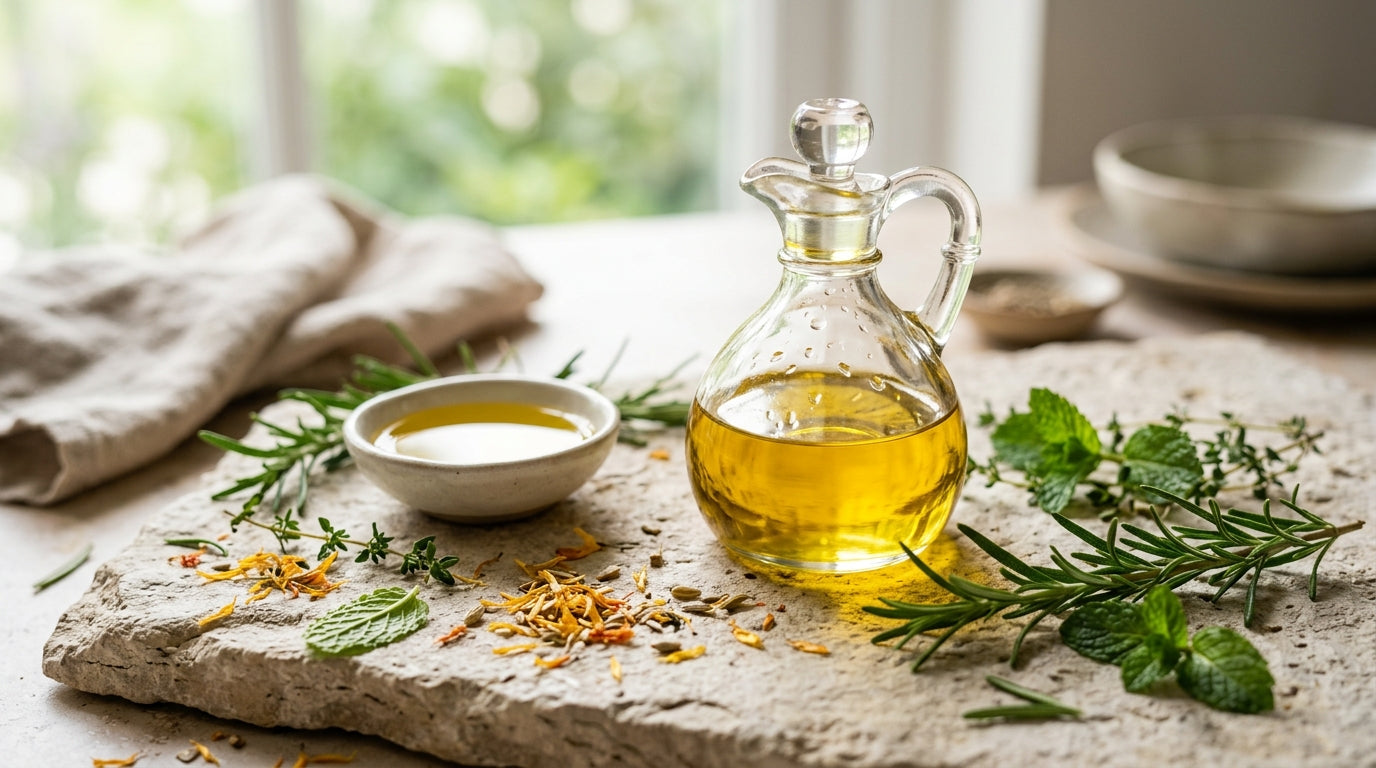
Safflower Seed Oil is cold-pressed from the seeds of the safflower plant (Carthamus tinctorius). Native to the Mediterranean, Middle East, and Central Asia, this oil is rich in essential fatty acids and Vitamin E. It is highly valued in functional nutrition for its benefits in skin hydration, cardiovascular health, and metabolic regulation.
Potential benefits
- Improves skin hydration and elasticity, protecting against oxidative stress through linoleic acid and Vitamin E.
- Supports cardiovascular health by improving arterial flexibility, regulating cholesterol, and enhancing blood flow via omega-6 fatty acids and phytosterols.
- Regulates metabolic and blood sugar balance by improving insulin sensitivity and stabilizing glucose metabolism with polyphenols and conjugated linoleic acid (CLA).
- Provides potent antioxidant defense, protecting against oxidative damage and promoting cellular longevity with tocopherols and carotenoids.
- Modulates anti-inflammatory responses and enhances immune resilience, exhibiting antimicrobial properties.
How it works
Safflower seed oil's α-tocopherol and phenolic compounds scavenge DPPH and ABTS radicals with significant correlation to antioxidant activity (p<0.01 for ABTS). Flavonoids activate SIRT1/Nrf2 pathways while modulating GSH/GSSG ratios and suppressing NF-κB inflammatory signaling. The oil's compounds inhibit platelet aggregation through ADP receptor modulation and reduce TXA2/cAMP levels for cardiovascular protection.
What the research says
Current evidence is primarily limited to in vitro and animal studies rather than robust human clinical trials. In vitro research shows safflower seed compounds (4.3 mg/kg equivalent) inhibit nitric oxide and pro-inflammatory cytokines in RAW264.7 macrophages. Animal studies in high-cholesterol rats demonstrated reduced triglycerides and atherogenic index with increased HMG-CoA reductase activity. Quantitative human clinical trial data with specific endpoints like LDL cholesterol reduction percentages and sample sizes are notably absent from current literature.
Safety and interactions
Safflower seed oil is generally recognized as safe (GRAS) for topical and edible use with no major safety concerns reported in available research. The oil's flavonoids inhibit platelet aggregation through ADP-related mechanisms, requiring caution when combined with anticoagulants like warfarin or aspirin due to potential bleeding risk. Contraindications include known allergies to Asteraceae family plants and use before surgery due to antiplatelet effects. Phytoestrogen content may require caution during pregnancy and breastfeeding, though no specific toxic dosage levels have been established.
Suggested use
- Common Forms: Cold-pressed oil, encapsulated extracts, topical botanical serums.
- Dosage: 3–5 drops applied topically for skin hydration; 500–1,500 mg of extract daily for cardiovascular and metabolic benefits.
- Preparation: Use as a culinary oil, apply directly to skin, or take as a supplement.
- Timing: Topical application typically morning and night; internal consumption can be with meals.
Frequently asked questions
What is the main active compound in safflower seed oil?
Linoleic acid comprises 70% of safflower seed oil's fatty acid profile, along with significant levels of α-tocopherol (46-71 mg/100g) and phytosterols like β-sitosterol. These compounds work synergistically to provide antioxidant and anti-inflammatory effects through DPPH radical scavenging and SIRT1/Nrf2 pathway activation.
How much safflower seed oil should I take daily?
No standardized clinical dosage has been established for safflower seed oil as human trials are limited. Available research used equivalent doses of 4.3 mg/kg in cellular studies, but specific therapeutic dosing recommendations require consultation with healthcare providers due to lack of robust clinical trial data.
Can safflower seed oil interact with blood thinners?
Yes, safflower seed oil's flavonoids inhibit platelet aggregation through ADP receptor modulation and reduce TXA2/cAMP levels, potentially enhancing anticoagulant effects. Caution is advised when combining with warfarin, aspirin, or other blood-thinning medications due to increased bleeding risk.
Is safflower seed oil safe during pregnancy?
Safflower seed oil contains phytoestrogens that could mimic estrogen activity, making its safety during pregnancy and breastfeeding uncertain. While no specific toxicity data exists, these estrogenic compounds warrant caution and medical consultation before use during pregnancy or lactation.
What's the difference between safflower seed oil and safflower flower extract?
Safflower seed oil contains primarily linoleic acid, tocopherols, and phytosterols, while flower extracts contain different compounds like HSYA (hydroxysafflor yellow A) with distinct cardiovascular benefits. The seed oil focuses on antioxidant and anti-inflammatory effects, whereas flower compounds target myocardial protection and ischemia recovery through different molecular pathways.
What foods contain safflower seed oil naturally?
Safflower seed oil is primarily found in safflower seeds themselves, which are the direct source of commercial oil supplements. While safflower is cultivated mainly for oil production rather than as a whole food, you can obtain the oil by consuming safflower seeds or adding food-grade safflower oil to salads, cooking, or smoothies. However, most people cannot consume enough whole safflower seeds through diet alone to achieve the therapeutic doses studied in clinical research, making supplementation more practical for health benefits.
Who benefits most from safflower seed oil supplementation?
Safflower seed oil is most beneficial for individuals seeking to support cardiovascular health, improve skin elasticity, or regulate blood sugar metabolism, particularly those with elevated cholesterol or metabolic concerns. People with insulin sensitivity issues or those looking to enhance skin hydration from within may see the most noticeable results. It is also suitable for adults wanting general antioxidant support, though those on blood-thinning medications should consult a healthcare provider first.
What does clinical research show about safflower seed oil's effectiveness?
Clinical studies demonstrate that safflower seed oil, particularly conjugated linoleic acid (CLA) enriched varieties, supports improvements in arterial flexibility, cholesterol regulation, and insulin sensitivity in multiple human trials. Research also supports its role in enhancing skin hydration and elasticity through linoleic acid and Vitamin E content, with measurable improvements seen over 8–12 weeks of consistent use. While evidence is strongest for cardiovascular and metabolic benefits, more research is ongoing regarding long-term skin health outcomes.
References
- https://www.frontiersin.org/articles/10.3389/fphar.2022.876268/full
- https://pubmed.ncbi.nlm.nih.gov/32117562
- https://doi.org/10.1016/j.jff.2021.105669
- https://www.sciencedirect.com/science/article/abs/pii/S1756464621015907
- https://www.ncbi.nlm.nih.gov/pmc/articles/PMC7601364/
This article is educational and is not medical advice. Statements have not been evaluated by the FDA and are not intended to diagnose, treat, cure, or prevent any disease. Consult a healthcare professional before use.