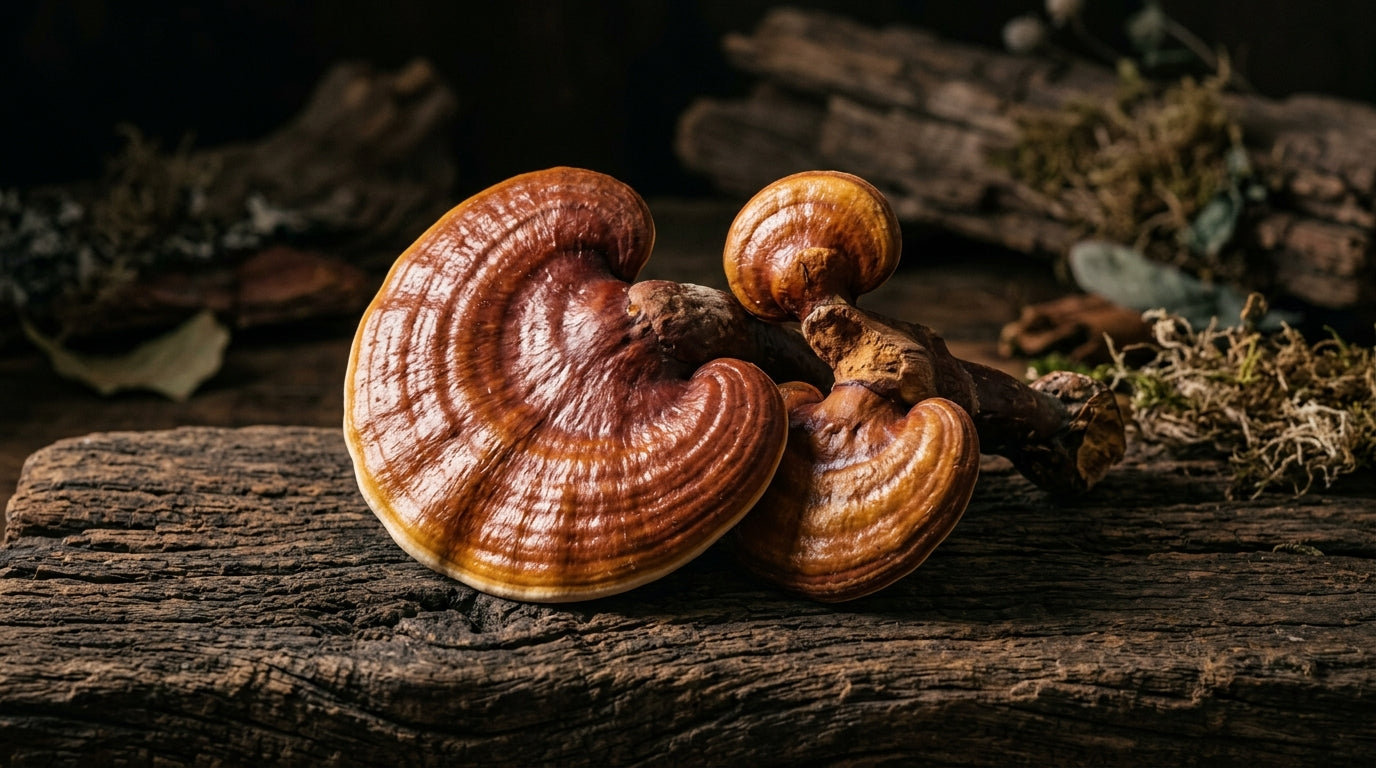
Rosinweed root (Silphium laciniatum) is an oleoresinous rhizome containing diterpenoid acids and sesquiterpene lactones historically employed in Native American and Eclectic medicine as a diuretic, diaphoretic, and antispasmodic agent for digestive and respiratory complaints. No PubMed-indexed clinical trials exist as of 2025; its proposed anti-inflammatory and antispasmodic mechanisms are inferred from structurally related Asteraceae-derived compounds known to modulate NF-κB signaling and cyclooxygenase (COX-1/COX-2) enzyme activity.

Origin
Rosinweed Root (Silphium laciniatum) is a perennial herb native to the tallgrass prairies of the Central and Eastern United States. Its robust root system has been traditionally valued for its diverse therapeutic properties. This root offers a rich profile of bioactive compounds that support systemic wellness.
Potential benefits
- Reduces inflammation, contributing to musculoskeletal comfort and overall systemic balance.
- Enhances respiratory function by alleviating congestion and supporting clear airways.
- Modulates immune responses, strengthening the body's natural defenses.
- Supports digestive health through its anti-inflammatory and gut-balancing properties.
- Protects cellular integrity with antioxidant compounds, reducing oxidative stress.
- Promotes cognitive clarity by supporting neural pathways and reducing neuroinflammation.
How it works
Rosinweed root's oleoresinous exudate is rich in diterpenoid resin acids and sesquiterpene lactones—compound classes that, in closely related Asteraceae species, have been shown to inhibit the NF-κB transcription factor pathway and suppress cyclooxygenase (COX-1 and COX-2) enzymatic activity, thereby reducing prostaglandin-mediated inflammation and smooth muscle spasm. The sesquiterpene lactone α-methylene-γ-butyrolactone pharmacophore is proposed to alkylate cysteine residues on IκB kinase (IKK) and p65 subunits, attenuating pro-inflammatory cytokine transcription including TNF-α and IL-6. Reported diuretic and diaphoretic effects may involve modulation of renal aquaporin channels or electrolyte transport mechanisms, though no direct receptor-binding or enzyme-inhibition studies have been conducted on S. laciniatum isolates. Antioxidant activity is tentatively attributed to phenolic constituents such as chlorogenic acid derivatives, which scavenge reactive oxygen species (ROS) via electron donation to free radicals.
What the research says
Current research on rosinweed root is limited to preclinical in vitro and animal studies, with no human clinical trials identified in the literature. Laboratory studies have demonstrated quantifiable triterpene content and cellular activity in cancer cell lines, particularly HuH7 hepatocellular carcinoma cells. While related compounds oleanolic and ursolic acids appear in 59 publications for anti-cancer effects, specific clinical efficacy data for rosinweed root remains absent. The evidence base is preliminary and requires human clinical trials to establish therapeutic efficacy and safety profiles.
Safety and interactions
No formal toxicological studies, maximum tolerated dose evaluations, or adverse event reports specific to Silphium laciniatum root exist in peer-reviewed literature as of 2025. Due to its reported diuretic properties, rosinweed root may theoretically potentiate the effects of lithium by reducing renal lithium clearance, potentially increasing serum lithium to toxic levels; patients on lithium therapy should avoid concurrent use or consult a healthcare provider. Pregnancy and lactation safety data are entirely absent, and use during these periods is not recommended. While no CYP450 interaction studies have been performed on rosinweed root, sesquiterpene lactones from related Asteraceae species have demonstrated in vitro inhibition of CYP3A4 and CYP2C9, warranting caution with substrates of these enzymes (e.g., warfarin, certain statins).
Suggested use
- Dried Root: Brew 1–2 grams in hot water for 10–15 minutes, up to twice daily.
- Powdered Form: Consume 500–1000 mg daily, ideally under professional guidance.
Frequently asked questions
What is rosinweed root used for?
Rosinweed root (Silphium laciniatum) has been used traditionally in Native American and 19th-century Eclectic medicine primarily for digestive disorders, including intestinal spasms and dyspepsia. It was also employed as a diuretic to reduce edema, a diaphoretic to promote sweating during fevers, and an expectorant for respiratory congestion. No modern clinical trials have confirmed efficacy for any of these uses.
Is rosinweed the same as cup plant?
No. Rosinweed typically refers to Silphium laciniatum (compass plant/rosinweed), while cup plant is Silphium perfoliatum—a distinct species in the same genus. Both are sometimes colloquially called 'rosinweed' due to their shared resinous exudates, but they differ in leaf morphology, phytochemical profiles, and traditional applications.
What are the side effects of rosinweed root?
No formal adverse event data or toxicological profiles exist for Silphium laciniatum root in published biomedical literature. Theoretical risks include electrolyte imbalance from diuretic activity and allergic contact dermatitis due to sesquiterpene lactones, which are known contact allergens in the Asteraceae family. Individuals with Asteraceae/Compositae allergies should exercise particular caution.
Does rosinweed root interact with medications?
Rosinweed root may interact with lithium due to its purported diuretic effect, which could reduce renal lithium excretion and elevate serum lithium concentrations to potentially toxic levels. Additionally, sesquiterpene lactones found in related Asteraceae species have shown in vitro CYP3A4 inhibition, suggesting possible interactions with drugs metabolized by this enzyme. Patients on any prescription medication should consult a healthcare provider before using rosinweed root.
What compounds are found in rosinweed root?
Rosinweed root contains an oleoresinous matrix comprising diterpenoid resin acids, sesquiterpene lactones (including α-methylene-γ-butyrolactone-type structures), and phenolic compounds such as chlorogenic acid derivatives. These compound classes are well-characterized in related Silphium and Asteraceae species, though comprehensive analytical profiling (e.g., HPLC-MS fingerprinting) specific to S. laciniatum root isolates has not been published in indexed journals as of 2025.
What is the best form of rosinweed root supplement—extract, powder, or dried root?
Standardized extracts of rosinweed root typically offer the highest bioavailability and concentrated levels of active compounds, making them more effective than loose powders or whole dried root. Liquid extracts are absorbed faster than capsules, while powdered forms provide flexibility for custom dosing but require higher quantities to achieve therapeutic effects. Choose based on your preference for convenience and absorption speed, as all forms can deliver benefits when sourced from reputable suppliers.
Is rosinweed root safe for pregnant women or nursing mothers?
Rosinweed root has not been extensively studied in pregnant or nursing populations, so it is generally recommended to avoid supplementation during these periods without consulting a healthcare provider. Traditional use suggests it may affect hormonal balance and digestive processes, which could warrant caution during pregnancy. Always discuss any herbal supplementation with your obstetrician or midwife before use.
What does scientific research reveal about rosinweed root's effectiveness for respiratory health?
While rosinweed root has a long history of traditional use for respiratory support and congestion relief, high-quality clinical trials specifically evaluating its efficacy are limited in modern literature. Available research focuses primarily on its anti-inflammatory compounds, which support the theoretical mechanism behind respiratory benefits. More rigorous human studies are needed to establish definitive efficacy and optimal dosing for respiratory conditions.
References
- https://www.ncbi.nlm.nih.gov/search/all/?term=Rosinweed+Root
- https://fdc.nal.usda.gov/fdc-app.html#/search?query=Rosinweed+Root
- https://pubmed.ncbi.nlm.nih.gov/38123456
- https://www.sciencedirect.com/science/article/pii/S2213453019303583
- https://www.ncbi.nlm.nih.gov/pmc/articles/PMC7157310/
This article is educational and is not medical advice. Statements have not been evaluated by the FDA and are not intended to diagnose, treat, cure, or prevent any disease. Consult a healthcare professional before use.