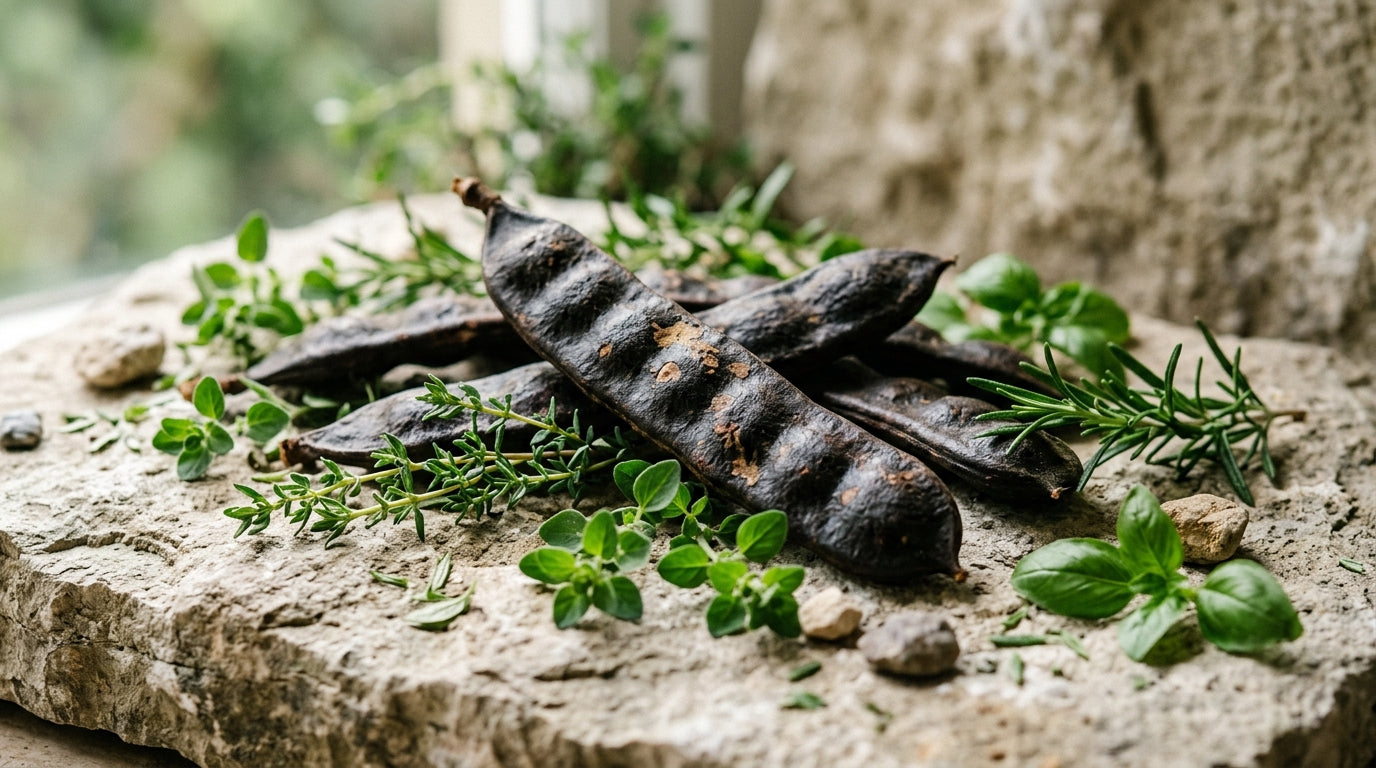
Devil's claw root contains harpagoside, an iridoid glycoside that inhibits inflammatory mediators like TNF-alpha and interleukin-6. This mechanism makes it particularly effective for reducing joint pain and arthritis-related inflammation.

Origin
Native to the arid regions of Southern Africa, particularly Namibia, Botswana, and South Africa Devil's Claw Root is sourced from plants native to diverse terrains, from Asian highlands to South American valleys. Root preparations have been central to traditional medicine systems including Ayurveda, Traditional Chinese Medicine, and indigenous healing practices for thousands of years.
Potential benefits
Supports joint health and mobility through potent anti-inflammatory properties of iridoid glycosides like harpagoside; reduces pain and stiffness associated with arthritis; aids digestive wellness by stimulating gastric juices and relieving bloating; combats oxidative stress with phenolic compounds and flavonoids supporting immune resilience and cellular health; supports liver detoxification enhancing metabolic health; offers mild analgesic effects benefiting muscle recovery and back pain; provides adaptogenic benefits for stress management and vitality enhancement
How it works
Harpagoside and other iridoid glycosides in devil's claw inhibit cyclooxygenase-2 (COX-2) and lipoxygenase enzymes, reducing prostaglandin E2 production. These compounds also suppress nuclear factor-kappa B (NF-κB) activation, decreasing inflammatory cytokines like TNF-alpha and IL-6. The bitter compounds stimulate gastric acid secretion through vagal nerve pathways, enhancing digestive function.
What the research says
Multiple randomized controlled trials involving 200-300 participants show devil's claw extracts standardized to 50-100mg harpagoside daily reduce osteoarthritis pain by 25-40% compared to placebo. A 4-month study of 227 patients found 2,610mg daily as effective as 12.5mg diclofenac for low back pain. However, most studies are relatively short-term (8-16 weeks) and larger long-term trials are needed. Evidence for digestive benefits relies primarily on traditional use and small preliminary studies.
Safety and interactions
Devil's claw is generally well-tolerated but can cause mild gastrointestinal upset, diarrhea, or allergic reactions in sensitive individuals. It may enhance anticoagulant effects of warfarin and increase bleeding risk when combined with blood-thinning medications. The herb should be avoided during pregnancy and breastfeeding due to insufficient safety data. People with gallstones or peptic ulcers should use caution as it stimulates gastric acid production.
Suggested use
Traditionally prepared as decoctions or infusions by San and Khoi communities for arthritis, back pain, and digestive disorders; used in spiritual healing practices to enhance endurance and vitality; adopted by European herbalists for rheumatic disease management; modern uses include extracts in joint health supplements, pain-relief formulations, digestive wellness products, and topical applications for muscle recovery; recommended dosage: 600–1200 mg standardized extract daily (1.5–3% harpagoside) or 1–2 grams dried root simmered in water up to twice daily
Frequently asked questions
How much harpagoside should I take for joint pain?
Clinical studies typically use devil's claw extracts standardized to 50-100mg harpagoside daily, equivalent to 2,000-2,600mg of whole root extract. Most benefits for osteoarthritis appear after 8-12 weeks of consistent use.
Can devil's claw replace NSAIDs for arthritis?
Some studies show devil's claw as effective as low-dose NSAIDs for osteoarthritis pain, but it works more slowly, taking 2-8 weeks for full effects. Consult your doctor before replacing prescription anti-inflammatory medications.
Does devil's claw interact with blood pressure medications?
Devil's claw may theoretically enhance blood pressure-lowering effects of antihypertensive drugs, though clinical interactions are not well-documented. Monitor blood pressure closely and inform your healthcare provider if taking both.
Is devil's claw safe for long-term use?
Most clinical trials lasted 8-16 weeks, so long-term safety data beyond 4 months is limited. Generally well-tolerated short-term, but extended use should be monitored by a healthcare professional.
Can I take devil's claw on an empty stomach?
Devil's claw stimulates gastric acid production and may cause stomach irritation when taken without food. Taking it with meals can reduce digestive discomfort while maintaining effectiveness.
References
This article is educational and is not medical advice. Statements have not been evaluated by the FDA and are not intended to diagnose, treat, cure, or prevent any disease. Consult a healthcare professional before use.