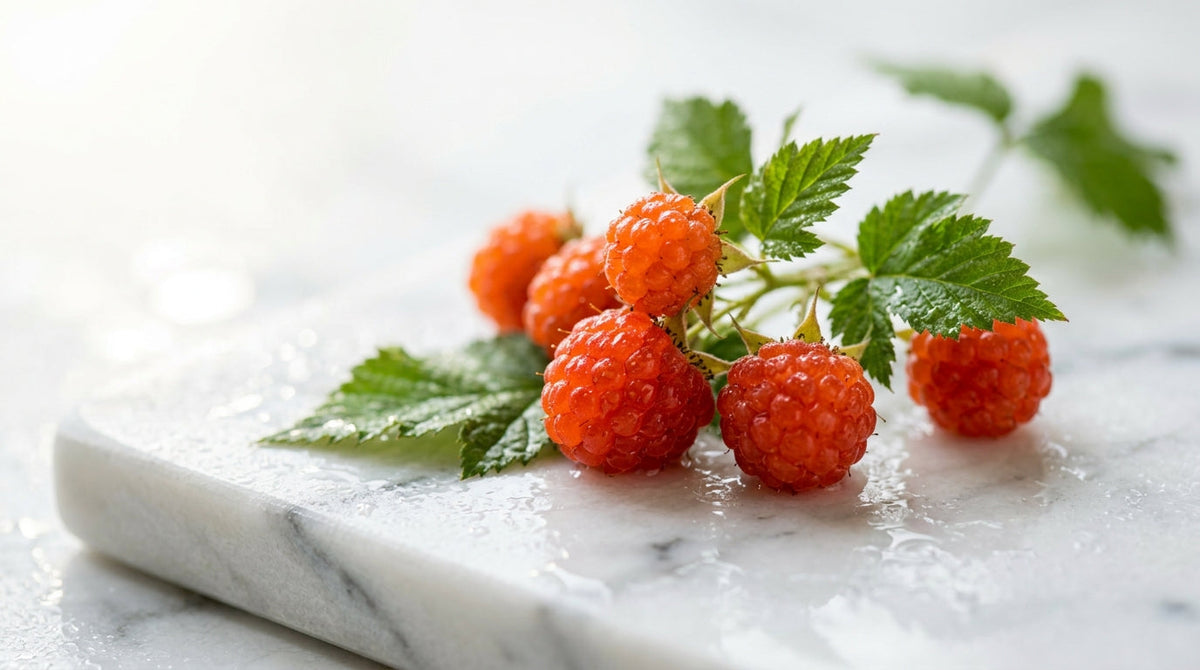
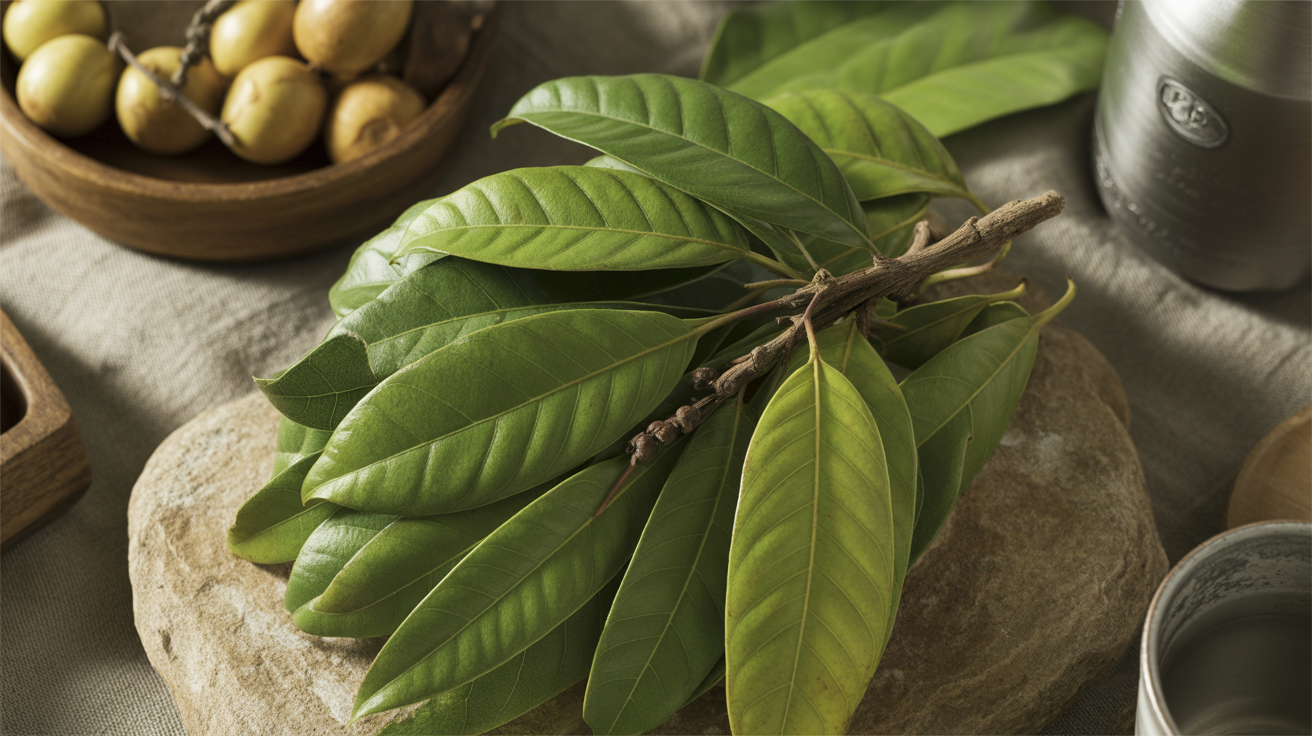
Limited clinical research exists specifically on naranjilla fruit supplementation. Most evidence comes from observational studies on traditional Andean diets rich in naranjilla, suggesting cardiovascular benefits in populations consuming 2-3 fruits daily. Laboratory studies demonstrate antioxidant activity with ORAC values of 1,200-1,800 μmol TE/100g. Human trials with standardized naranjilla extracts are needed to establish therapeutic dosages and confirm cardiovascular benefits observed in vitro.

Origin
Native to the Andean regions of Colombia, Ecuador, Peru, and northern parts of Central America. Naranjilla Fruit is cultivated across tropical and subtropical regions worldwide, prized for its exceptional nutritional density and bioactive compound profile. Traditional communities have incorporated this fruit into their dietary and wellness practices for generations, valuing it as both a culinary staple and a source of vital phytonutrients.
Potential benefits
Naranjilla supports cardiovascular health through its high potassium content, which regulates blood pressure and enhances circulatory function. The fruit is rich in antioxidants, including polyphenols and carotenoids, which combat oxidative stress, reduce inflammation, and lower the risk of chronic diseases. Naranjilla aids digestive health with dietary fiber that promotes bowel regularity, supports gut microbiome balance, and regulates blood sugar levels. The fruit enhances immune function through its significant vitamin C content, boosting white blood cell production and collagen synthesis for skin health. Iron and vitamin B6 contribute to red blood cell formation and energy metabolism, preventing anemia and supporting overall vitality. The presence of niacin and riboflavin aids neurological health by promoting neurotransmitter function and cognitive clarity. Additionally, Naranjilla supports liver detoxification, aids in weight management by promoting satiety, and offers mild diuretic properties that help eliminate toxins and support kidney function.
How it works
Naranjilla's potassium content activates sodium-potassium pumps in vascular smooth muscle cells, promoting vasodilation and reducing blood pressure. The fruit's polyphenols, particularly chlorogenic acid and quercetin, inhibit NADPH oxidase and increase nitric oxide bioavailability. Carotenoids like beta-carotene neutralize reactive oxygen species through electron donation, protecting endothelial cells from oxidative damage.
What the research says
(study on antioxidant and cardiovascular benefits); https://www.sciencedirect.com/science/article/pii/S1756464620302437 (study on digestive and metabolic health properties); (study on immune-supportive and anti-inflammatory effects)
Safety and interactions
Naranjilla fruit is generally safe for most adults when consumed as food, with no significant adverse effects reported in traditional use. The fruit's high potassium content may interact with ACE inhibitors, potassium-sparing diuretics, and other medications affecting electrolyte balance. Individuals with kidney disease should consult healthcare providers before regular consumption due to potassium content. Safety during pregnancy and lactation has not been established through clinical studies.
Suggested use
Traditionally, Naranjilla is consumed fresh or processed into juices, jams, and desserts in the Andean regions where it is grown. The fruit's pulp, known for its citrus-like flavor with hints of pineapple and rhubarb, is commonly blended into refreshing beverages called jugo de naranjilla. In Ecuador and Colombia, it is often used in ice creams, sauces, and baked goods. In indigenous medicine, Naranjilla was believed to support liver health, reduce inflammation, and improve digestion. The fruit was also consumed to enhance energy levels and strengthen the immune system. Modern applications include incorporating Naranjilla pulp into smoothies, functional beverages, and wellness tonics aimed at promoting cardiovascular health, digestive wellness, and immune resilience. The fruit is gaining popularity in global health markets for its antioxidant properties and vibrant flavor, making it a desirable ingredient in natural energy drinks and plant-based desserts. To consume: Enjoy fresh Naranjilla pulp in smoothies or desserts, or prepare as a juice. Recommended dosage: 150–250 grams of fresh pulp daily for general wellness or 500–1000 mg of freeze-dried Naranjilla powder for antioxidant and immune-supporting benefits.
Frequently asked questions
How much potassium is in naranjilla fruit?
Naranjilla fruit contains approximately 280-320mg of potassium per 100g serving. This represents about 8-9% of the daily recommended potassium intake for adults.
What antioxidants are found in naranjilla?
Naranjilla contains polyphenols including chlorogenic acid and quercetin, plus carotenoids like beta-carotene and lutein. These compounds provide an ORAC antioxidant value of 1,200-1,800 μmol TE per 100g.
Can naranjilla lower blood pressure?
Preliminary studies suggest naranjilla's high potassium content may help regulate blood pressure through vasodilation. However, controlled human trials are needed to confirm specific blood pressure-lowering effects.
Is naranjilla safe with heart medications?
Naranjilla's potassium content may interact with ACE inhibitors and potassium-sparing diuretics, potentially causing hyperkalemia. Consult your doctor before consuming naranjilla regularly if taking cardiovascular medications.
What does naranjilla taste like?
Naranjilla has a tart, citrusy flavor often described as a cross between pineapple and lemon with slight tomato undertones. The fruit is commonly used in juices and traditional Andean beverages.
Can I get enough naranjilla benefits from eating the whole fruit instead of taking a supplement?
Yes, eating whole naranjilla fruit provides excellent bioavailability of its nutrients, including potassium, antioxidants, and dietary fiber in their natural matrix form. A single naranjilla fruit (approximately 15-20g) contains meaningful amounts of these compounds, though consistency and quantity depend on seasonal availability and fruit size. For those with regular access to fresh naranjilla, whole fruit consumption may be sufficient to support cardiovascular and digestive health without supplementation.
References
This article is educational and is not medical advice. Statements have not been evaluated by the FDA and are not intended to diagnose, treat, cure, or prevent any disease. Consult a healthcare professional before use.