Nutritional analyses have confirmed Beach Plum's rich content of vitamins A and C, dietary fiber, and various phenolic compounds, underscoring its potential health benefits. In vitro studies have demonstrated significant antioxidant activity of Beach Plum extracts, attributable to its high concentration of anthocyanins and other phenolic acids. While traditional use and nutritional composition support its health-promoting qualities, extensive human clinical trials specifically evaluating the therapeutic efficacy of Beach Plum for specific health conditions are currently limited.

Origin
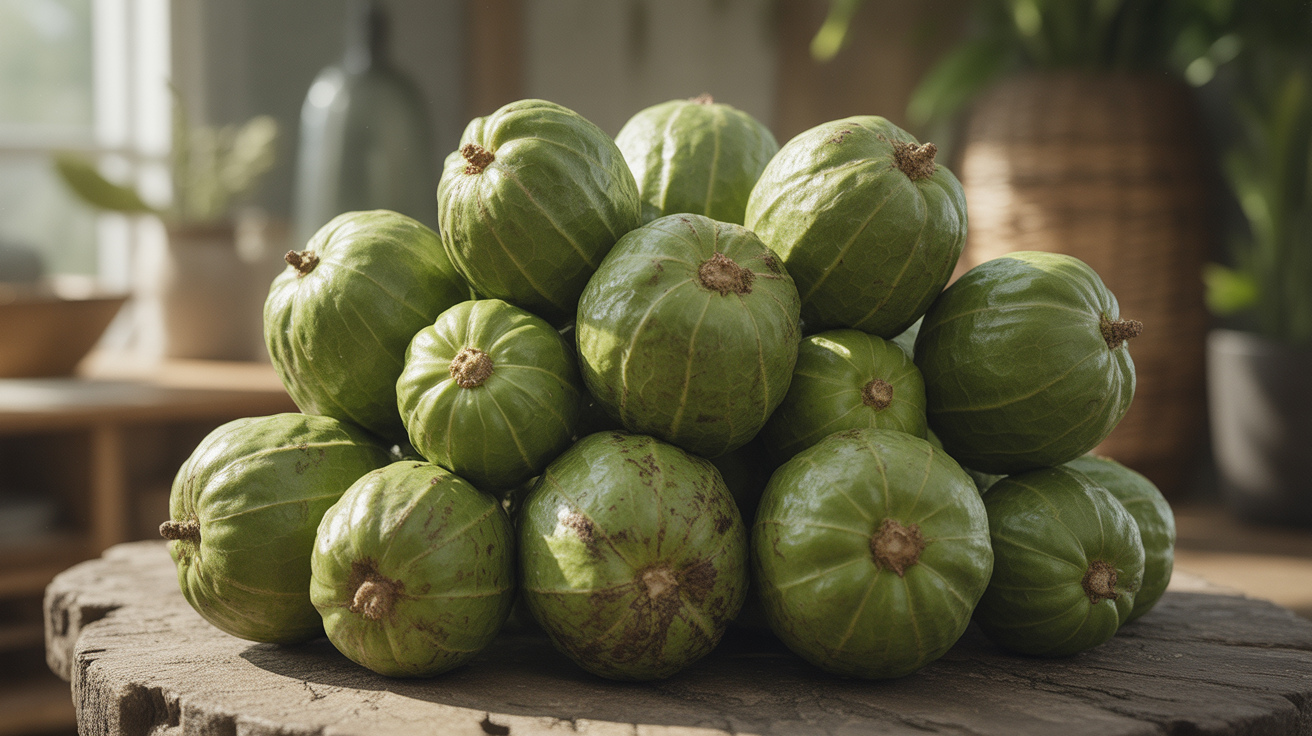
Beach Plum is a fruit native to the Mid-Atlantic coastal region of the United States, ranging from Virginia to Nova Scotia. It thrives in sandy soils and coastal dunes, demonstrating resilience in harsh environments. This fruit is valued for its antioxidant-rich profile and traditional uses in supporting health.
Potential benefits
- Enhances immune defense through its rich content of vitamins A and C.
- Promotes digestive wellness due to its significant dietary fiber content.
- Reduces oxidative stress through antioxidant activity from phenolic compounds, including anthocyanins.
- Supports electrolyte balance and cardiovascular health via its potassium content.
- Alleviates gastrointestinal discomfort, as traditionally used by coastal communities.
How it works
Beach Plum's health benefits are primarily attributed to its diverse phenolic compounds, including neochlorogenic acid, chlorogenic acid, quercetin, and anthocyanins, alongside high levels of Vitamin C. These compounds exert antioxidant activity by directly scavenging reactive oxygen species (e.g., DPPH radicals), thereby protecting cellular structures, including brain lipids, from oxidative damage. Furthermore, these phenolics and flavonoids may modulate cellular signaling pathways involved in inflammation and metabolism, potentially contributing to anti-inflammatory and metabolic regulatory effects.
What the research says
Nutritional research supports Beach Plum's vitamin and fiber content, alongside documented phenolic antioxidant activity. Studies from institutions like Rutgers University and the University of Maryland Extension emphasize its health-promoting qualities and culinary versatility. While specific clinical trials are limited, the evidence for its nutritional components is well-established.
Safety and interactions
As a widely consumed fruit, Beach Plum is generally considered safe when eaten in typical food amounts. However, individuals with known allergies to other Prunus species (e.g., plums, cherries) should exercise caution due to potential cross-reactivity. There is a lack of specific scientific data regarding potential drug interactions or contraindications. Pregnant or breastfeeding individuals should consult a healthcare professional before consuming Beach Plum in concentrated forms, as specific safety data for these populations is insufficient.
Suggested use
- Commonly consumed fresh or transformed into preserves, jams, jellies, sauces, desserts, and beverages.
- Wild-harvested fruit should be washed thoroughly before use.
- Dosage: Consume in moderate quantities as part of a balanced diet; no specific standardized dosage.
Frequently asked questions
What are the primary health benefits of Beach Plum?
Beach Plum enhances immune defense through its rich content of vitamins A and C, promotes digestive wellness due to its significant dietary fiber, and reduces oxidative stress through potent antioxidant activity from phenolic compounds like anthocyanins and chlorogenic acids. It also supports electrolyte balance.
What key bioactive compounds are found in Beach Plum?
Beach Plum is rich in Vitamin C, chlorogenic acids (including neochlorogenic acid), quercetin, anthocyanins, and catechins. It also contains carotenoids like cryptoxanthin, zeaxanthin, and lutein, all contributing to its health properties.
How does Beach Plum support immune health?
Beach Plum supports immune health primarily through its high content of Vitamin C, a powerful antioxidant essential for immune cell function and collagen synthesis. Additionally, its various phenolic compounds contribute to overall cellular protection, further bolstering the body's defense mechanisms.
Is Beach Plum beneficial for digestive health?
Yes, Beach Plum is beneficial for digestive health due to its significant dietary fiber content. Fiber aids in promoting regular bowel movements, preventing constipation, and supporting a healthy gut microbiome, which is crucial for overall digestive wellness.
Where does Beach Plum originate from?
Beach Plum is a fruit native to the Mid-Atlantic coastal region of the United States. Its natural range extends from Virginia northward to Nova Scotia, thriving in sandy soils near the coast.
Is Beach Plum safe during pregnancy and breastfeeding?
Beach Plum is generally recognized as safe for consumption during pregnancy and breastfeeding due to its natural fruit origin and nutrient profile rich in vitamins and fiber. However, pregnant and nursing women should consult their healthcare provider before adding any new supplement to ensure it aligns with their individual health needs. Whole Beach Plum fruit in culinary amounts is considered safe, though supplement doses should be discussed with a medical professional.
References
This article is educational and is not medical advice. Statements have not been evaluated by the FDA and are not intended to diagnose, treat, cure, or prevent any disease. Consult a healthcare professional before use.