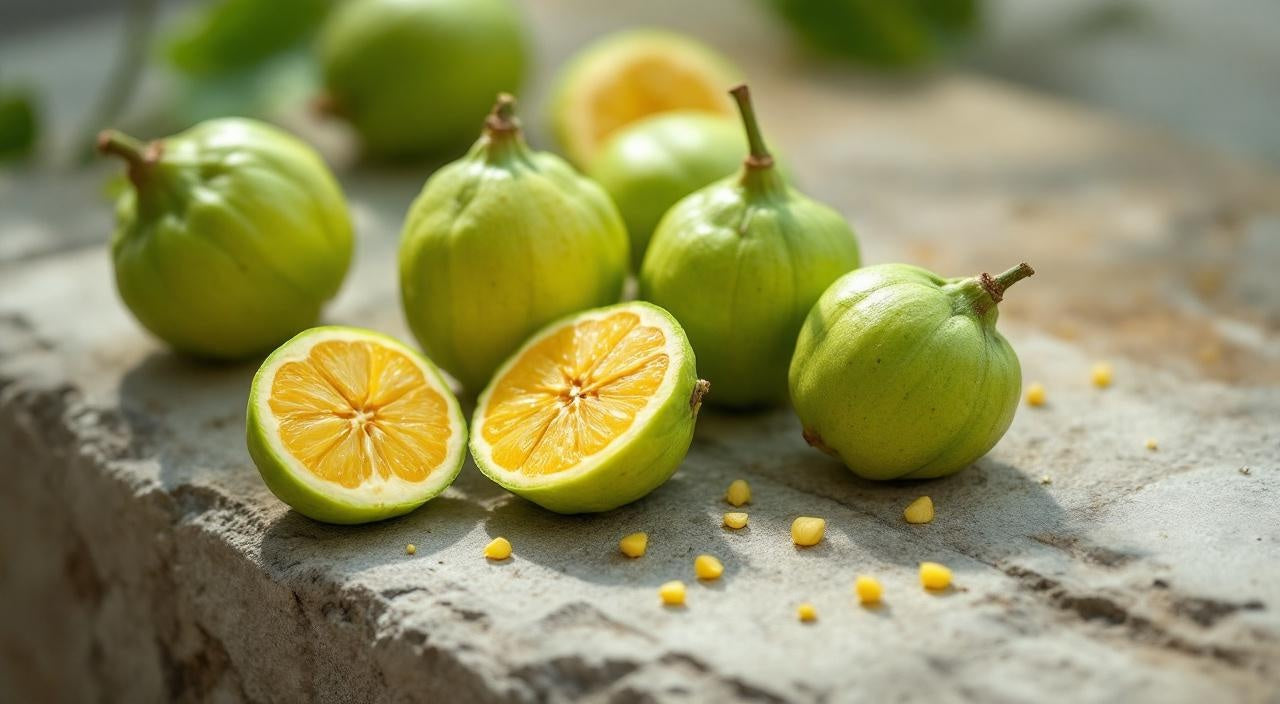
Current clinical evidence for kawakawa is extremely limited, with only preliminary human metabolism studies (PMID: 38389156) confirming bioavailability of key compounds like myristicin and piperine. No randomized controlled trials have evaluated therapeutic efficacy in humans. Traditional use evidence from Māori practices spans centuries but lacks quantified outcomes or standardized preparations. Further clinical research is needed to validate traditional therapeutic claims.

Origin
Kawakawa (Piper excelsum) is a shrub native to New Zealand, traditionally used by Māori people, with leaves serving as the primary source for medicinal extracts. Extracts are commonly prepared via methanol extraction (80% methanol washes, centrifugation at 5000×g) or aqueous methods mimicking tea preparation, yielding phenylpropanoids, lignans, flavonoids, alkaloids, and amides.
Potential benefits
• Traditional therapeutic use by Māori people (traditional evidence only) • Contains bioavailable compounds including myristicin, piperine, and flavonoids confirmed through human metabolism studies (PMID: 38389156 - preliminary evidence) • Phenylpropanoid and alkaloid content similar to other medicinal plants (analytical evidence only) • Phase 1 and 2 metabolism patterns suggest general tolerability (preliminary metabolic evidence) • No clinical therapeutic benefits established in human trials
How it works
Kawakawa's primary bioactive compounds include myristicin, which may modulate hepatic phase II detoxification enzymes, and piperine, which can inhibit cytochrome P450 enzymes and enhance bioavailability of other compounds. The flavonoid content may contribute to antioxidant activity through free radical scavenging pathways. Phenylpropanoid compounds likely interact with inflammatory mediators, though specific receptor binding data is limited.
What the research says
No human clinical trials, RCTs, or meta-analyses evaluating therapeutic outcomes have been conducted. One study (PMID: 38389156) examined human metabolism and excretion of kawakawa leaf compounds after consumption, confirming bioavailability but not assessing clinical endpoints or efficacy.
Safety and interactions
Safety data for kawakawa supplementation is minimal, with no established adverse effect profile in clinical literature. The piperine content may theoretically enhance absorption of medications by inhibiting cytochrome P450 enzymes, potentially altering drug metabolism. Myristicin in high concentrations has shown hepatotoxic potential in animal studies, though relevance to typical kawakawa use is unclear. Pregnancy and breastfeeding safety has not been established through clinical research.
Suggested use
No clinically studied dosage ranges are available as human therapeutic trials have not been conducted. Traditional preparation involves aqueous extraction (tea) or concentrated extracts, but therapeutic doses have not been established. Consult a healthcare provider before starting any new supplement.
Frequently asked questions
What is kawakawa used for in traditional Māori medicine?
Kawakawa has been traditionally used by Māori people for various therapeutic purposes, though specific applications vary by region and preparation method. The leaves contain bioactive compounds including myristicin and piperine that have been confirmed in human metabolism studies.
How much kawakawa should I take daily?
No standardized dosage for kawakawa supplements has been established through clinical research. Traditional preparations vary widely in concentration and bioactive content, making dosage recommendations difficult without proper standardization studies.
Does kawakawa interact with prescription medications?
Kawakawa contains piperine, which may inhibit cytochrome P450 enzymes responsible for drug metabolism. This could theoretically alter the effectiveness or side effects of medications, though specific drug interactions have not been clinically documented.
What are the active compounds in kawakawa?
Kawakawa contains several bioactive compounds including myristicin, piperine, and various flavonoids, as confirmed through human metabolism studies. These phenylpropanoid and alkaloid compounds are similar to those found in other medicinal Piper species.
Is kawakawa safe for long-term use?
Long-term safety data for kawakawa supplementation is not available from clinical studies. While traditional use suggests general tolerability, the myristicin content may pose hepatotoxic risks in high concentrations, though relevance to typical use remains unclear.
Is kawakawa safe during pregnancy and breastfeeding?
There is insufficient clinical evidence to establish the safety of kawakawa supplementation during pregnancy and breastfeeding. Due to the presence of alkaloids and phenylpropanoids in kawakawa, pregnant and nursing individuals should consult a healthcare provider before use. Traditional Māori use does not constitute modern safety data for these vulnerable populations.
References
This article is educational and is not medical advice. Statements have not been evaluated by the FDA and are not intended to diagnose, treat, cure, or prevent any disease. Consult a healthcare professional before use.