No clinical trials have been conducted on Garcinia afzelii in any form or for any indication. The totality of published biomedical evidence consists of one in vitro phytochemical characterization study from 2010, which isolated and structurally identified ten seed compounds and noted cytotoxic activity without quantifying effect magnitude or identifying mechanistic pathways. Traditional use as a chewing stick in Côte d'Ivoire represents an ethnobotanical data point but has not been evaluated in structured clinical or epidemiological studies. Confidence in any therapeutic or health claim for G. afzelii is therefore very low, and all potential benefits remain hypothetical pending preclinical dose-response studies and eventual human trials.

Origin
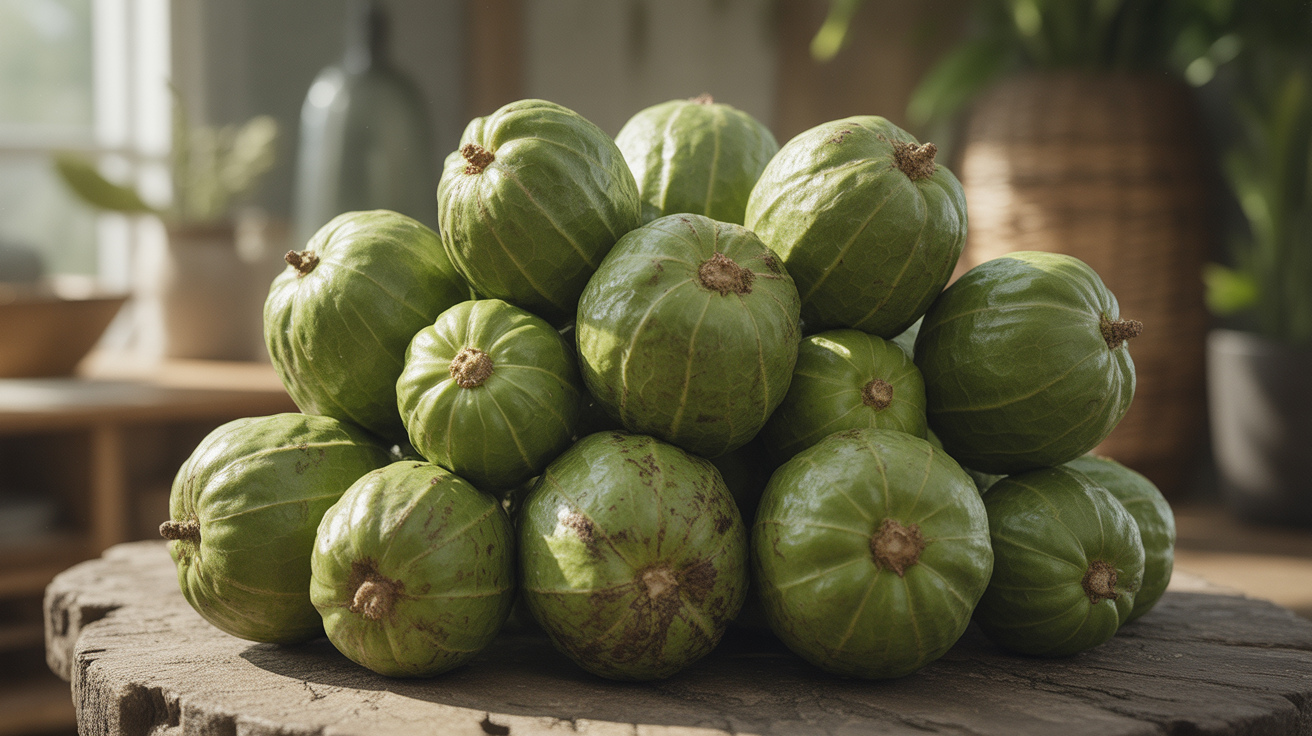
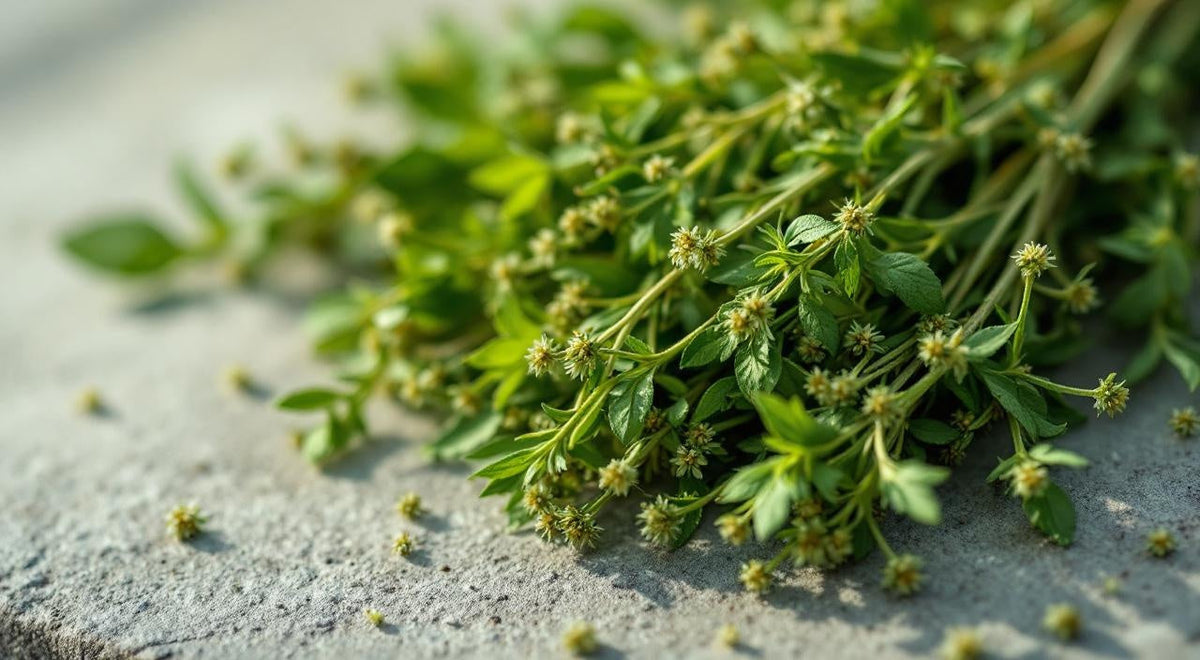
Garcinia afzelii is a tree species native to West and Central Africa, found predominantly in countries including Côte d'Ivoire, Sierra Leone, Ghana, Nigeria, and Cameroon, typically growing in humid tropical forest zones and forest margins. The species belongs to the Clusiaceae (Guttiferae) family, a large genus of over 400 species distributed across tropical regions. Like many African Garcinia species, it grows as a medium to large canopy tree in lowland and secondary forests, where its bark, seeds, and stems are accessed by local communities.
Potential benefits
- Dental Hygiene (Traditional Chewing Stick): The stems and branches of Garcinia afzelii are used as chewing sticks in Côte d'Ivoire, a practice that mechanically removes dental plaque and may deliver antimicrobial phytochemicals including xanthones to oral tissues, supporting gum and tooth health.
- Potential Cytotoxic Activity: Isolated seed compounds, particularly guttiferone O and isoxanthochymol, exhibited high cytotoxic activity against cancer cell lines in vitro, suggesting a potential basis for antiproliferative applications, though this remains entirely preclinical.
- Antioxidant Potential: Xanthones and benzophenones characteristic of the Garcinia genus, including those found in G. afzelii such as 1,5-dihydroxyxanthone and 1,3,5-trihydroxyxanthone, are structurally capable of free radical scavenging, a mechanism well-characterized in related species but not yet quantified specifically for this species.
- Anti-inflammatory Properties (Genus-Level Evidence): Benzophenone derivatives like guttiferone E, isolated from G. afzelii seeds, belong to a compound class demonstrated in related Garcinia species to modulate inflammatory pathways, potentially through inhibition of pro-inflammatory enzymes, though this is not yet confirmed in G. afzelii-specific studies.
- Oral Antimicrobial Properties: The traditional use of Garcinia afzelii as a chewing stick in West African oral hygiene practice is consistent with genus-wide evidence that Garcinia phytochemicals, including polyphenols and xanthones, inhibit oral pathogens such as Streptococcus mutans, though direct microbiological studies on this species are absent.
- Phytochemical Richness as a Research Candidate: The seed extract of G. afzelii yielded ten distinct bioactive compounds in a single isolation study, including novel xanthones not previously reported in nature, indicating a chemically diverse profile warranting further pharmacological investigation.
How it works
The cytotoxic activity observed in G. afzelii seed isolates is attributed to xanthones and benzophenones, compound classes known across the Garcinia genus to interfere with tumor cell proliferation, though specific molecular targets in G. afzelii have not been elucidated. In related Garcinia species, xanthones such as alpha-mangostin modulate apoptotic pathways by activating caspase-3 and caspase-9 and downregulating Bcl-2 anti-apoptotic proteins, mechanisms plausibly shared by structurally analogous compounds like smeathxanthone A and cheffouxanthone isolated from G. afzelii. Guttiferone-class benzophenones, represented in G. afzelii by guttiferone O and guttiferone E, have been shown in related species to inhibit cell cycle progression and interact with mitochondrial membranes, contributing to cytotoxicity. The polyphenolic xanthone scaffold also confers antioxidant capacity through electron donation and metal chelation, mechanisms that may indirectly support anti-inflammatory and cytoprotective effects, though these pathways remain unconfirmed specifically for G. afzelii compounds.
What the research says
The published scientific literature on Garcinia afzelii is extremely limited, with the primary phytochemical evidence deriving from a single 2010 in vitro isolation study that identified ten xanthone and benzophenone compounds from seed extracts and reported high cytotoxic activity against cancer cell lines, without specifying cell line identities, IC50 values, or experimental replication details. No clinical trials, randomized controlled studies, or human observational data have been published for this species. Broader Garcinia genus research provides indirect context: related species such as G. mangostana have been evaluated in small human trials (n=20–60) for antioxidant and anti-inflammatory outcomes, but these findings cannot be extrapolated to G. afzelii without species-specific validation. The evidence base for G. afzelii is therefore rated as preliminary, representing an early-stage research candidate with unconfirmed pharmacological relevance in humans.
Safety and interactions
No human safety data, adverse event reports, or toxicological studies have been published for Garcinia afzelii, making it impossible to define a safe dose range or characterize a clinical side effect profile. The in vitro cytotoxic activity of seed isolates, while of potential pharmacological interest, also raises a theoretical concern about cellular toxicity at high concentrations, and this has not been investigated in animal or human models. As with other Garcinia species, seeds and extracts likely contain anti-nutritional factors including tannins, saponins, and oxalates that may impair mineral absorption or cause gastrointestinal irritation at elevated intakes; tannin-rich extracts may also interact with iron absorption and protein digestibility. No drug interaction data exist; however, given that benzophenone and xanthone compound classes in related species have shown cytochrome P450 modulation activity, caution is theoretically warranted with concurrent pharmaceutical use, particularly cytotoxic drugs, anticoagulants, or immunosuppressants. Use during pregnancy and lactation is not supported by any safety evidence and is best avoided until data are available.
Suggested use
- Traditional Chewing Stick: Fresh or dried stem segments approximately 15–20 cm in length are chewed at one end to fray fibers, then used to mechanically clean teeth and gums; no standardized preparation protocol exists.
- Research Solvent Extracts: Seed compounds have been isolated using N-hexane fractionation for benzophenones (e.g., guttiferone O) and ethyl acetate fractionation for xanthones in laboratory settings; these are not available as consumer products.
- No Established Supplement Form: Garcinia afzelii is not commercially available as a standardized extract, capsule, tablet, or tincture; no effective dose ranges have been established in clinical studies.
- Standardization: No standardization percentages for any bioactive marker compound have been established or proposed for this species.
- Timing and Dosage Notes: In the absence of clinical data, no guidance on timing, frequency, or therapeutic dosage can be responsibly provided; use beyond the traditional chewing stick application is not supported by evidence.
Frequently asked questions
What is Garcinia afzelii used for traditionally?
Garcinia afzelii is traditionally used as a chewing stick for dental hygiene in Côte d'Ivoire, West Africa, where woody stem segments are chewed to clean teeth and gums. This practice is part of a widespread sub-Saharan African oral care tradition and may deliver bioactive xanthone and polyphenol compounds from the plant's tissues directly to the oral cavity, though clinical evidence confirming antimicrobial or anti-caries efficacy for this species specifically does not yet exist.
What bioactive compounds are found in Garcinia afzelii seeds?
A 2010 phytochemical study identified ten compounds from Garcinia afzelii seeds, including two novel molecules—guttiferone O and 3-methoxycheffouxanthone—and eight previously known compounds: smeathxanthone A and B, cheffouxanthone, 1,5-dihydroxyxanthone, 1,6-dihydroxy-5-methoxyxanthone, 1,3,5-trihydroxyxanthone, 2-hydroxy-1,7-dimethoxyxanthone, isoxanthochymol, and guttiferone E. These belong to the xanthone and benzophenone structural classes, which are characteristic of the Garcinia genus and associated with cytotoxic and antioxidant properties in related species.
Does Garcinia afzelii have anticancer properties?
In vitro laboratory studies reported high cytotoxic activity for isolated seed compounds of Garcinia afzelii against cancer cell lines, consistent with the known pharmacological profile of xanthones and benzophenones found across the Garcinia genus. However, no animal studies, dose-response data, IC50 values, or human clinical trials have been conducted, meaning any anticancer application in humans is entirely unproven and speculative at this stage of research.
Is Garcinia afzelii safe to use?
No human safety studies, toxicological assessments, or clinical adverse event data have been published for Garcinia afzelii. The in vitro cytotoxic activity of its seed compounds raises theoretical safety concerns at high exposure levels, and the presence of anti-nutritional factors such as tannins, saponins, and oxalates—typical of the Garcinia genus—may pose risks to mineral absorption and gastrointestinal health at elevated intakes. Traditional use as a chewing stick is a low-exposure application and is unlikely to carry significant risk, but oral supplementation or high-dose use cannot be considered safe without further research.
How does Garcinia afzelii differ from Garcinia mangostana?
Garcinia mangostana (mangosteen) is the most extensively researched species in the genus, with multiple human clinical trials evaluating its xanthone-rich pericarp for anti-inflammatory, antioxidant, and metabolic effects, and it is widely available as a commercial dietary supplement. Garcinia afzelii, by contrast, has been studied only in a single in vitro phytochemical characterization, shares some xanthone compound classes with G. mangostana but contains distinct novel compounds like guttiferone O, and has no established supplement form, dosage, or clinical evidence base; its primary documented use remains the traditional chewing stick application in West Africa.
Can Garcinia afzelii chewing sticks be used as an alternative to traditional toothbrushes?
Garcinia afzelii stems have been traditionally used as natural chewing sticks in West African countries like Côte d'Ivoire for mechanical plaque removal and antimicrobial benefits. While they deliver bioactive xanthones directly to oral tissues and may support gum health, they should complement rather than replace modern dental hygiene practices like toothbrushes and floss. The mechanical cleaning action is less consistent than standardized toothbrushes, and professional dental care remains essential for optimal oral health.
References
- https://pubmed.ncbi.nlm.nih.gov/?term=garcinia+afzelii+garcinia+afzelii+engl
- https://pubmed.ncbi.nlm.nih.gov/16595943
This article is educational and is not medical advice. Statements have not been evaluated by the FDA and are not intended to diagnose, treat, cure, or prevent any disease. Consult a healthcare professional before use.