No human clinical trials exist for Elephant Ear Leaf; evidence comes from in vitro and animal studies only. Alocasia macrorrhiza aqueous extract showed IC₅₀ of 414 μg/mL for hepatoma cell proliferation inhibition in laboratory studies. In DEN-induced hepatocellular carcinoma rats, Alocasia gigantea extract significantly reduced ALT/AST levels and TNF-α expression (p < 0.0001) compared to controls. The dwarf elephant ear aqueous fraction demonstrated cytotoxic potential with brine shrimp lethality LC₅₀ of 1.36 μg/mL, indicating need for safety evaluation.

Origin
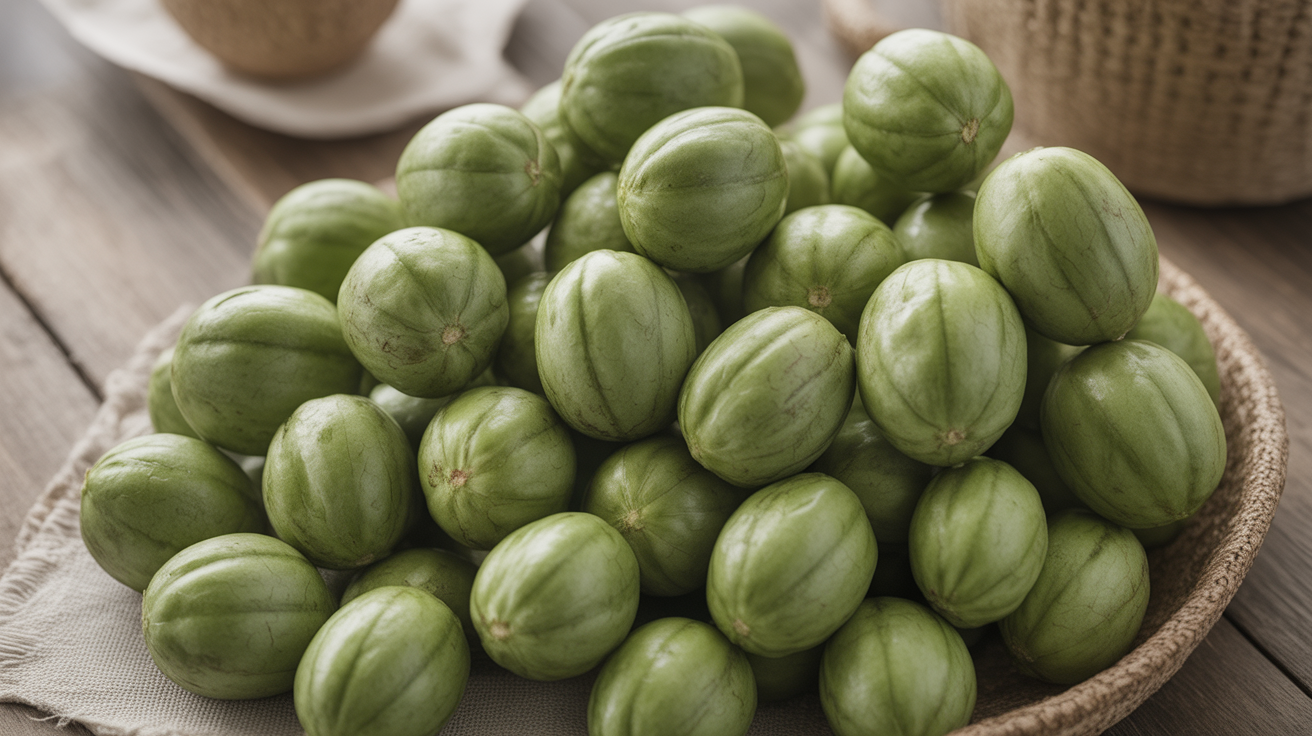
Elephant Ear Leaf, scientifically known as Colocasia esculenta, is a tropical plant native to the wetlands and lowland forests of Southeast Asia, South Asia, and the Pacific Islands. It is cultivated globally in warm, humid climates for its starchy corms and nutrient-rich leaves, which are valued in functional nutrition for their soothing and protective properties when properly prepared.
Potential benefits
- Supports digestive comfort: and elimination by providing mucilage, which soothes the gastrointestinal tract.
- Promotes skin healing: and inflammation relief through topical application, leveraging its anti-inflammatory compounds.
- Assists in fluid: balance and mild diuresis, contributing to healthy kidney function.
- Contributes to gut: mucosal protection, forming a protective barrier against irritants.
- Aids in detoxification: processes, supporting the body's natural cleansing mechanisms.
How it works
Quercetin, chlorogenic acid, and vitexin in Elephant Ear Leaf inhibit enzymes like DHFR and KAS while modulating TNF-α inflammatory pathways through molecular docking interactions. The galloyl-HHDP-glucose and pentacyclic triterpenol methyl esters provide antioxidant effects by scavenging reactive oxygen species. In hepatocellular carcinoma models, the DefMeOH-E fraction reduces tumor marker expression and prevents liver enzyme leakage.
What the research says
Research on Colocasia esculenta supports its traditional uses, highlighting the presence of beneficial compounds like mucilage and flavonoids. Studies investigate its potential for digestive comfort, skin healing, and anti-inflammatory effects, often focusing on the nutritional and medicinal properties of its cooked forms.
Safety and interactions
Elephant Ear Leaves are toxic due to oxalic acid content, causing mouth and throat swelling that can lead to airway blockage if ingested. Raw consumption or large amounts should be strictly avoided, with mild cases resolving in days but severe ingestion requiring prolonged recovery. Cytotoxicity studies show LC₅₀ of 1.36 μg/mL in brine shrimp assays, indicating significant toxicity concerns. No specific drug interactions are documented, but immediate rinsing is required for contact with mouth, eyes, or skin, and pregnant women should avoid use entirely.
Suggested use
- Traditional Culinary: Leaves must be boiled or steamed thoroughly to neutralize oxalates; then used in soups, wraps, or as a cooked vegetable.
- Modern Applications: Processed powder (dried and cooked) for gut-soothing decoctions or skin compresses.
- Dosage: ½–1 cup cooked leaf or 1–2 g/day of dried and processed powder.
- Contraindication: Not for raw consumption due to high oxalate content.
Frequently asked questions
What are the main active compounds in Elephant Ear Leaf?
The primary bioactive compounds include quercetin, chlorogenic acid (m/z 355.27), vitexin (m/z 433.28), kaempferol 3-(p-coumaroylglucosyl), and galloyl-HHDP-glucose. These compounds were identified through mass spectrometry analysis and demonstrate antioxidant, anti-inflammatory, and potential anticancer properties.
Is Elephant Ear Leaf safe to consume or use topically?
Elephant Ear Leaves are toxic due to oxalic acid content and should not be consumed raw or in large amounts as they can cause mouth/throat swelling and airway blockage. Topical contact should be avoided as it can cause skin irritation, requiring immediate rinsing if contact occurs. Cytotoxicity studies show significant toxicity potential with LC₅₀ values of 1.36 μg/mL.
What does research show about Elephant Ear Leaf for cancer treatment?
In vitro studies show Alocasia macrorrhiza extract inhibited hepatoma cell proliferation with IC₅₀ of 414 μg/mL and induced apoptosis. Animal studies using DEN-induced hepatocellular carcinoma rats demonstrated significant reduction in liver enzymes and tumor markers (p < 0.0001). However, no human clinical trials exist to confirm these potential anticancer effects.
How strong is the antioxidant activity of Elephant Ear Leaf?
The dwarf elephant ear aqueous fraction shows antioxidant activity with IC₅₀ of 29.4 μg/mL in laboratory assays. This antioxidant effect is attributed to compounds like quercetin, chlorogenic acid, and vitexin that scavenge reactive oxygen species. The activity appears moderate compared to established antioxidant compounds.
What's the difference between Alocasia and Colocasia elephant ear plants?
Alocasia species (like A. gigantea, A. macrorrhiza) are the focus of recent medicinal research and contain the bioactive compounds quercetin and chlorogenic acid. Colocasia esculenta is traditionally used for digestive support through mucilage content and is generally considered safer when properly prepared. Both belong to the Araceae family but have different chemical profiles and safety considerations.
How does Elephant Ear Leaf compare to other mucilage-rich herbs for digestive soothing?
Elephant Ear Leaf contains similar mucilage compounds to slippery elm and marshmallow root, making it effective for soothing gastrointestinal irritation. However, Elephant Ear Leaf is less commonly used in Western herbalism, so there is more established clinical data supporting slippery elm and marshmallow. The mucilage content in Elephant Ear Leaf may be particularly beneficial for those seeking plant-based alternatives from traditional tropical medicine systems.
References
- https://www.ncbi.nlm.nih.gov/search/all/?term=Elephant+Ear+Leaf
- https://fdc.nal.usda.gov/fdc-app.html#/search?query=Elephant+Ear+Leaf
- https://www.ncbi.nlm.nih.gov/pmc/articles/PMC8163081
- https://www.sciencedirect.com/science/article/pii/S0963996920303776
This article is educational and is not medical advice. Statements have not been evaluated by the FDA and are not intended to diagnose, treat, cure, or prevent any disease. Consult a healthcare professional before use.