Beetroot greens contain high concentrations of nitrates, betalains, and folate that support cardiovascular health through nitric oxide production and antioxidant activity. These nutrient-dense leaves provide more vitamins A, C, and K per gram than many common leafy greens.

Origin
Native to the Mediterranean region, now cultivated worldwide, Beetroot Greens are the leafy tops of the beetroot plant, known for their vibrant green color and nutrient-rich profile. These greens are packed with vitamins, minerals, and antioxidants, making them an excellent addition to a healthy diet. They are especially valued for their high content of nitrates, which can support heart health, and their ability to improve blood pressure and overall vitality.
Potential benefits
Beetroot Greens (Beta vulgaris) (Native to the Mediterranean region) offers distinctive health-supporting properties. - Vitamins A, C, K: Support immune health, skin vitality, and vision.
- B Vitamins: Aid in energy production and metabolism.
- Iron: Essential for oxygen transport and energy production.
- Calcium: Important for bone health and muscle function.
- Magnesium: Supports muscle function and energy metabolism.
- Potassium: Vital for heart health and fluid balance.
- Antioxidants (Beta-carotene, Lutein, Zeaxanthin): Help neutralize free radicals, promoting cellular health and reducing oxidative stress. Rich in natural bioactives that support the body's defense and repair mechanisms.
How it works
Beetroot greens contain dietary nitrates that convert to nitric oxide via the nitrate-nitrite-NO pathway, promoting vasodilation and improved blood flow. Betalain pigments like betanin and isobetanin activate the Nrf2 antioxidant pathway, reducing oxidative stress. High folate content supports DNA synthesis and homocysteine metabolism through the one-carbon cycle.
What the research says
Limited direct research exists on beetroot greens specifically, with most studies focusing on beetroot juice or whole beetroot. Small observational studies suggest leafy greens high in nitrates may reduce blood pressure by 3-5 mmHg. The betalain content appears lower than in beetroot flesh, but vitamin K concentrations are significantly higher. More targeted clinical trials are needed to establish specific therapeutic dosages and outcomes.
Safety and interactions
Beetroot greens are generally safe for most adults when consumed as food. High vitamin K content may interact with warfarin and other anticoagulant medications, requiring consistent intake patterns. Oxalate content may contribute to kidney stone formation in susceptible individuals. Pregnant and breastfeeding women can safely consume beetroot greens as part of a balanced diet, though concentrated supplements lack safety data.
Suggested use
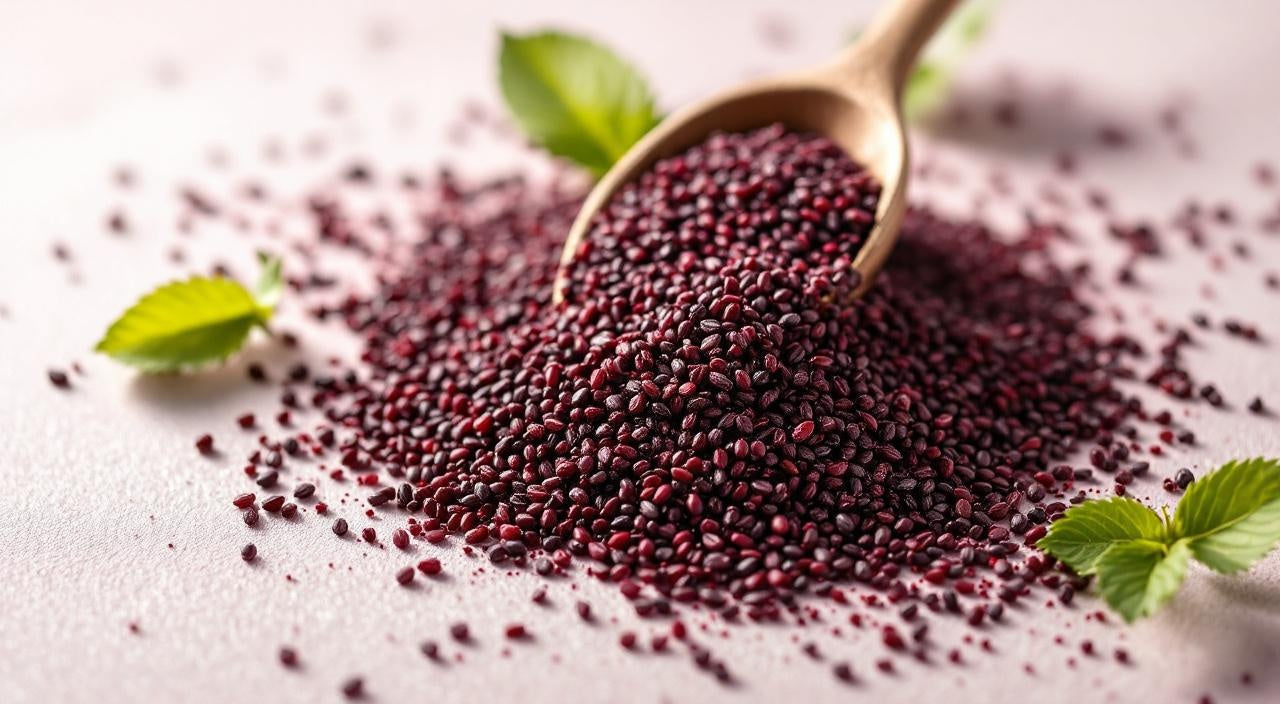
Recommended Dosage: Tea: Steep 1-2 teaspoons of dried leaves in hot water for 5-10 minutes, drink 2-3 cups daily. Powder: Mix 1-2 teaspoons (2-5g) into smoothies or beverages. Fresh: Add to salads, soups, or cooking.
Traditional Use & Preparation: - Beetroot Greens can be sautéed with garlic and olive oil, added raw to salads, or incorporated into soups and stews. They can also be blended into smoothies for a nutritional boost.
General Guidance: Start with a lower dose and increase gradually. Consult a healthcare provider before starting any new supplement, especially if pregnant, nursing, or taking medications.
Frequently asked questions
How much vitamin K is in beetroot greens?
Beetroot greens contain approximately 400-500 mcg of vitamin K per 100g serving, providing over 300% of the daily recommended value. This makes them one of the richest dietary sources of vitamin K1 (phylloquinone).
Can you eat beetroot greens raw?
Yes, young beetroot greens can be eaten raw in salads or smoothies, providing maximum vitamin C content. Older leaves may be tough and bitter, so light cooking or massaging with salt can improve palatability and digestibility.
Do beetroot greens have the same nitrates as beetroot?
Beetroot greens contain nitrates but typically at lower concentrations than the root, ranging from 100-300mg per 100g compared to 250-400mg in beetroot flesh. The greens offer additional nutrients like vitamin A and folate not found in high amounts in the root.
What do beetroot greens taste like?
Beetroot greens have a mild, slightly earthy flavor similar to Swiss chard with subtle beet undertones. Young leaves are tender and sweet, while mature leaves develop a more pronounced mineral taste and tougher texture.
How should beetroot greens be stored?
Fresh beetroot greens should be stored in the refrigerator wrapped in damp paper towels inside a plastic bag for up to 3-5 days. Remove them from beetroot bulbs immediately after purchase to prevent moisture loss and maintain optimal vitamin content.
Is beetroot greens safe to consume if I'm taking blood thinners like warfarin?
Beetroot greens are very high in vitamin K, which can interfere with blood thinner medications like warfarin by reducing their effectiveness. If you take anticoagulants, consult your healthcare provider before significantly increasing beetroot greens consumption, as consistent intake is more important than avoiding it entirely. Your doctor may adjust medication dosing if you maintain a stable intake of vitamin K-rich foods.
Are beetroot greens safe for children and pregnant women?
Beetroot greens are generally safe for both children and pregnant women as a whole food, providing valuable nutrients like folate, iron, and calcium that support fetal development and child growth. However, pregnant women should be cautious about oxalate content in large quantities, as excessive oxalates may interfere with mineral absorption. Always prepare them hygienically and introduce them gradually to children, and consult with a healthcare provider regarding appropriate portions during pregnancy.
How does the nutritional profile of beetroot greens compare to spinach?
Both beetroot greens and spinach are nutrient-dense leafy vegetables, but beetroot greens contain higher levels of vitamin K and unique betalain antioxidants, while spinach is often noted for higher bioavailable iron content. Beetroot greens have a slightly lower oxalate content than spinach, making them potentially easier to digest for some individuals. Including both in your diet provides complementary nutrient profiles and a wider range of phytonutrients.
References
This article is educational and is not medical advice. Statements have not been evaluated by the FDA and are not intended to diagnose, treat, cure, or prevent any disease. Consult a healthcare professional before use.