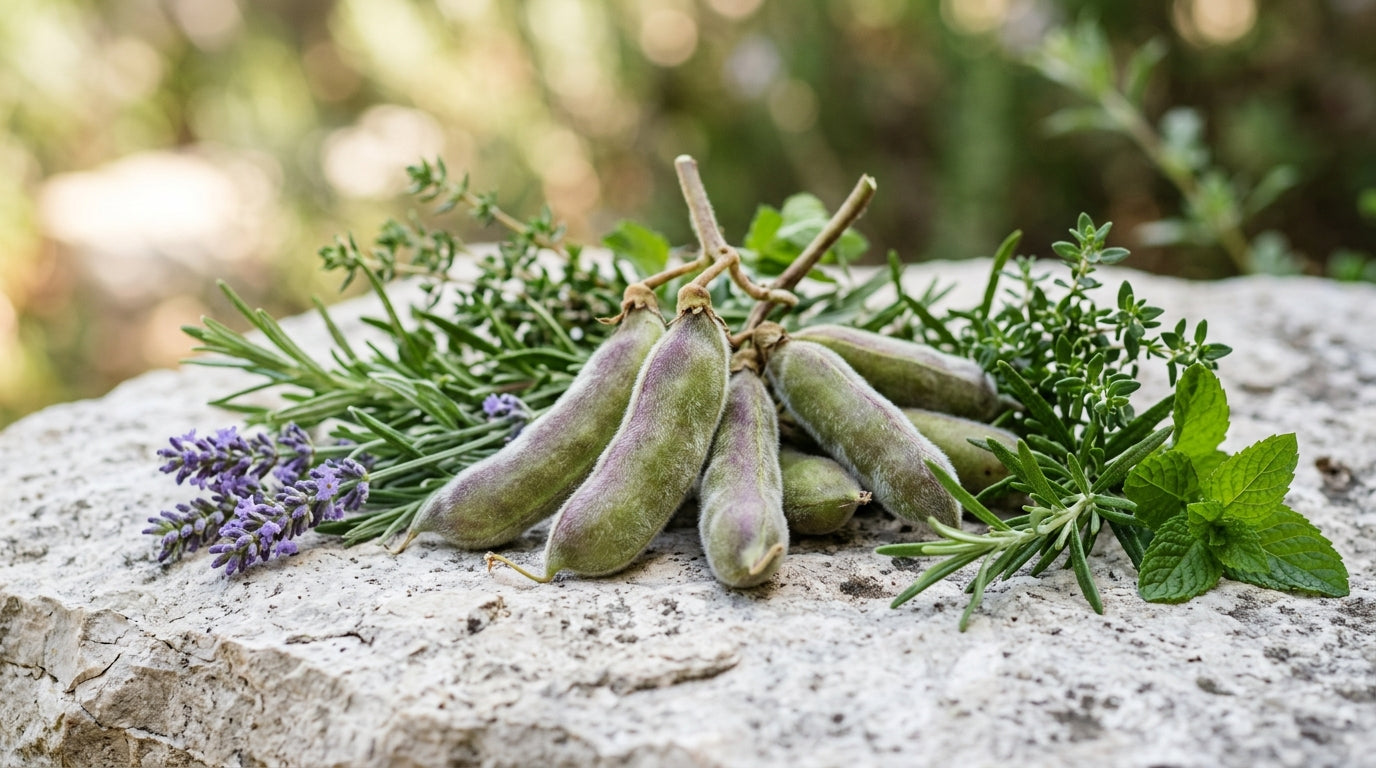
White horehound leaf contains marrubiin, a labdane diterpene that stimulates bronchial chloride ion secretion via calcium-dependent chloride channels for expectorant effects while inhibiting the NF-κB inflammatory pathway and TNF-alpha cytokine production, complemented by polyphenolic antioxidants including chrysoeriol and apigenin. Lazarova et al. (2024) demonstrated that Marrubium vulgare extract significantly improved spatial working memory and reduced oxidative stress biomarkers (MDA and SOD) in scopolamine-induced cognitive impairment in rats (PMID: 38489175), suggesting neuroprotective potential beyond its well-established respiratory and digestive applications.

Origin
White Horehound (Marrubium vulgare) is a perennial herbaceous plant native to Europe, North Africa, and Western Asia. It thrives in disturbed soils and sunny locations. Historically valued for its bitter compounds, it is recognized in functional nutrition for its potent respiratory and digestive support properties.
Potential benefits
- Modulates respiratory function by acting as an expectorant, helping to clear mucus and soothe airways.
- Stimulates digestive processes, promoting bile flow and alleviating indigestion.
- Reduces oxidative stress through its rich content of polyphenols and flavonoids.
- Supports immune resilience by contributing to overall systemic balance.
- Contributes to cardiovascular wellness by supporting healthy circulation.
- Aids in metabolic balance through its traditional use in supporting healthy glucose metabolism.
How it works
Marrubiin, the principal labdane diterpene in white horehound leaf, stimulates chloride ion (Cl⁻) secretion in bronchial epithelial cells via activation of calcium-dependent chloride channels (CaCCs), thereby increasing mucosal hydration, reducing mucus viscosity, and facilitating expectoration. Simultaneously, marrubiin and its metabolite marrubiinic acid inhibit the NF-κB signaling pathway by preventing IκBα phosphorylation and nuclear translocation of p65, leading to downregulation of pro-inflammatory cytokines TNF-alpha, IL-1β, and IL-6 as well as suppression of cyclooxygenase-2 (COX-2) and inducible nitric oxide synthase (iNOS) expression. The polyphenolic fraction—rich in chrysoeriol, apigenin, luteolin-7-O-glucoside, and caffeic acid derivatives—exerts antioxidant activity through direct scavenging of superoxide and hydroxyl radicals and chelation of transition metal ions, while also modulating Phase II detoxification enzymes such as glutathione S-transferase (GST). Marrubiin additionally promotes choleresis by stimulating bile acid secretion in hepatocytes, which underlies the herb's traditional use as a digestive bitter and hepatoprotective agent.
What the research says
Current evidence consists primarily of in vitro and animal model studies rather than human clinical trials. Laboratory studies demonstrate antioxidant capacity with IC₅₀ values of 153.84 μg/mL and anti-biofilm activity at 4-16 mg/mL concentrations against various microorganisms. Animal studies show hepatoprotective effects with reduced liver enzymes (AST, ALT) and enhanced antioxidant enzyme activities. Human clinical trials are emerging but remain limited, requiring additional research to establish definitive therapeutic efficacy and optimal dosing protocols.
Safety and interactions
White horehound is generally recognized as safe when consumed in amounts commonly found in foods, and the EMA considers traditional-use preparations well-tolerated for short-term use (up to 2 weeks for cough, 4 weeks for digestive complaints). However, white horehound may stimulate uterine contractions and is contraindicated during pregnancy; it should also be avoided during breastfeeding due to insufficient safety data. Due to its potential hypoglycemic effects, individuals taking diabetes medications (e.g., metformin, insulin) should exercise caution, as additive blood sugar lowering may occur; similarly, concomitant use with antihypertensive drugs may potentiate hypotensive effects. Although specific CYP450 interaction data remain limited, patients on anticoagulant/antiplatelet therapy or those scheduled for surgery should discontinue use at least two weeks prior, as horehound may affect bleeding parameters.
Suggested use
- Tea: Steep 1–2 teaspoons of dried leaves in hot water for 10–15 minutes; consume as needed for respiratory and digestive support.
- Tincture: Take 1–2 ml up to three times daily.
Frequently asked questions
What is white horehound leaf used for?
White horehound leaf is traditionally used as an expectorant to relieve productive cough and bronchitis, as a bitter digestive tonic to stimulate appetite and bile flow, and for relief of mild dyspeptic complaints such as bloating and indigestion. The European Medicines Agency recognizes these traditional uses. Emerging preclinical research (PMID: 38489175) also suggests neuroprotective potential through antioxidant mechanisms.
What are the main active compounds in white horehound leaf?
The primary bioactive compound is marrubiin, a labdane diterpene responsible for the plant's expectorant and anti-inflammatory properties. White horehound leaf also contains a rich polyphenolic profile including the flavonoids chrysoeriol, apigenin, and luteolin-7-O-glucoside, along with caffeic acid derivatives, tannins, and volatile oils that contribute to its antioxidant and digestive activities.
Does white horehound help with cough and respiratory problems?
Yes, marrubiin in white horehound activates calcium-dependent chloride channels in bronchial epithelial cells, increasing mucosal hydration and thinning mucus for easier expectoration. This mechanism supports its long-standing traditional use for productive cough, bronchitis, and upper respiratory congestion. The German Commission E and EMA have both recognized white horehound as a traditional herbal expectorant.
Are there any side effects or safety concerns with white horehound?
White horehound is generally well-tolerated when used in recommended doses for short periods. However, it is contraindicated in pregnancy due to potential uterine-stimulating effects and should be used cautiously alongside diabetes or blood pressure medications because of possible additive hypoglycemic or hypotensive effects. Large doses may cause gastrointestinal irritation, nausea, or diarrhea.
Can white horehound leaf support brain health and memory?
Preclinical evidence suggests potential neuroprotective benefits. Lazarova et al. (2024) demonstrated in the Journal of Alzheimer's Disease (PMID: 38489175) that Marrubium vulgare extract improved spatial working memory and reduced oxidative stress biomarkers including MDA and SOD in scopolamine-induced cognitive impairment in rats. While promising, human clinical trials are needed to confirm these effects.
How much white horehound leaf should I take daily?
Typical dosing for white horehound leaf ranges from 1–2 grams of dried leaf per day, often prepared as a tea or herbal infusion. Some traditional formulations recommend 2–4 mL of liquid extract taken 1–3 times daily, though individual needs may vary based on age and health status. It is best to follow product label instructions or consult a healthcare practitioner to determine the appropriate dose for your specific situation.
Does white horehound leaf interact with medications?
White horehound may interact with medications affecting blood sugar levels or blood pressure due to its bioactive compounds; individuals on diabetes or cardiovascular medications should consult their healthcare provider before use. The herb's diuretic and digestive properties could potentially influence the absorption or efficacy of certain oral medications. Always inform your doctor or pharmacist about white horehound supplementation if you are taking prescription or over-the-counter medications.
Is white horehound leaf safe for children and pregnant women?
White horehound is traditionally considered safe for children in moderate amounts, particularly in cough syrups and respiratory formulations, though use in very young children should be guided by a healthcare provider. Pregnant and nursing women should avoid white horehound or use it only under medical supervision, as safety data in these populations is limited. Individuals with ulcers or certain gastrointestinal conditions should consult a practitioner before use due to its digestive stimulation properties.
References
- https://www.ncbi.nlm.nih.gov/search/all/?term=White+Horehound+Leaf
- https://fdc.nal.usda.gov/fdc-app.html#/search?query=White+Horehound+Leaf
- https://pubmed.ncbi.nlm.nih.gov/31748493
- https://www.sciencedirect.com/science/article/pii/S094471131830288X
- https://www.ncbi.nlm.nih.gov/pmc/articles/PMC7167314/
This article is educational and is not medical advice. Statements have not been evaluated by the FDA and are not intended to diagnose, treat, cure, or prevent any disease. Consult a healthcare professional before use.