Sorrel leaves are a nutrient-dense green prized for their distinct tart, lemony flavor and rich antioxidant profile. While historically used in folk medicine for digestion and anti-inflammatory effects, robust human clinical evidence on its specific therapeutic dosages, efficacy for specific conditions, and comprehensive bioavailability profiles in humans remains limited.

Origin
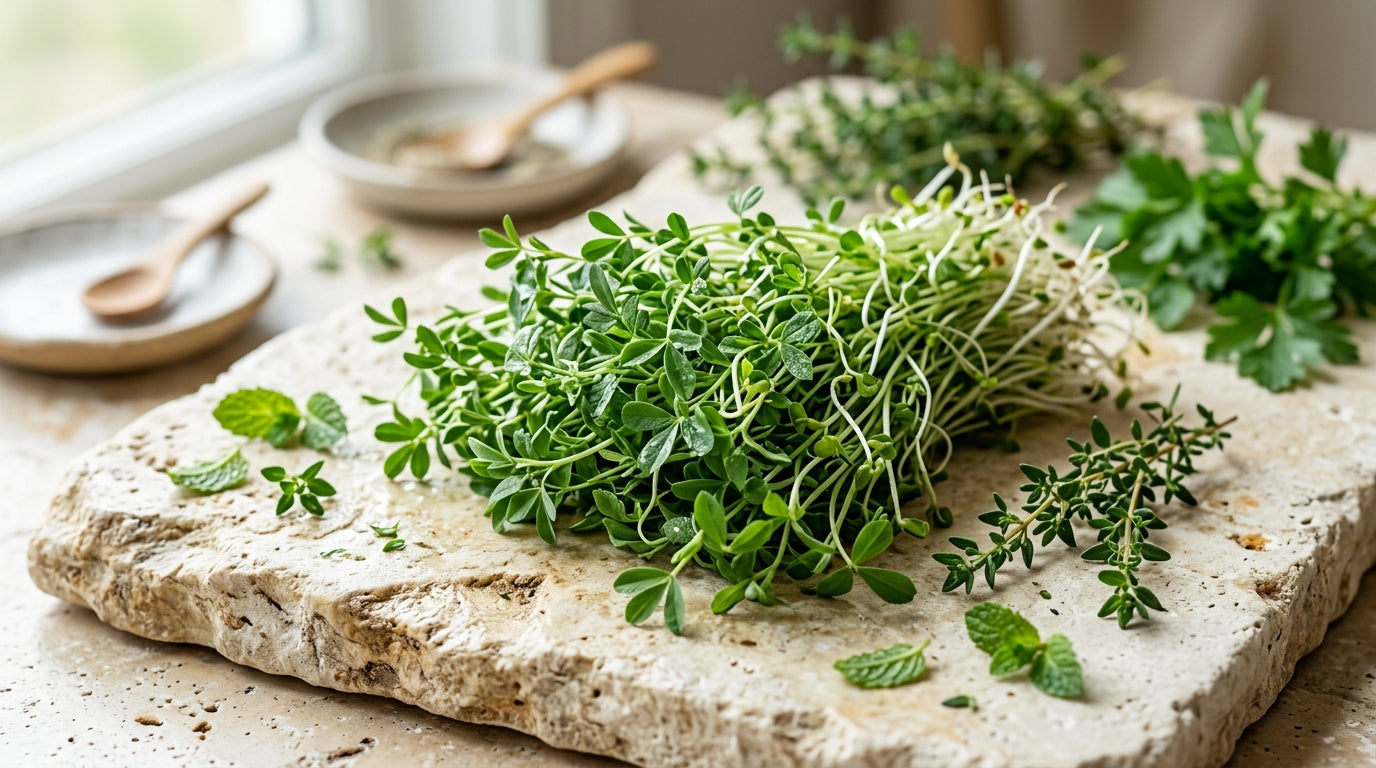
Sorrel (Rumex acetosa) is a tangy and slightly sour leafy green native to Europe and parts of Asia, now naturalized in North America. Cultivated for centuries, it is a staple in traditional dishes across Europe and the Middle East, valued for its distinct lemony flavor and impressive nutritional profile.
Potential benefits
- Stimulates digestion and enhances gut motility through natural acids like oxalic acid.
- Combats oxidative stress and promotes cellular repair with rich vitamins A and C, polyphenols, and flavonoids.
- Strengthens immune defenses and reduces inflammation due to high vitamin C and bioactive compounds.
- Regulates blood pressure and supports heart health with potassium and magnesium.
- Acts as a natural diuretic, promoting kidney function and aiding toxin elimination.
- Reduces systemic inflammation and supports joint health through flavonoids and antioxidants.
How it works
Sorrel's bioactive compounds, including anthocyanins, protocatechuic acid, and flavonoids like isovitexine, primarily exert their observed effects through antioxidant and anti-inflammatory pathways. These mechanisms, such as enhancing cellular energy metabolism, have been demonstrated in vitro and in animal models, but require further human clinical validation.
What the research says
In vitro studies demonstrate dose-dependent antimicrobial activity with 10% sorrel extract achieving 12.66mm inhibition zones against E. coli O157:H7 compared to 8.90mm at 2.5% concentration. Cellular studies show 1% and 2.5% sorrel extracts prevented ROS generation in diesel exhaust-exposed airway cells with significant catalase activity increases (P < 0.001). Animal and poultry studies confirm antioxidant benefits at 10g/kg dietary inclusion, though no human clinical trials have been conducted. Current evidence remains limited to laboratory and animal models.
Safety and interactions
Human clinical data on Sorrel's safety, including established specific dosages for therapeutic conditions, consistent reporting of drug interactions, and comprehensive bioavailability profiles, is notably lacking in human trials [1]. A significant caution is its high oxalate content, which necessitates moderation, particularly for individuals prone to kidney stones or with pre-existing kidney conditions.
Suggested use
- Common forms: Fresh leaves, dried powder, or extract.
- Culinary use: Eaten raw or cooked in soups, sauces, and salads. Its tangy flavor pairs well with creamy or rich dishes.
- Preparation: Rinse thoroughly and chop. Cooking reduces tartness. Store fresh sorrel in the refrigerator for 3–5 days.
- Dosage: 1 cup (10-15 grams) of fresh leaves daily; 500–1000 mg extract for general wellness, or 500–1,500mg extract daily for detoxification.
Frequently asked questions
Does sorrel help lower inflammation naturally?
Sorrel contains high levels of flavonoids and antioxidants such as vitamin C, which help lower inflammation by scavenging free radicals and inhibiting inflammatory pathways. Laboratory and animal studies show sorrel can reduce markers of inflammation, but there is minimal human clinical data confirming this benefit. Its anti-inflammatory action is likely linked to suppression of pro-inflammatory cytokines and protection of cells against oxidative stress. Including sorrel regularly in the diet may support overall inflammation balance, but it should not replace medical treatments.
Can I eat sorrel every day for heart health?
Yes, moderate daily consumption of sorrel is considered safe for most healthy adults and may support heart health. Sorrel is rich in potassium and magnesium, minerals known to help regulate blood pressure and support cardiovascular function. Its antioxidants also assist in maintaining vascular health. However, excessive consumption can lead to elevated oxalate intake, which may not be suitable for those prone to kidney stones. Diversifying leafy greens in your diet is recommended for optimal nutrient intake.
Does sorrel support liver detoxification?
Preclinical research suggests sorrel may aid liver health and detoxification due to its potent antioxidant compounds, including anthocyanins and polyphenols. These compounds can help neutralize toxins and reduce oxidative stress in the liver, potentially protecting cells from damage. While traditional medicine uses sorrel for detox support, robust human clinical evidence is limited. For general wellness and potential liver benefits, using sorrel as part of a balanced diet may be helpful but should not replace medical interventions for liver disease.
What are the potential side effects of consuming sorrel?
The most notable side effect of sorrel is its high oxalic acid content, which may contribute to kidney stone formation in susceptible individuals. Excessive intake may also cause stomach upset, nausea, or irritation of the mouth and throat in some people. Allergic reactions are rare but possible. Those with kidney issues or prone to renal stones should consume sorrel cautiously. Sorrel should be eaten in moderation and as part of a varied diet to minimize potential risks.
Is sorrel safe during pregnancy or breastfeeding?
There is limited research on the safety of sorrel during pregnancy or breastfeeding. Its naturally high oxalic acid and potent bioactive compounds warrant caution, especially in large amounts. While small amounts as a culinary herb are generally considered safe, it is best for pregnant or breastfeeding women to consult a healthcare provider before consuming sorrel supplements or extracts, as the effects on maternal or infant health are not well-studied.
How does sorrel boost immunity?
Sorrel supports immune health through its rich vitamin C content, which enhances white blood cell function and helps protect against pathogens. Its polyphenols and flavonoids also display immunomodulatory properties, reducing oxidative stress and inflammation in immune pathways. These mechanisms, observed primarily in laboratory and animal studies, suggest regular intake of sorrel may contribute to a more robust immune response, although more human research is needed to confirm these effects directly.
Can I take sorrel with other supplements or medications?
Sorrel may interact with medications or supplements that are affected by its high vitamin C, oxalic acid, or potassium content. For example, consuming large amounts alongside potassium-sparing diuretics or blood pressure medications might increase risk of electrolyte imbalance. Due to its oxalate content, those taking calcium or magnesium supplements should be aware of potential absorption issues. Always consult your healthcare provider before introducing sorrel into your supplement or medication routine.
How does cooking affect sorrel’s nutritional value?
Cooking sorrel slightly reduces its vitamin C and some polyphenolic content but can help minimize oxalic acid levels, making it safer for those sensitive to oxalates. The heat also mellows its sharp, tangy flavor. Most minerals, such as potassium and magnesium, are well-preserved during brief cooking. For maximum benefit, use a mix of raw and lightly cooked sorrel in salads, soups, or sauces to balance nutrients and enhance digestibility.
What is the optimal dosage of sorrel extract for antimicrobial benefits?
Research shows 10% sorrel extract concentration provides maximum antimicrobial activity with 12.66mm inhibition zones against pathogenic bacteria. Lower concentrations of 2.5-5% still demonstrate measurable effects but with reduced potency compared to higher concentrations.
Can sorrel leaves interact with blood pressure medications?
While sorrel contains potassium and magnesium that may affect blood pressure, no specific drug interactions have been documented in research. However, the lack of human clinical trials means potential interactions with ACE inhibitors or diuretics remain unknown and require medical supervision.
References
- https://fdc.nal.usda.gov/fdc-app.html#/search?query=Sorrel+Bark
- https://fdc.nal.usda.gov/fdc-app.html#/search?query=Sorrel+Leaf
- https://www.frontiersin.org/articles/10.3389/fphar.2022.867930/full
- https://www.ncbi.nlm.nih.gov/search/all/?term=Sorrel+Bark
- https://www.ncbi.nlm.nih.gov/search/all/?term=Sorrel+Leaf
- https://www.researchgate.net/publication/31087654
- https://doi.org/10.1016/j.jep.2021.113985
- https://pubmed.ncbi.nlm.nih.gov/28711520
- https://pubmed.ncbi.nlm.nih.gov/31087654
- https://pubmed.ncbi.nlm.nih.gov/32278913
- https://pubmed.ncbi.nlm.nih.gov/32479512
- https://www.ncbi.nlm.nih.gov/pmc/articles/PMC7158891/
- https://www.ncbi.nlm.nih.gov/pmc/articles/PMC7341271/
- https://www.ncbi.nlm.nih.gov/pmc/articles/PMC7829657/
- https://www.sciencedirect.com/science/article/abs/pii/S037887412030412X
This article is educational and is not medical advice. Statements have not been evaluated by the FDA and are not intended to diagnose, treat, cure, or prevent any disease. Consult a healthcare professional before use.