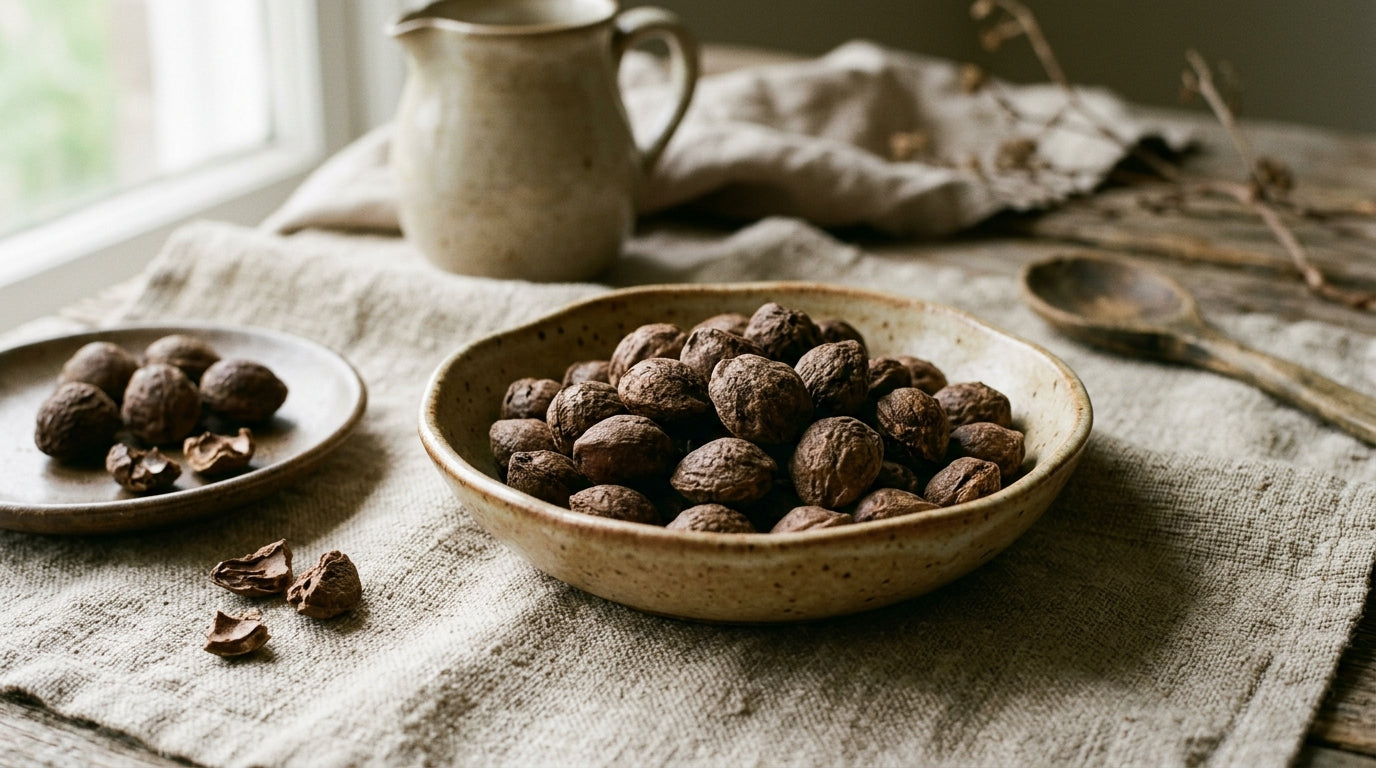
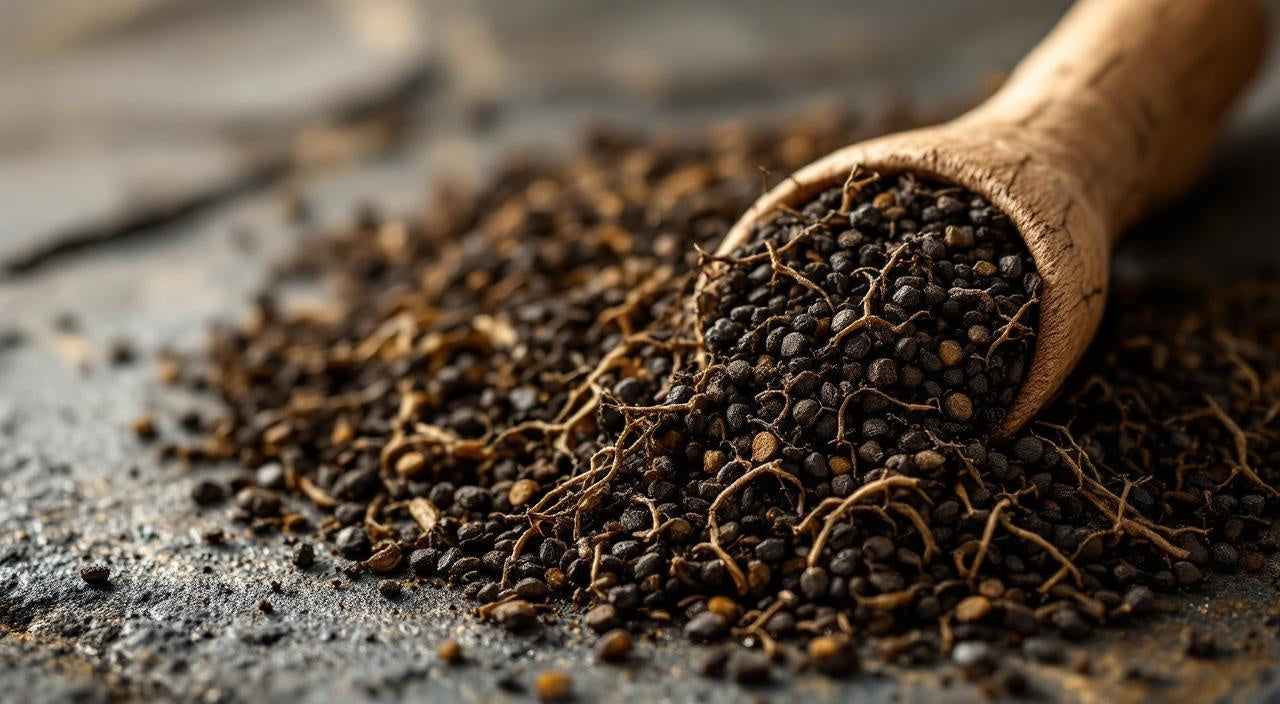
Bignay leaves and green parts contain anthocyanins, flavan-3-ols, and phenolic acids that exhibit antioxidant activity with DPPH IC50 values of 0.110 mg/mL. These compounds provide lipid-lowering effects through pancreatic lipase inhibition (18.7-39.0%) and bile acid binding capacity (41.5-54.0%).

Origin
Bignay (Antidesma bunius), also known as Philippine Cherry, is a tropical shrub or small tree native to Southeast Asia and the Pacific Islands, particularly the Philippines, Indonesia, and Malaysia. It thrives in warm, humid climates and well-drained soils, producing tart-sweet, reddish-purple fruits valued for their deep pigmentation and functional properties.
Potential benefits
- Delivers potent antioxidant protection, neutralizing free radicals via anthocyanins, vitamin C, and polyphenols.
- Supports cardiovascular health by modulating cholesterol levels and aiding blood pressure regulation.
- Promotes digestive regularity and microbiota balance through its fiber content.
- Boosts immune defense by reducing inflammation and enhancing immune cell function.
- Assists in metabolic health by regulating blood sugar and improving insulin sensitivity.
- Provides anti-inflammatory benefits, potentially alleviating joint pain.
- Supports liver detoxification and reduces lipid accumulation.
How it works
Bignay's anthocyanins (cyanidin-3-glucoside, malvidin), flavan-3-ols (epicatechin, catechin), and phenolic acids (gallic, caffeic, chlorogenic acids) neutralize free radicals through direct scavenging mechanisms. The hydroxyl groups in these polyphenols interact with lipid structures to inhibit pancreatic lipase enzyme activity and bind bile acids like taurocholate. This dual action reduces lipid absorption while the antioxidant compounds protect against oxidative cellular damage.
What the research says
Current evidence derives exclusively from in vitro laboratory studies with no human clinical trials available. Laboratory research demonstrates pancreatic lipase inhibition ranging from 18.7-39.0% and bile acid binding capacity of 41.5-54.0%, with the Kalabaw cultivar showing superior activity compared to Common varieties. Antioxidant testing shows DPPH scavenging IC50 values of 0.110 mg/mL and ABTS IC50 of 0.126 mg/mL for bignay juice preparations. The absence of human clinical data significantly limits conclusions about therapeutic efficacy and appropriate dosing recommendations.
Safety and interactions
No specific safety data, drug interactions, or contraindications have been established for bignay leaf preparations in available research. Optimized extracts show no detectable organic solvent residues, suggesting potential safety for food applications, but comprehensive toxicology studies are lacking. The theoretical lipase inhibition activity could potentially interfere with fat-soluble vitamin absorption or interact with lipid-lowering medications. Pregnant and breastfeeding women should avoid use due to insufficient safety data, and individuals on anticoagulant or diabetes medications should consult healthcare providers before use.
Suggested use
- Forms: Fresh berries, leaves (for tea), juice, jams, wines, syrups, standardized extracts, supplements, skincare products.
- Dosage: 1–2 cups of tea daily (from leaves) or 300–500 mg of standardized extract. For berries: 1/2 cup fresh berries or 1 cup Bignay juice per serving.
- Traditional Use: Traditionally consumed fresh or fermented into wine for ceremonial and medicinal purposes; leaves used in poultices to reduce inflammation and treat wounds.
Frequently asked questions
What are the main active compounds in bignay leaves?
Bignay leaves contain anthocyanins like cyanidin-3-glucoside and malvidin, flavan-3-ols including epicatechin and catechin, and phenolic acids such as gallic, caffeic, and chlorogenic acids. Fully ripe materials show total phenolic content of 40.73 mg GAE/g and total flavonoid content of 31.54 mg QE/g.
How strong is bignay's antioxidant activity compared to other plants?
Bignay demonstrates moderate antioxidant activity with DPPH IC50 values of 0.110 mg/mL and ABTS IC50 of 0.126 mg/mL for juice preparations. Freeze-dried pomace shows higher concentrations up to 2935.92 mg TE/100g DW, though direct comparisons to other botanical antioxidants require standardized testing methods.
Can bignay leaves help lower cholesterol levels?
In vitro studies show bignay polyphenols inhibit pancreatic lipase by 18.7-39.0% and bind bile acids with 41.5-54.0% capacity, mechanisms that theoretically support cholesterol reduction. However, no human clinical trials have confirmed actual cholesterol-lowering effects or established effective dosages for therapeutic use.
Are there different varieties of bignay with varying potency?
Research identifies distinct cultivars including Kalabaw and Common varieties, with Kalabaw showing superior pancreatic lipase inhibition activity compared to Common types. Maturity stage also affects potency, with fully ripe seeds containing higher concentrations of bioactive compounds than earlier stages.
Is it safe to consume bignay leaf preparations regularly?
Safety data for regular bignay leaf consumption is currently unavailable, with no established toxicity studies or recommended dosage limits. While extracts appear free of organic solvent residues, the absence of comprehensive safety testing means potential side effects, optimal dosing, and long-term safety remain unknown.
Does bignay interact with blood pressure or cholesterol medications?
Bignay leaves may potentiate blood pressure and cholesterol-lowering medications due to their natural compounds that support cardiovascular health. Because bignay can modulate both cholesterol and blood pressure levels, concurrent use with antihypertensive or statin drugs warrants medical supervision to avoid excessive effects. Consult with a healthcare provider before combining bignay supplements with prescription cardiovascular medications.
What is the most effective form of bignay—fresh leaves, dried leaf tea, or extract?
Dried leaf tea and standardized extracts generally provide more concentrated and consistent antioxidant and polyphenol levels compared to fresh leaves, making them easier to dose reliably. Dried preparations preserve the anthocyanins and vitamin C content better than fresh leaves over time, while extracts offer improved bioavailability of active compounds. Fresh leaves retain some volatile constituents but are less shelf-stable and harder to standardize for therapeutic use.
Is bignay safe for pregnant women, nursing mothers, or young children?
Limited clinical data exist on bignay's safety during pregnancy and lactation, so it is generally recommended that pregnant and nursing women avoid supplementation without medical guidance. While bignay is traditionally used in Filipino cuisine and folk medicine, its concentrated supplement forms have not been adequately studied in pediatric populations, and use in children should be supervised by a healthcare provider. Safety in these populations requires further research before recommending routine supplementation.
References
- https://fdc.nal.usda.gov/fdc-app.html#/search?query=Bignay
- https://fdc.nal.usda.gov/fdc-app.html#/search?query=Bignay+Berry
- https://fdc.nal.usda.gov/fdc-app.html#/search?query=Bignay+Leaf
- https://www.mdpi.com/1420-3049/24/5/1015
- https://www.ncbi.nlm.nih.gov/search/all/?term=Bignay
- https://www.ncbi.nlm.nih.gov/search/all/?term=Bignay+Berry
- https://www.ncbi.nlm.nih.gov/search/all/?term=Bignay+Leaf
- https://doi.org/10.1016/j.jfca.2019.03.015
- https://doi.org/10.1016/j.jff.2019.103345
- https://pubmed.ncbi.nlm.nih.gov/29382357
- https://pubmed.ncbi.nlm.nih.gov/30304424/
- https://www.ncbi.nlm.nih.gov/pmc/articles/PMC7821147/
- https://www.sciencedirect.com/science/article/abs/pii/S0308814618306885
This article is educational and is not medical advice. Statements have not been evaluated by the FDA and are not intended to diagnose, treat, cure, or prevent any disease. Consult a healthcare professional before use.