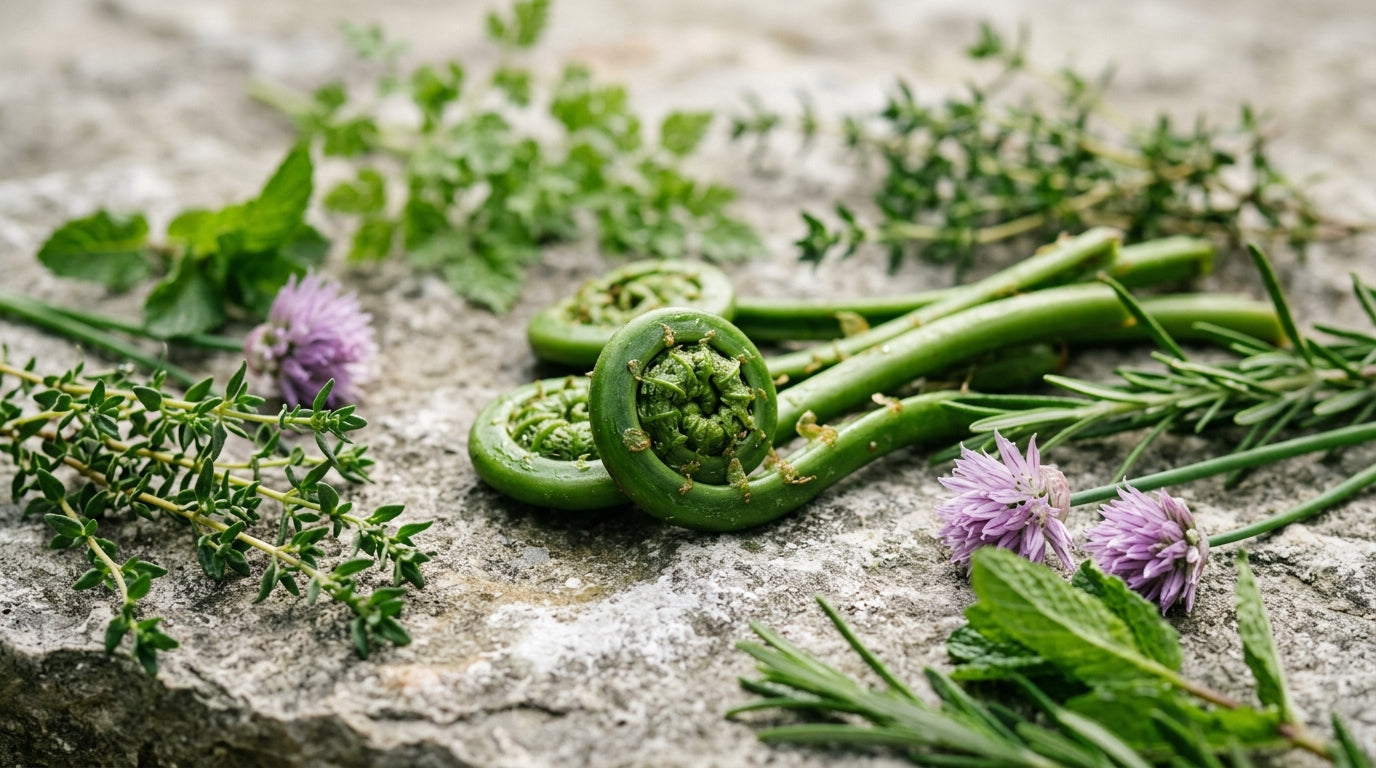
Fox Grape (Vitis labrusca) leaves are rich in proanthocyanidins, resveratrol, and pterostilbene—polyphenolic compounds that inhibit VCAM-1 expression, suppress ACE activity, and activate endothelial nitric oxide synthase (eNOS) to confer cardioprotective and anti-inflammatory effects. Notably, pterostilbene, a key stilbenoid found in Vitis labrusca tissues, has been shown to suppress cell viability and induce apoptosis and autophagy in cisplatin-resistant gastric cancer cells (PMID 39890184, Anticancer Res, 2025), underscoring the broader chemopreventive potential of fox grape bioactives.

Origin
Fox Grape (*Vitis labrusca*) is a fruit native to Eastern and Central North America, thriving in temperate forests and well-drained soils. Revered for its potent antioxidant and anti-inflammatory compounds, it offers significant benefits for cardiovascular health and metabolic function.
Potential benefits
- Improves cardiovascular health by enhancing circulation and reducing oxidative stress, supporting healthy cholesterol levels.
- Enhances metabolic function through its role in blood sugar regulation and lipid metabolism.
- Strengthens immune resilience via its antimicrobial and anti-inflammatory compounds.
- Promotes digestive wellness by reducing gastrointestinal inflammation and nurturing beneficial gut microbiota.
- Provides neuroprotective benefits by combating oxidative damage and supporting cognitive longevity.
- Aids in skin hydration and collagen synthesis, contributing to anti-aging effects.
How it works
Proanthocyanidins in fox grape leaves inhibit CD36 mRNA expression in THP-1 monocyte-derived macrophages and reduce VCAM-1 expression in human umbilical vein endothelial cells (HUVECs), thereby attenuating foam cell formation and early atherosclerotic plaque development. Resveratrol and pterostilbene suppress COX-2 expression through inhibition of the MAPK/AP-1 signaling cascade in activated macrophages, while simultaneously blocking NF-κB nuclear translocation to reduce pro-inflammatory cytokines TNF-α and IL-6. These stilbenoids also activate eNOS via the PI3K/Akt pathway, increasing nitric oxide bioavailability for vasodilation and blood pressure regulation, and competitively inhibit angiotensin-converting enzyme (ACE) to provide synergistic cardiovascular protection. Pterostilbene further triggers apoptosis and autophagy through AMPK activation and mTOR suppression, as demonstrated in cisplatin-resistant cancer models (PMID 39890184).
What the research says
Current evidence for Fox Grape leaves is limited to in vitro cellular studies using cell lines including THP-1, RAW 264.7 macrophages, and HUVEC endothelial cells. No specific human clinical trials have been conducted on Vitis labrusca leaf extracts, with available research focusing on isolated compound mechanisms rather than whole plant efficacy. The evidence strength remains preliminary, requiring controlled human studies to validate therapeutic applications. Broader Vitis species research suggests potential benefits, but quantified clinical endpoints and dosage parameters for Fox Grape leaves specifically are not established.
Safety and interactions
Fox grape leaf extracts and their polyphenolic constituents (resveratrol, pterostilbene) may inhibit CYP3A4, CYP1A2, and CYP2C9 enzymes, potentially increasing plasma levels of co-administered drugs metabolized by these pathways, including statins, warfarin, and certain calcium channel blockers. Individuals taking anticoagulant or antiplatelet medications should exercise caution, as grape polyphenols possess intrinsic antiplatelet activity that may potentiate bleeding risk. Pregnant or breastfeeding women should consult a healthcare provider before supplementation, as safety data in these populations remain limited. High-dose supplementation may cause mild gastrointestinal symptoms including nausea and diarrhea; standardized dosing protocols for fox grape leaf extracts have not yet been established by regulatory agencies.
Suggested use
- Traditionally utilized in Indigenous and early North American herbal medicine as teas, decoctions, or powders.
- Modern forms include antioxidant-rich teas, powders, tinctures, and standardized extracts.
- Dosage ranges from 1–2 servings of fruit daily, 5–10 g of freeze-dried powder, or 300–600 mg of standardized extract per day.
Frequently asked questions
Does fox grape help lower blood pressure?
Fox grape (Vitis labrusca) leaves contain resveratrol and pterostilbene that activate endothelial nitric oxide synthase (eNOS) via the PI3K/Akt pathway, increasing nitric oxide production and promoting vasodilation. Additionally, proanthocyanidins in fox grape suppress ACE activity, a key mechanism behind many pharmaceutical antihypertensives. Together, these actions support healthy blood pressure regulation. While clinical trials specific to fox grape are limited, the mechanistic evidence from its bioactive polyphenols suggests meaningful cardiovascular benefit when used as part of a balanced approach.
Can fox grape help with blood sugar regulation?
Fox grape bioactives, particularly resveratrol and pterostilbene, have been shown to enhance metabolic function through modulation of lipid metabolism and glucose homeostasis. These stilbenoids influence insulin sensitivity pathways and reduce inflammatory signaling—such as NF-κB and MAPK—that contribute to metabolic dysregulation. Incorporating standardized fox grape extract (300–600 mg/day) or freeze-dried powder (5–10 g/day) may support blood sugar balance, though individuals with diabetes should consult a healthcare provider before use.
What is the recommended dosage of fox grape extract?
Current usage guidelines suggest 300–600 mg of standardized fox grape extract per day, 5–10 g of freeze-dried leaf or fruit powder daily, or 1–2 servings of fresh fruit. Traditional preparations included teas and decoctions made from leaves. Standardized extracts are generally preferred in modern supplementation as they ensure consistent concentrations of key bioactives like proanthocyanidins, resveratrol, and pterostilbene. Dosing should be tailored based on the specific health goal and product standardization level.
Does fox grape have anti-inflammatory properties?
Yes. Fox grape leaves are rich in resveratrol and pterostilbene, which suppress COX-2 expression by inhibiting the MAPK/AP-1 signaling cascade in activated macrophages. These stilbenoids also block NF-κB nuclear translocation, reducing secretion of pro-inflammatory cytokines TNF-α and IL-6. Proanthocyanidins further reduce VCAM-1 expression in endothelial cells, attenuating vascular inflammation. This multi-target anti-inflammatory action makes fox grape a compelling botanical for managing chronic low-grade inflammation associated with cardiovascular, metabolic, and digestive conditions.
Can fox grape support gut health?
Fox grape bioactives may promote digestive wellness by reducing gastrointestinal inflammation through inhibition of NF-κB-mediated pro-inflammatory pathways. Polyphenols such as proanthocyanidins are also known to selectively nourish beneficial gut microbiota while exerting antimicrobial activity against pathogenic organisms. These prebiotic-like effects can support a balanced microbiome environment. While direct clinical studies on fox grape and gut health are still emerging, its polyphenol profile is consistent with other grape-derived ingredients shown to positively influence intestinal health markers.
Does fox grape have neuroprotective effects?
Fox grape contains resveratrol and pterostilbene, stilbenoids with established neuroprotective potential. These compounds combat oxidative damage in neural tissue by scavenging reactive oxygen species and activating endogenous antioxidant pathways. Pterostilbene, a more bioavailable dimethylated analog of resveratrol, crosses the blood-brain barrier more efficiently, making it particularly relevant for cognitive support. By reducing neuroinflammation via NF-κB and MAPK inhibition, fox grape bioactives may support cognitive longevity and help protect against age-related neurodegeneration.
Is fox grape good for skin and anti-aging?
Fox grape polyphenols, including proanthocyanidins and resveratrol, support skin health through multiple mechanisms. They reduce oxidative stress that accelerates collagen degradation, while promoting collagen synthesis pathways for improved skin elasticity and hydration. Anti-inflammatory actions via COX-2 and NF-κB inhibition also help minimize skin inflammation that contributes to premature aging. These properties make fox grape extracts a relevant ingredient in both nutraceutical and cosmeceutical formulations targeting age-related skin changes, fine lines, and loss of dermal firmness.
Are there any side effects or safety concerns with fox grape supplements?
Fox grape is generally considered safe when consumed in traditional food amounts or at studied supplemental doses of 300–600 mg standardized extract per day. High-dose resveratrol and pterostilbene supplements may interact with anticoagulant medications like warfarin due to their platelet-inhibiting properties. Individuals on ACE inhibitors should exercise caution given fox grape's ACE-suppressing effects. Pregnant or breastfeeding individuals should consult a healthcare provider before use. Gastrointestinal discomfort has been reported with high-dose polyphenol supplements in some individuals.
What are the main health benefits of fox grape leaves?
Fox grape (Vitis labrusca) leaves provide cardiovascular protection through ACE inhibition and eNOS activation, anti-inflammatory effects via NF-κB and COX-2 suppression, and antioxidant defense from proanthocyanidins and resveratrol. They also support metabolic health by aiding blood sugar regulation and lipid metabolism, and may offer neuroprotective benefits by combating oxidative neuronal damage.
What is the difference between fox grape and other grape species?
Fox grape (Vitis labrusca) is native to eastern North America and is distinguished by its slip-skin berries, musky 'foxy' aroma, and higher concentrations of methyl anthranilate compared to European wine grapes (Vitis vinifera). Its leaves contain a particularly rich profile of proanthocyanidins and stilbenoids, including pterostilbene, which has demonstrated anticancer activity in recent research (PMID 39890184).
References
- https://fdc.nal.usda.gov/fdc-app.html#/search?query=Fox+Grape
- https://fdc.nal.usda.gov/fdc-app.html#/search?query=Fox+Grape+Leaf
- https://www.ncbi.nlm.nih.gov/search/all/?term=Fox+Grape
- https://www.ncbi.nlm.nih.gov/search/all/?term=Fox+Grape+Leaf
- https://pubmed.ncbi.nlm.nih.gov/?term=Fox+Grape+Leaf
- https://www.ncbi.nlm.nih.gov/pmc/articles/PMC7966957/
- https://www.sciencedirect.com/science/article/pii/S175646462030219X
This article is educational and is not medical advice. Statements have not been evaluated by the FDA and are not intended to diagnose, treat, cure, or prevent any disease. Consult a healthcare professional before use.