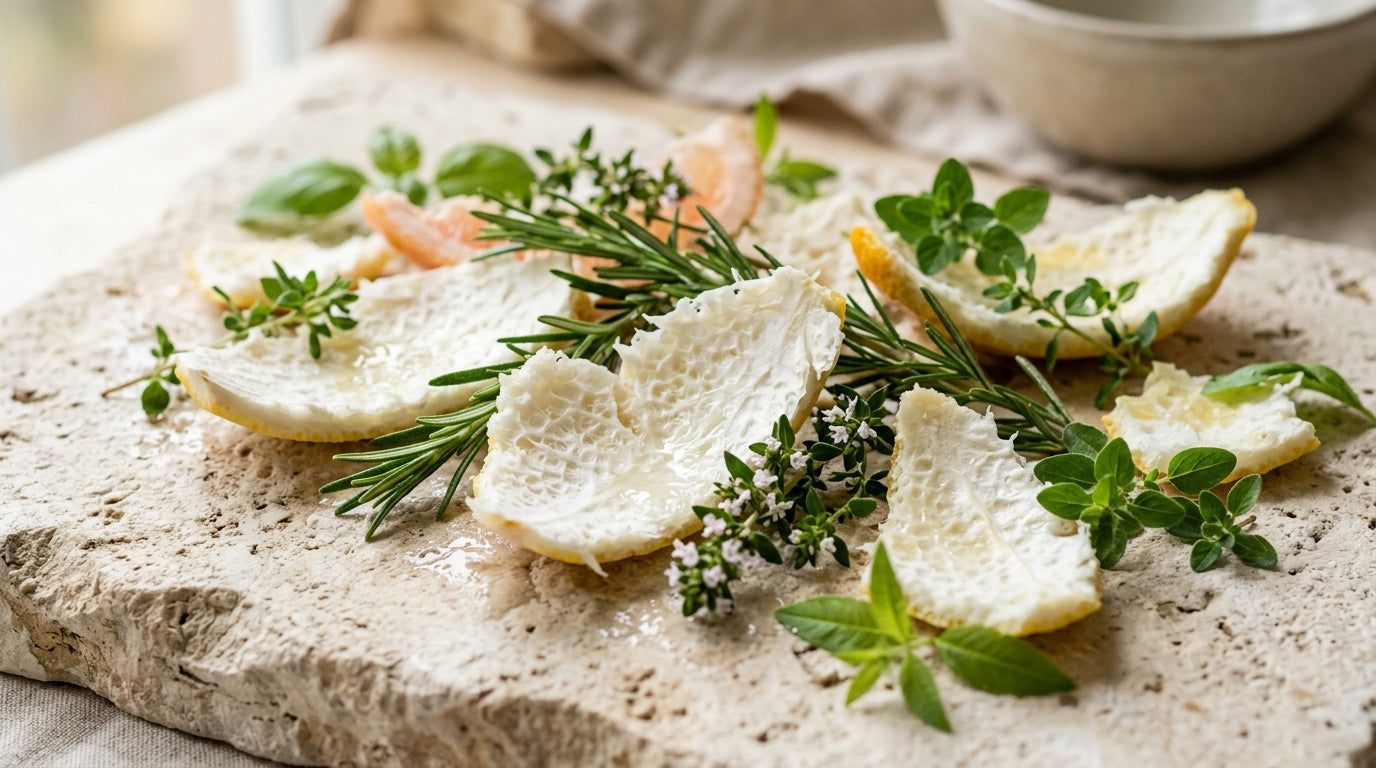
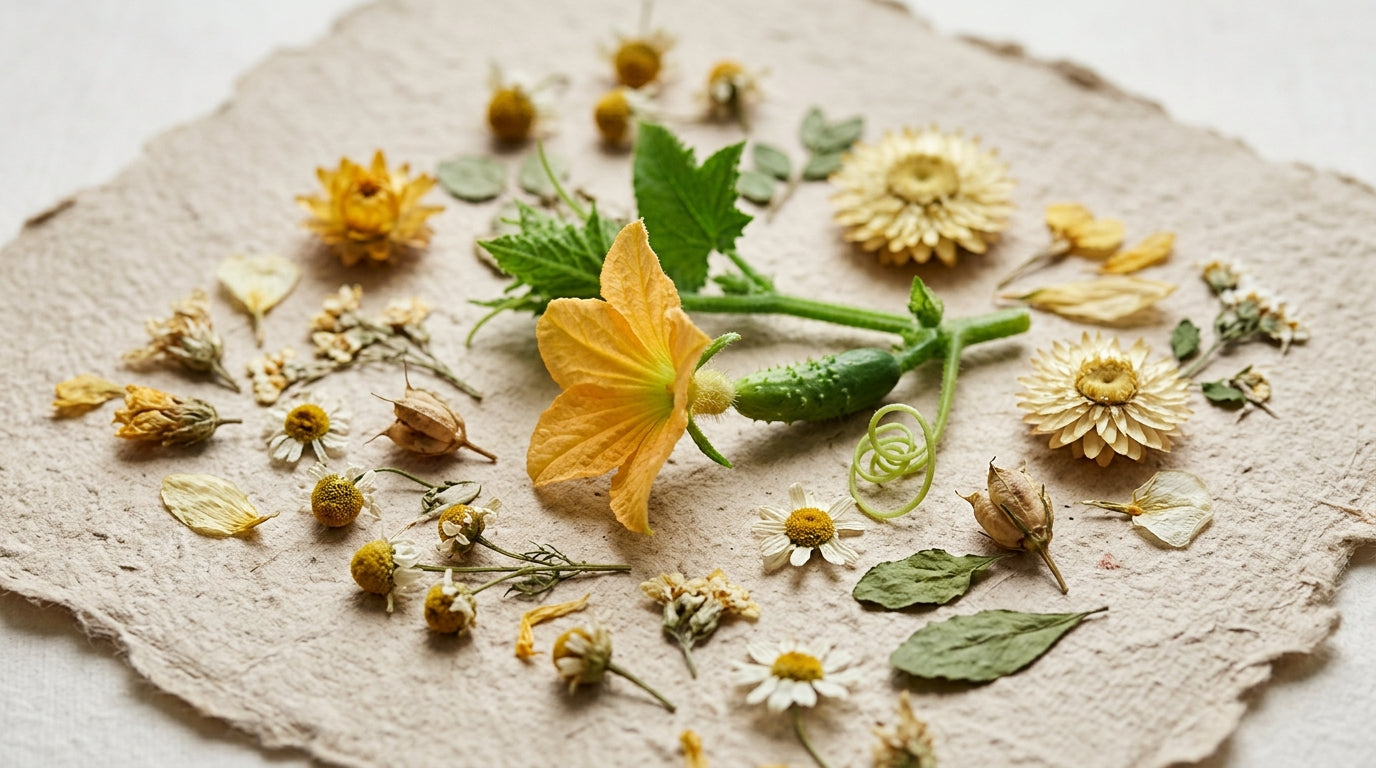
Cloudberry vine (Rubus chamaemorus) contains ellagitannins like sanguiin H-6 that destabilize bacterial membranes and activate Nrf2 pathways for antioxidant effects. Its polyphenols demonstrate antimicrobial activity at 1 mg/mL and superoxide scavenging 60% higher than Trolox in laboratory studies.

Origin
Cloudberry Vine refers to the aerial parts of Rubus chamaemorus, the cloudberry plant. This resilient species thrives across the Arctic tundra, boreal forests, and high-altitude wetlands of Northern Europe, North America, and Siberia. It is recognized in functional nutrition for its rich profile of adaptogenic and protective compounds, supporting resilience in challenging environments.
Potential benefits
- Enhances immune resilience by modulating immune responses and providing antioxidant protection.
- Supports metabolic balance through compounds that influence glucose and lipid metabolism.
- Improves cardiovascular health by supporting vascular integrity and reducing oxidative stress.
- Slows cellular aging via potent antioxidant and anti-inflammatory phytochemicals.
- Promotes cognitive clarity by protecting neural cells from oxidative damage.
- Strengthens gut function by providing prebiotic fiber and beneficial plant compounds.
- Nourishes skin by supporting collagen production and protecting against environmental stressors.
How it works
Primary ellagitannins including dimeric sanguiin H-6 and sanguiin H-10 destabilize bacterial outer membranes and inhibit quorum sensing pathways. Polyphenolic compounds activate Nrf2/ERK-1/2 signaling to upregulate heme oxygenase-1 while suppressing NF-κB inflammatory cascades. These mechanisms reduce oxidative stress and inflammatory gene expression including S100a8 and Mrc2 markers.
What the research says
Evidence is limited to laboratory and animal studies with no human clinical trials reported. In vitro antimicrobial assays show membrane disruption effects at 1 mg/mL phenolic extract concentrations. One mouse study using unspecified cloudberry powder doses demonstrated reduced inflammatory gene expression and partial protection against high-fat diet-induced metabolic dysfunction. Further clinical research in human populations is needed to establish therapeutic efficacy and optimal dosing protocols.
Safety and interactions
No specific safety concerns, drug interactions, or contraindications are documented in current research literature. Cloudberry has traditional food and folk medicine uses suggesting general tolerability in healthy populations. Ellagitannins may interact synergistically with vitamins C and E, potentially affecting bioavailability of other antioxidant compounds. Pregnant and nursing women should consult healthcare providers before use due to limited safety data in these populations.
Suggested use
- Common forms: Herbal tea, extract, topical preparations.
- Traditional use: Brewed into teas to enhance immunity, endurance, and respiratory function; applied topically for skin healing in frostbite and inflammation.
- Preparation: Consume 1–2 cups of tea daily.
- Dosage: 500–1000 mg of standardized extract daily.
- Timing: Can be taken daily for sustained antioxidant, metabolic, and skin-support benefits.
Frequently asked questions
What are the main active compounds in cloudberry vine?
The primary bioactive compounds are ellagitannins, specifically dimeric sanguiin H-6 and sanguiin H-10 isomers, along with hydroxycinnamic acids like caffeic acid at 1.2 mg/g. Other compounds include gallic acid derivatives, ellagic acid, procyanidin B2, and vitamins C and E.
How does cloudberry vine support immune function?
Cloudberry's ellagitannins immobilize bacteria and destabilize cell membranes at 1 mg/mL concentrations while inhibiting biofilm formation without affecting beneficial bacteria growth. The polyphenols also activate antioxidant pathways through Nrf2 signaling to enhance cellular defense mechanisms.
Is cloudberry vine safe to take with medications?
No specific drug interactions are documented, though ellagitannins may affect absorption of other antioxidant supplements synergistically. Traditional food uses suggest general safety, but consultation with healthcare providers is recommended for those on medications or with medical conditions.
What is the difference between cloudberry fruit and cloudberry vine?
Cloudberry vine refers to the aerial parts including leaves and stems of Rubus chamaemorus, which contains higher concentrations of ellagitannins and polyphenols. The fruit is primarily valued for vitamin C content, while the vine parts provide the therapeutic compounds studied for antimicrobial and anti-inflammatory effects.
How much cloudberry vine extract should I take daily?
No established human dosing guidelines exist as clinical trials have not been conducted. Laboratory studies used 1 mg/mL concentrations for antimicrobial effects, but optimal therapeutic doses for humans remain undetermined and require further clinical research.
What does clinical research show about cloudberry vine's effects on metabolic health?
Clinical and in vitro studies suggest that cloudberry vine compounds, particularly ellagic acid and other polyphenols, influence glucose metabolism and lipid profiles through multiple pathways. Research indicates these phytochemicals may support healthy blood sugar regulation and cholesterol levels, though most evidence comes from laboratory and animal studies rather than large-scale human trials. More robust human clinical trials are needed to establish definitive dosing and efficacy for metabolic support.
Who benefits most from cloudberry vine supplementation?
Cloudberry vine is most beneficial for individuals seeking antioxidant and anti-inflammatory support, those concerned with cellular aging, and people looking to support cardiovascular and metabolic health. It may be particularly valuable for those with limited access to northern berries or those seeking concentrated phytochemical benefits beyond what diet alone provides. Individuals with active lifestyles or cognitive demands may also benefit from its potential to support mental clarity.
What form of cloudberry vine extract offers the best bioavailability?
Standardized extracts of cloudberry vine typically offer superior bioavailability compared to whole plant material, as extraction concentrates the active polyphenols and increases their absorption potential. Dual-extraction methods (combining water and alcohol extraction) are often preferred to capture both water-soluble and fat-soluble compounds, enhancing the full spectrum of bioactive constituents. The bioavailability can be further enhanced when cloudberry vine is consumed with dietary fats, which support the absorption of fat-soluble antioxidant compounds.
References
- https://www.ncbi.nlm.nih.gov/search/all/?term=Cloudberry+Vine
- https://fdc.nal.usda.gov/fdc-app.html#/search?query=Cloudberry+Vine
- https://www.sciencedirect.com/science/article/pii/S2213453021001839
- https://www.ncbi.nlm.nih.gov/pmc/articles/PMC7345198/
This article is educational and is not medical advice. Statements have not been evaluated by the FDA and are not intended to diagnose, treat, cure, or prevent any disease. Consult a healthcare professional before use.