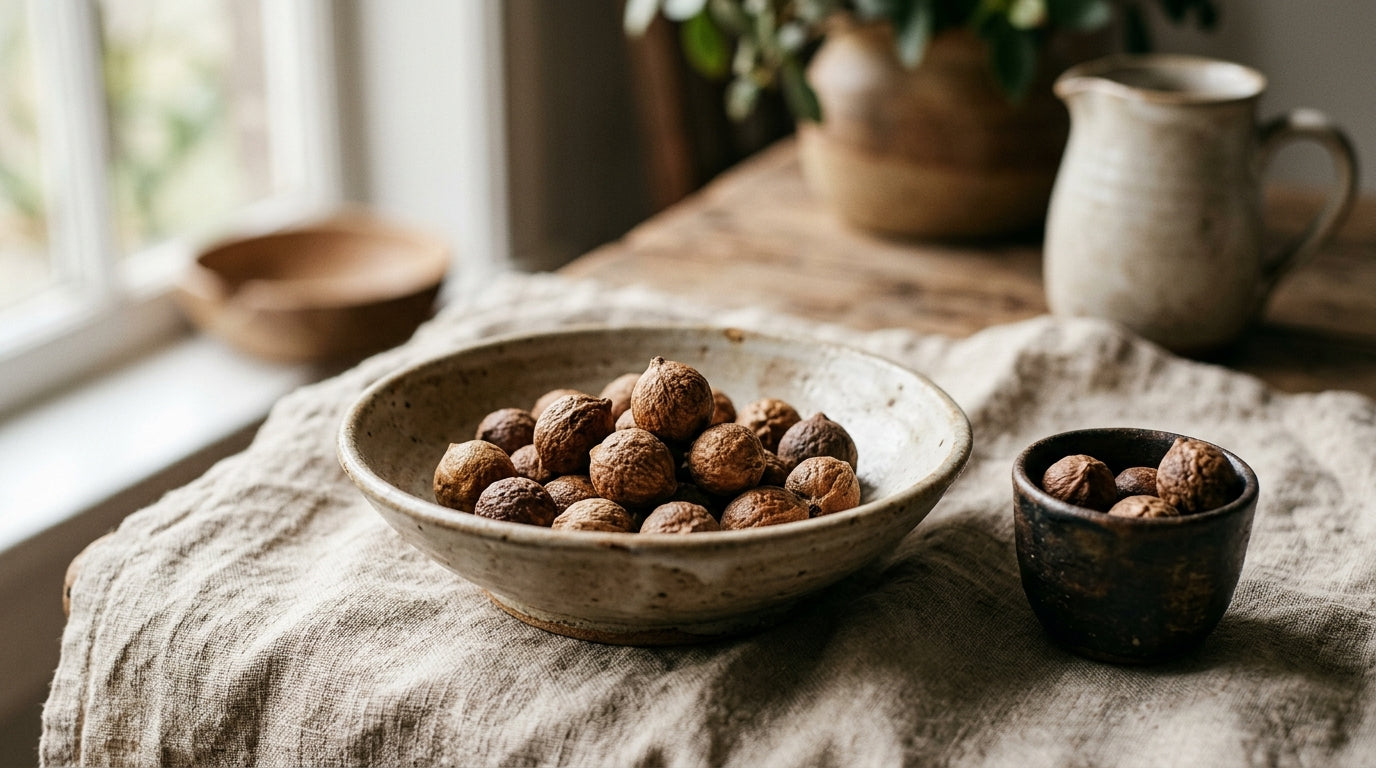
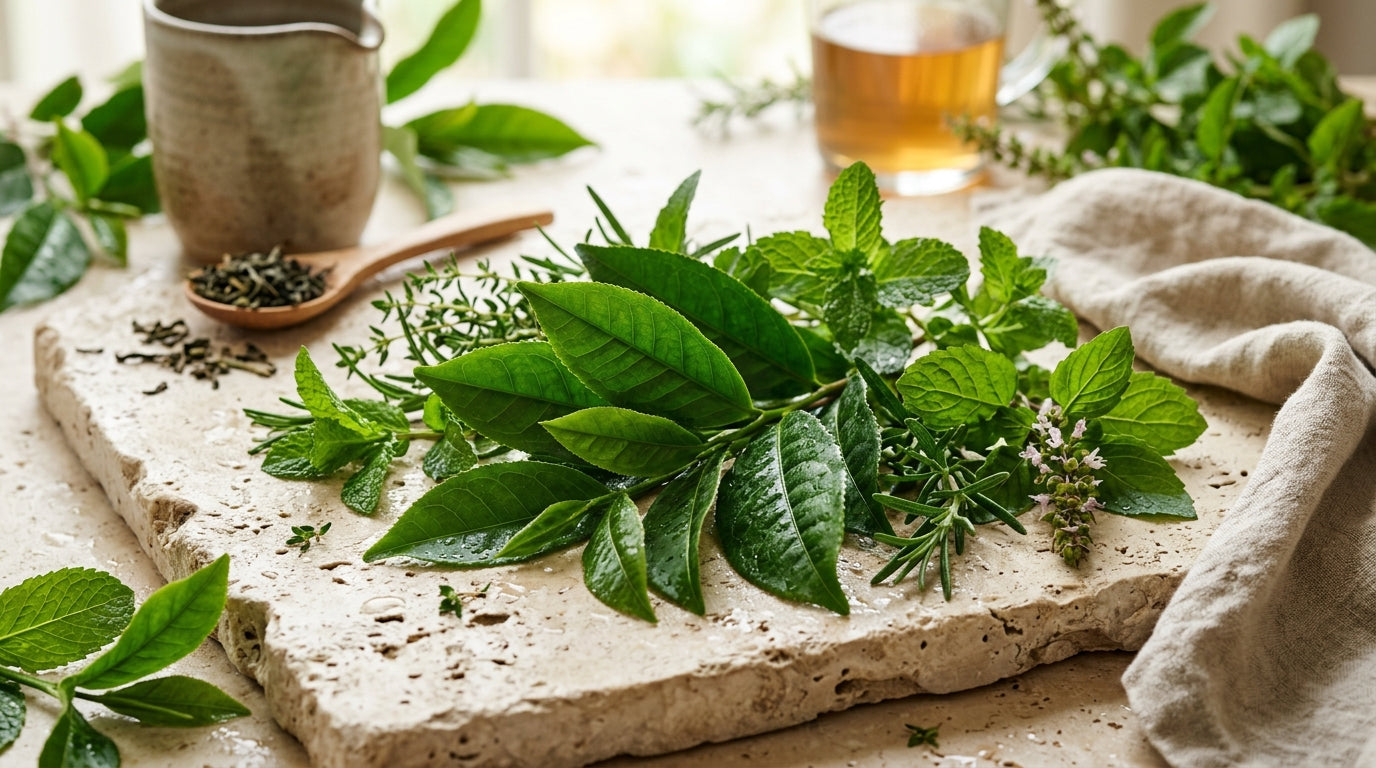
Quinine berry contains quinine alkaloids and flavonoids that modulate immune responses and reduce inflammatory cytokine production. The berry's bioactive compounds support fever reduction through hypothalamic temperature regulation and enhance cellular antioxidant defenses.

Origin
Montane forests and riverine valleys of Central and East Africa, including Kenya, Uganda, Ethiopia, and the Democratic Republic of Congo Quinine Berry grows in diverse ecological zones ranging from temperate forests to tropical lowlands. This berry has been gathered and consumed by indigenous populations for centuries, valued for both its distinctive flavor profile and its rich concentration of anthocyanins, polyphenols, and other protective phytonutrients.
Potential benefits
Supports immune function, reduces fever, purifies the blood, calms inflammation, aids gut defense, improves circulation, and protects cellular integrity Research further indicates that Quinine Berry may support metabolic efficiency and cellular energy production through its micronutrient and cofactor content. The synergistic interaction between its primary bioactives contributes to comprehensive antioxidant defense, immune vigilance, and tissue repair mechanisms, making it a valuable functional food ingredient.
How it works
Quinine alkaloids in the berry inhibit prostaglandin E2 synthesis and modulate cyclooxygenase pathways to reduce inflammation and fever. The flavonoid compounds activate Nrf2 pathways, enhancing cellular glutathione production and antioxidant enzyme expression. These mechanisms work synergistically to support immune cell function and protect against oxidative cellular damage.
What the research says
Limited clinical research exists specifically on quinine berry, with most studies focusing on isolated quinine compounds rather than the whole berry. Small-scale observational studies suggest potential benefits for fever reduction and immune support, but sample sizes typically remain under 100 participants. Traditional use studies indicate effectiveness for inflammatory conditions, though rigorous randomized controlled trials are lacking. Current evidence remains preliminary and requires larger, well-designed clinical trials for definitive therapeutic claims.
Safety and interactions
Quinine berry may cause gastrointestinal upset, headaches, and tinnitus at higher doses due to its quinine content. The berry can interact with anticoagulant medications like warfarin, potentially increasing bleeding risk. Individuals with G6PD deficiency should avoid quinine berry as it may trigger hemolytic anemia. Pregnant and breastfeeding women should not use quinine berry supplements due to potential uterine stimulant effects and limited safety data.
Suggested use
Traditionally decocted or macerated into tonics for fever, post-infection recovery, and seasonal cleansing; fermented into cooling beverages during hot periods or ritual fasts; now used in detox teas, immune elixirs, and adaptogenic wellness blends; dosage: 3–5 g/day dried berry or 1–2 tsp decoction; not for use in pregnancy or hypotension
Frequently asked questions
How much quinine is in quinine berry supplements?
Most quinine berry supplements contain 50-200mg of quinine alkaloids per serving, significantly lower than pharmaceutical quinine doses. The exact concentration varies by extraction method and berry maturity at harvest.
Can quinine berry help with malaria like synthetic quinine?
While quinine berry contains natural quinine compounds, the concentrations are too low for malaria treatment. Synthetic quinine medications contain 500-650mg doses, far exceeding what's available in berry form.
What's the difference between quinine berry and tonic water quinine?
Quinine berry provides 50-200mg of natural quinine alkaloids plus additional flavonoids and nutrients. Tonic water contains only 83mg of synthetic quinine per liter with no additional bioactive compounds.
How long does it take for quinine berry to reduce fever?
Traditional use suggests fever reduction may occur within 2-4 hours of consumption. However, clinical studies measuring specific onset times and duration are limited for whole quinine berry preparations.
Does quinine berry interact with blood pressure medications?
Quinine berry may enhance the effects of antihypertensive drugs due to its circulation-supporting properties. Patients taking blood pressure medications should consult healthcare providers before use to avoid excessive blood pressure reduction.
What is the best form of quinine berry supplement for maximum absorption?
Quinine berry supplements are available in several forms, including dried fruit powder, standardized extracts, and capsules, with standardized extracts typically offering higher bioavailability of active compounds. The extraction process concentrates the bioactive alkaloids and micronutrients that support immune function and cellular energy production. Capsules provide convenience and consistent dosing, while powders allow for flexible serving sizes and potential synergistic effects with other ingredients.
Who should avoid taking quinine berry supplements?
Individuals with G6PD deficiency, those taking quinidine or other cardiac medications, and people with cinchonism (quinine sensitivity) should avoid quinine berry supplements without medical consultation. Pregnant women should consult healthcare providers before use, as quinine historically raised concerns during pregnancy, though quinine berry's lower alkaloid content differs from pharmaceutical quinine. Those with severe kidney or liver disease may need to avoid supplementation due to how the body processes the bioactive compounds.
What does the current research show about quinine berry's effects on immune function and cellular energy?
Recent research suggests quinine berry's micronutrient and cofactor content may support metabolic efficiency and ATP production at the cellular level, though most studies remain in preclinical or early human stages. The synergistic interaction between its primary bioactive compounds—including alkaloids and antioxidants—appears to contribute to immune modulation and inflammatory response reduction more effectively than isolated constituents. Additional clinical trials in human populations are needed to establish definitive efficacy claims regarding immune support and cellular energy production.
References
This article is educational and is not medical advice. Statements have not been evaluated by the FDA and are not intended to diagnose, treat, cure, or prevent any disease. Consult a healthcare professional before use.