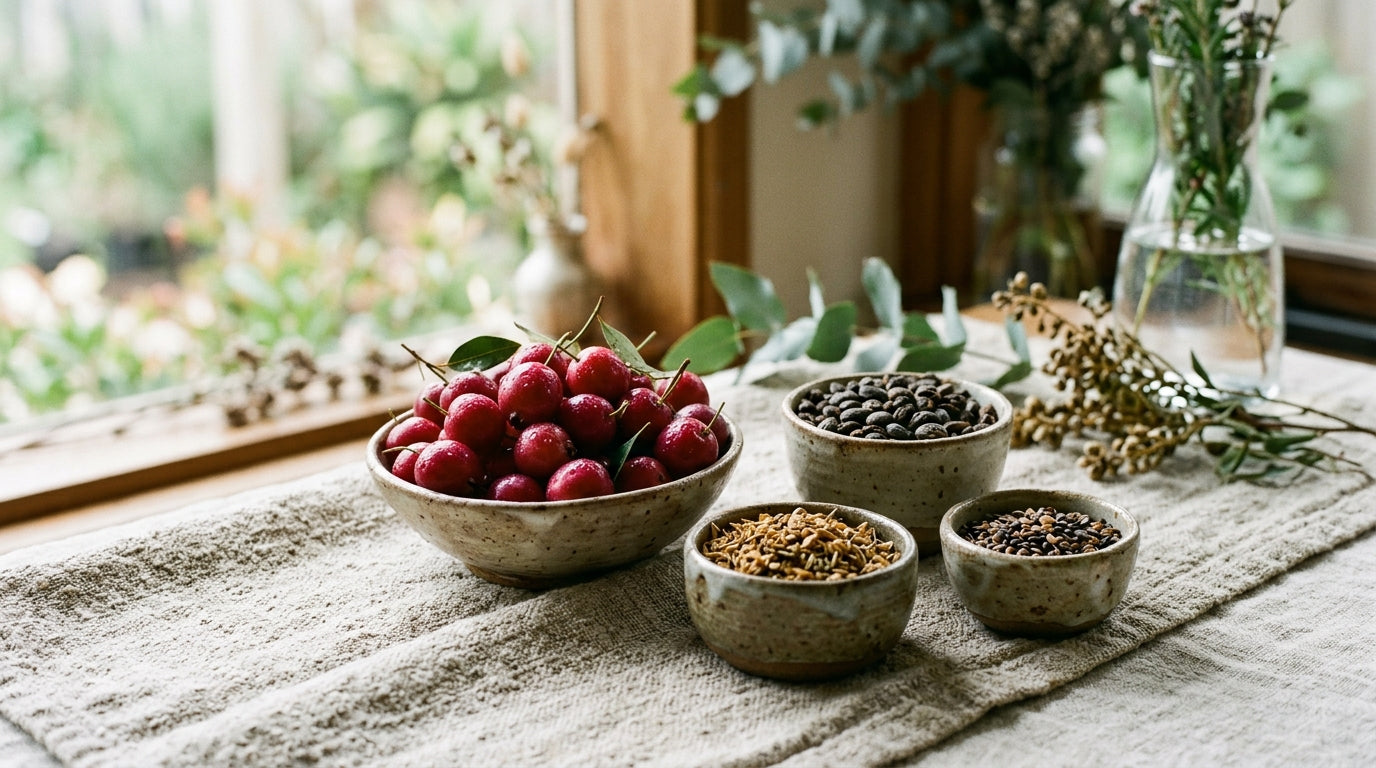
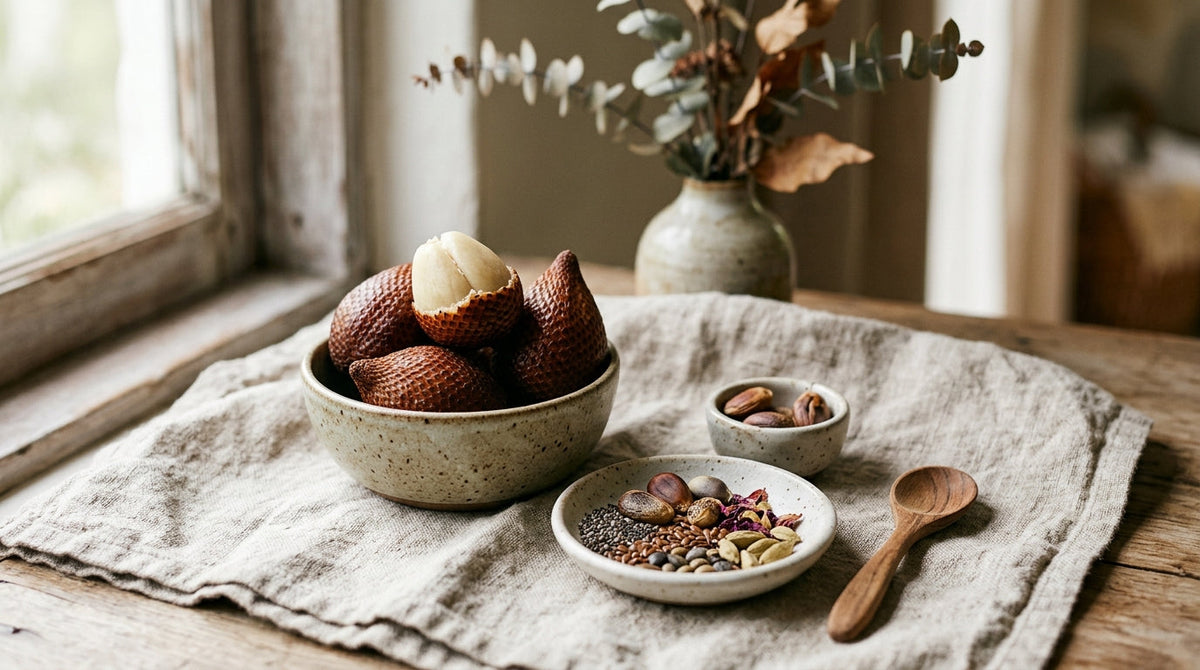
Sacha panca (ají panca, Capsicum chinense) seeds contain capsaicinoids, carotenoids such as capsanthin and beta-carotene, and phenolic compounds that modulate inflammation through TRPV1 receptor activation and NF-κB pathway inhibition. No peer-reviewed studies have been published specifically on sacha panca seeds, but extensive research on closely related Capsicum chinense varieties confirms their antioxidant, anti-inflammatory, and analgesic bioactivities attributable to these shared phytochemical constituents.

Origin
Sacha Panca is a nutrient-dense seed native to the Amazon rainforest regions of Peru, Ecuador, and Colombia, now also cultivated in tropical areas worldwide. It thrives in well-drained, acidic soils, supporting its vining growth habit. Historically revered by Indigenous Amazonian communities, Sacha Panca is valued for its exceptional nutritional density and health-promoting properties.
Potential benefits
- Supports cardiovascular health by reducing cholesterol levels and improving arterial flexibility.
- Enhances cognitive function through its high omega-3 content, supporting neural integrity and mental clarity.
- Promotes weight management by providing satiating protein and healthy fats, aiding in appetite control.
- Strengthens immune function with its rich profile of antioxidant-rich compounds.
- Aids in anti-inflammatory responses, effectively reducing systemic inflammation.
- Contributes to skin health improvement, digestive support, and metabolic regulation.
How it works
Capsaicinoids in sacha panca seeds—primarily capsaicin and dihydrocapsaicin—bind and activate the transient receptor potential vanilloid 1 (TRPV1) ion channel on sensory neurons, triggering calcium influx that initially stimulates and subsequently desensitizes nociceptive signaling, producing analgesic and thermogenic effects. Downstream of TRPV1 activation, capsaicin suppresses IκB kinase (IKK)-mediated phosphorylation of IκBα, thereby inhibiting nuclear translocation of NF-κB and reducing transcription of pro-inflammatory mediators including TNF-α, IL-1β, IL-6, and cyclooxygenase-2 (COX-2). Carotenoids present in the seeds—particularly capsanthin, capsorubin, and beta-carotene—act as singlet oxygen quenchers and lipid peroxyl radical scavengers, protecting cellular membranes from oxidative damage and modulating Nrf2/ARE-dependent antioxidant enzyme expression (e.g., heme oxygenase-1, superoxide dismutase). Phenolic acids and flavonoids in the seed matrix further contribute to antioxidant capacity and may synergistically enhance capsaicinoid bioavailability through inhibition of intestinal efflux transporters.
What the research says
Limited clinical research exists specifically on Sacha Panca seeds, with most evidence derived from preliminary studies on lipid profile improvements in small cohorts. Observational studies suggest cardiovascular benefits similar to other omega-3 rich seeds, but randomized controlled trials are lacking. Current evidence is primarily based on nutritional analysis and extrapolation from similar Amazonian seeds rather than robust clinical trials. More rigorous human studies are needed to establish therapeutic efficacy and optimal dosing protocols.
Safety and interactions
Capsaicinoids from sacha panca seeds may potentiate the effects of anticoagulant and antiplatelet medications (e.g., warfarin, aspirin) by inhibiting platelet aggregation, warranting caution in patients on blood-thinning therapy. Capsaicin is a known inhibitor of cytochrome P450 enzymes CYP1A2, CYP2C9, and CYP3A4, which may alter the metabolism and plasma concentrations of drugs processed through these pathways, including theophylline, certain NSAIDs, and some statins. Gastrointestinal irritation, heartburn, and mucosal inflammation may occur with high-dose ingestion, particularly in individuals with pre-existing gastritis, GERD, or peptic ulcer disease. Pregnant and breastfeeding women should consult a healthcare provider before consuming concentrated sacha panca seed extracts, as capsaicinoid safety data in these populations is limited.
Suggested use
- Common Forms: Whole roasted seeds, cold-pressed oil, protein powder, dietary supplements.
- Dosage: 1–2 servings daily (e.g., 10–15g roasted seeds or 1–2 tablespoons of oil) for cardiovascular, cognitive, and overall wellness support.
- Preparation: Enjoy roasted seeds as a snack, incorporate the oil into salads and smoothies, or use protein powder in shakes and baking.
- Timing: Can be consumed at any time of day, often with meals to enhance nutrient absorption.
Frequently asked questions
How do sacha panca seeds reduce inflammation in the body?
Sacha panca seeds contain capsaicinoids that inhibit the NF-κB signalling pathway by suppressing IκB kinase (IKK)-mediated phosphorylation of IκBα. This prevents nuclear translocation of NF-κB, reducing transcription of pro-inflammatory mediators including TNF-α, IL-1β, IL-6, and COX-2. Additionally, carotenoids such as capsanthin and beta-carotene contribute antioxidant activity that neutralises free radicals involved in chronic inflammation. While no studies have been published specifically on sacha panca seeds, these mechanisms are well-documented across closely related Capsicum chinense varieties sharing the same phytochemical profile.
Can sacha panca seeds support heart health?
Sacha panca seeds may support cardiovascular health through multiple mechanisms. Capsaicinoids in Capsicum chinense varieties have been associated with improved lipid profiles, including reductions in LDL cholesterol, and enhanced arterial flexibility. The seeds also provide healthy fats and antioxidant carotenoids that help combat oxidative stress, a key driver of cardiovascular disease. A common daily intake of 10–15g of roasted seeds or 1–2 tablespoons of cold-pressed oil is suggested for general wellness support, though individual cardiovascular needs should be assessed by a healthcare professional.
What is the TRPV1 mechanism behind sacha panca's analgesic effects?
Capsaicin and dihydrocapsaicin in sacha panca seeds bind to the TRPV1 ion channel on sensory neurons, triggering calcium influx. This initially stimulates nociceptive signalling, producing a burning sensation, but sustained or repeated activation causes receptor desensitisation, ultimately reducing pain signal transmission. This dual-phase mechanism underlies the analgesic properties observed with capsaicinoid-rich Capsicum chinense preparations. While specific studies on sacha panca seeds are lacking, this TRPV1-mediated pathway is extensively validated in broader Capsicum research.
How much sacha panca should I take daily for health benefits?
Current general guidance suggests consuming 1–2 servings daily, equivalent to approximately 10–15g of roasted seeds or 1–2 tablespoons of cold-pressed sacha panca oil. These can be taken at any time of day, though consuming them with meals may enhance nutrient absorption, particularly for fat-soluble carotenoids like beta-carotene and capsanthin. Protein powder derived from sacha panca seeds can also be incorporated into shakes or baking. No clinically established dosage exists specifically for sacha panca, so starting conservatively is advised, particularly for those sensitive to capsaicinoids.
Does sacha panca help with appetite control and weight management?
Sacha panca seeds may support weight management through two complementary pathways. First, capsaicinoids activate TRPV1 receptors, producing thermogenic effects that can modestly increase energy expenditure and fat oxidation, a mechanism well-studied in Capsicum chinense varieties. Second, the seeds' protein and healthy fat content promotes satiety, helping regulate appetite between meals. While direct clinical trials on sacha panca seeds for weight management are absent, these mechanisms are consistent with existing Capsicum research and make sacha panca a plausible addition to a balanced weight management strategy.
Are there any side effects of taking sacha panca seed supplements?
Sacha panca seeds contain capsaicinoids that may cause gastrointestinal discomfort, including heartburn, nausea, or stomach irritation, particularly when consumed in high amounts or by individuals with sensitive digestive systems. Topical or mucosal exposure to concentrated capsaicinoid preparations can cause intense burning sensations. People with peptic ulcers, irritable bowel syndrome, or gastroesophageal reflux disease should exercise caution. Starting with smaller serving sizes—such as 5g of roasted seeds—and consuming with food is recommended to minimise adverse effects. No sacha panca-specific safety studies currently exist; guidance is extrapolated from broader Capsicum chinense research.
Can I take sacha panca with other anti-inflammatory supplements?
Sacha panca seeds may complement other anti-inflammatory supplements such as omega-3 fatty acids, turmeric (curcumin), or boswellia, as their mechanisms differ and may act synergistically. Capsaicinoids primarily target the NF-κB and TRPV1 pathways, while curcumin also inhibits NF-κB and COX-2, and omega-3s modulate eicosanoid production. Combining these may offer broader anti-inflammatory coverage. However, no specific interaction studies exist for sacha panca in combination with other supplements. Those on anti-inflammatory medications, blood thinners, or antiplatelet drugs should consult a healthcare provider before combining Capsicum-based supplements.
What antioxidants are found in sacha panca seeds and what do they do?
Sacha panca seeds, as a Capsicum chinense variety, contain several key antioxidants including capsanthin, beta-carotene, and phenolic compounds. Capsanthin is a carotenoid pigment that neutralises reactive oxygen species (ROS) and may protect cells from oxidative damage linked to ageing and chronic disease. Beta-carotene serves as a precursor to vitamin A, supporting immune function and skin health. Phenolic compounds further contribute to free radical scavenging and may support anti-inflammatory responses. Together, these compounds provide a multi-layered antioxidant defence relevant to cardiovascular, immune, and metabolic health.
What are sacha panca seeds and how are they used?
Sacha panca seeds are the seeds of the ají panca pepper (Capsicum chinense), a dried Peruvian chili prized for its deep burgundy color and mild, fruity heat. They are traditionally used in Peruvian cuisine as a seasoning paste and are increasingly studied for their capsaicinoid, carotenoid, and polyphenol content, which may confer antioxidant and anti-inflammatory health benefits.
What are the health benefits of Peruvian peppers like ají panca?
Peruvian peppers such as ají panca are rich in vitamin C, vitamin A (from beta-carotene), capsaicinoids, and antioxidant carotenoids like capsanthin. These compounds support immune function, reduce systemic inflammation through NF-κB inhibition, promote cardiovascular health by improving lipid profiles, and may aid in weight management via capsaicin-induced thermogenesis.
References
- https://www.ncbi.nlm.nih.gov/search/all/?term=Sacha+Panca
- https://fdc.nal.usda.gov/fdc-app.html#/search?query=Sacha+Panca
- https://www.ncbi.nlm.nih.gov/pmc/articles/PMC4012877/
- https://www.sciencedirect.com/science/article/pii/S0308814613019200
This article is educational and is not medical advice. Statements have not been evaluated by the FDA and are not intended to diagnose, treat, cure, or prevent any disease. Consult a healthcare professional before use.