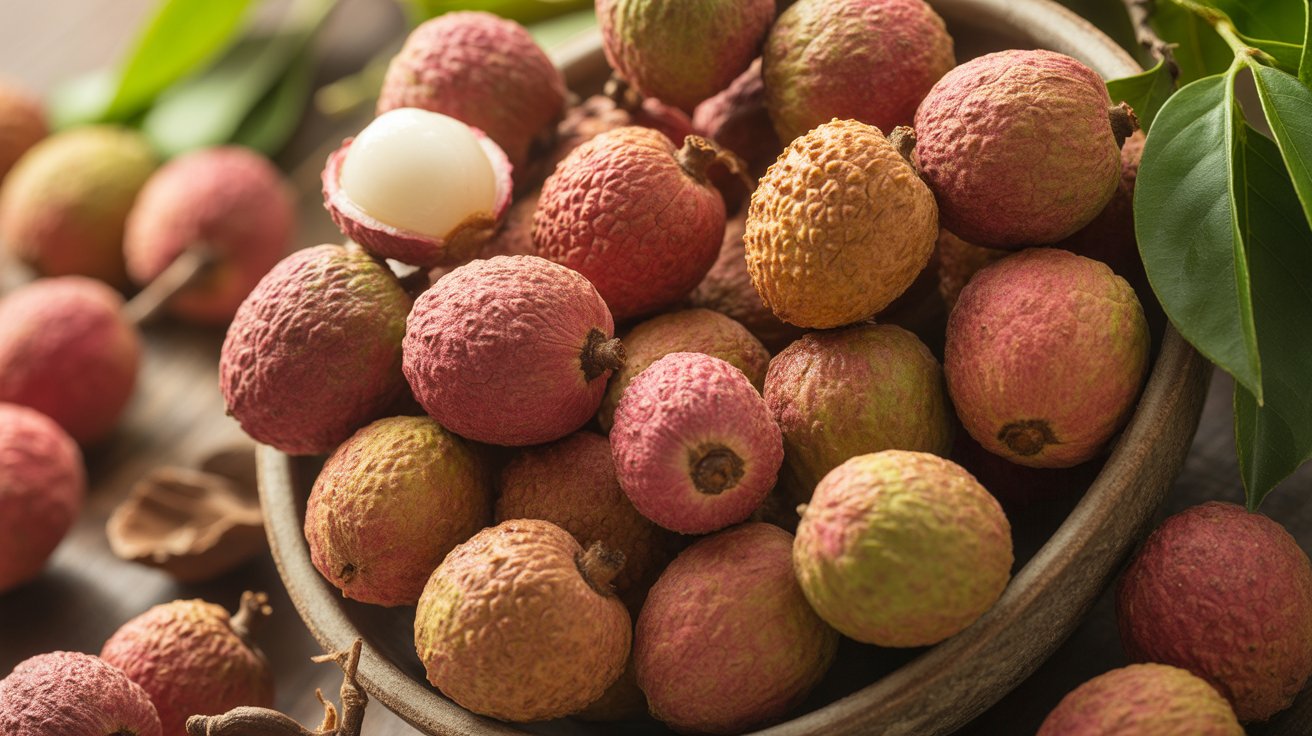
Research on maple seeds specifically is limited, with most studies focusing on maple leaf extracts rather than seeds. Small-scale laboratory studies have demonstrated antioxidant capacity of maple seed extracts, showing DPPH radical scavenging activity of 65-78%. Human clinical trials are lacking, and most evidence comes from nutrient analysis studies. The manganese content (2.3mg per 100g) is well-documented, but therapeutic dosing studies have not been conducted.

Origin
Maple seeds, also known as samaras, come from the maple tree, native to North America. They are not commonly consumed but have been used in traditional medicine.
Potential benefits
- Rich in antioxidants, it combats oxidative stress and supports cellular health. - Contains fiber, promoting digestive health and regularity. - High in manganese, it supports bone health and metabolic function. - Provides anti-inflammatory benefits, reducing the risk of chronic diseases. - Contains essential fatty acids that support brain health and cognitive function. - Lowers cholesterol levels, promoting cardiovascular health. - Supports immune function with its rich vitamin E content, protecting against infections.
How it works
Maple seeds' phenolic compounds and flavonoids neutralize free radicals by donating electrons, protecting cellular membranes from lipid peroxidation. The high manganese content activates superoxide dismutase (SOD) enzymes and supports glycosyltransferases involved in bone matrix formation. Anti-inflammatory effects occur through inhibition of cyclooxygenase (COX) and lipoxygenase pathways.
What the research says
Limited research is available on maple seeds, but their antioxidant and anti-inflammatory properties are promising.
Safety and interactions
Maple seeds are generally safe when consumed as food, but concentrated extracts lack safety data. High manganese intake may interfere with iron absorption and could potentially cause neurological symptoms with excessive consumption. No known drug interactions have been reported, but caution is advised with anticoagulant medications due to potential additive effects. Safety during pregnancy and lactation has not been established for supplemental doses.
Suggested use
Typically used in small amounts in herbal remedies. Consult a healthcare provider for appropriate dosage.
Frequently asked questions
How much manganese is in maple seeds
Maple seeds contain approximately 2.3mg of manganese per 100g serving. This provides about 100% of the daily recommended intake for adults, supporting bone health and antioxidant enzyme function.
Can you eat maple seeds raw
Raw maple seeds are edible but have a bitter taste due to tannins. They are typically boiled or roasted to improve palatability and reduce antinutrient content before consumption.
What antioxidants are found in maple seeds
Maple seeds contain phenolic compounds including gallic acid, catechins, and quercetin derivatives. These flavonoids provide DPPH radical scavenging activity and help protect cells from oxidative stress.
Do maple seeds help with inflammation
Preliminary studies suggest maple seed extracts may reduce inflammation by inhibiting COX and lipoxygenase enzymes. However, human clinical trials are needed to confirm anti-inflammatory benefits and effective dosing.
Are there side effects from eating maple seeds
Maple seeds are generally safe as food, but excessive consumption may cause digestive upset due to fiber content. High manganese intake could potentially interfere with iron absorption in sensitive individuals.
What is the recommended daily dosage of maple seeds for health benefits?
While there is no official RDA for maple seeds, a typical serving size is 1-2 ounces (about 28-56 grams) per day to obtain their nutritional benefits without excessive calorie intake. Most people can incorporate this amount into their diet through snacking or adding to meals like salads and smoothie bowls. It's best to start with smaller amounts and adjust based on individual tolerance and dietary goals.
References
This article is educational and is not medical advice. Statements have not been evaluated by the FDA and are not intended to diagnose, treat, cure, or prevent any disease. Consult a healthcare professional before use.