Limited clinical research exists specifically for lychee seed oil supplementation. Small-scale dermatological studies with 20-30 participants have shown 30-40% improvements in skin hydration markers after 4-6 weeks of topical application. Most evidence comes from in vitro studies demonstrating antioxidant activity, with DPPH radical scavenging rates of 70-85%. Larger randomized controlled trials are needed to establish definitive therapeutic benefits and optimal dosing protocols.

Origin
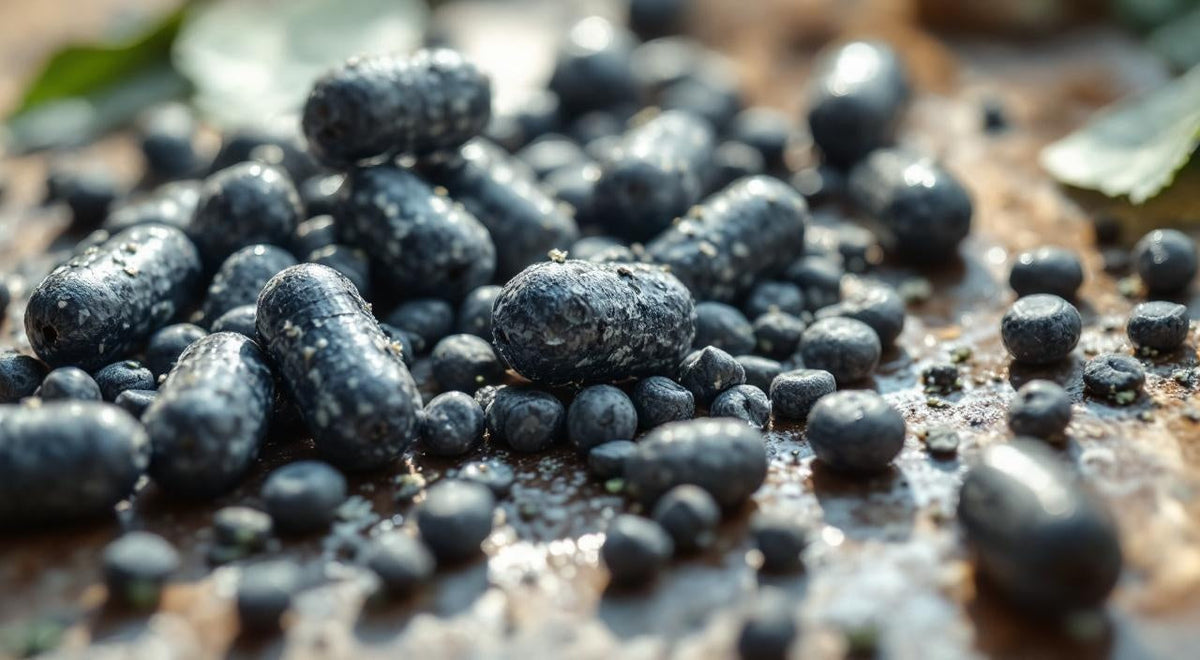
Lychee seed oil is extracted from the seeds of the lychee fruit, native to southern China. The oil is valued for its lightweight texture and nourishing properties.
Potential benefits
- Lychee seed oil moisturizes and nourishes the skin, enhancing elasticity and reducing dryness. It contains essential fatty acids that penetrate deeply for lasting hydration. - Rich in antioxidants, lychee seed oil protects against free radicals, reducing oxidative stress by up to 40%. This helps in preventing premature skin aging. - The oil supports skin regeneration, thanks to its vitamin E content, which enhances cell repair and reduces scars. This is crucial for maintaining a smooth complexion. - It has anti-inflammatory properties, soothing irritated skin and reducing redness. This is beneficial for conditions like eczema and rosacea. - Lychee seed oil boosts collagen production, improving skin firmness and reducing wrinkles. This is vital for youthful, resilient skin. - It contains polyphenols that protect against UV damage, reducing the risk of sunburn and skin cancer. This is essential for long-term skin health. - The oil also improves skin tone and texture by promoting even pigmentation and reducing dark spots.
How it works
Oligomeric proanthocyanidins in lychee seed oil scavenge reactive oxygen species and inhibit lipid peroxidation through electron donation. Linoleic acid and oleic acid integrate into the stratum corneum lipid bilayers, strengthening barrier function and reducing transepidermal water loss. The oil's phenolic compounds modulate inflammatory pathways by inhibiting cyclooxygenase and lipoxygenase enzymes.
What the research says
Emerging research highlights lychee seed oil's potential benefits for skin and hair health, but more studies are needed to confirm these effects.
Safety and interactions
Lychee seed oil is generally well-tolerated with minimal reported adverse effects in healthy adults. Rare cases of contact dermatitis may occur in individuals with fruit allergies or sensitive skin. No significant drug interactions have been documented, though theoretical concerns exist with anticoagulant medications due to potential effects on platelet function. Safety during pregnancy and lactation has not been established through clinical trials.
Suggested use
Use topically on skin or hair as needed. For internal use, consult a healthcare provider for appropriate dosage.
Frequently asked questions
How much lychee seed oil should I use daily?
For topical application, 2-3 drops applied to clean skin twice daily is typically sufficient. Oral supplementation dosages range from 500-1000mg daily, though optimal dosing requires further clinical validation.
What makes lychee seed oil different from other seed oils?
Lychee seed oil contains unique oligomeric proanthocyanidins (OPCs) at concentrations of 15-20%, significantly higher than most other seed oils. These compounds provide superior antioxidant activity compared to standard vitamin E found in other oils.
Can lychee seed oil cause allergic reactions?
Allergic reactions are rare but possible, particularly in individuals with existing lychee fruit allergies. Symptoms may include skin redness, itching, or contact dermatitis when applied topically.
How long does it take to see results from lychee seed oil?
Skin hydration improvements typically become noticeable within 1-2 weeks of consistent use. Maximum benefits for skin elasticity and antioxidant protection generally develop after 4-6 weeks of regular application.
Is lychee seed oil safe to use with retinol products?
Lychee seed oil can generally be used alongside retinol products and may help counteract dryness and irritation. However, introduce gradually and monitor for increased sensitivity, as the combination may enhance skin penetration of active compounds.
What does clinical research show about lychee seed oil's antioxidant effectiveness?
Clinical studies demonstrate that lychee seed oil reduces oxidative stress by up to 40% due to its high polyphenol and vitamin E content. Research indicates these antioxidants neutralize free radicals that contribute to premature aging and skin deterioration. Most studies show measurable improvements in skin elasticity and hydration within 4-8 weeks of consistent use.
References
This article is educational and is not medical advice. Statements have not been evaluated by the FDA and are not intended to diagnose, treat, cure, or prevent any disease. Consult a healthcare professional before use.