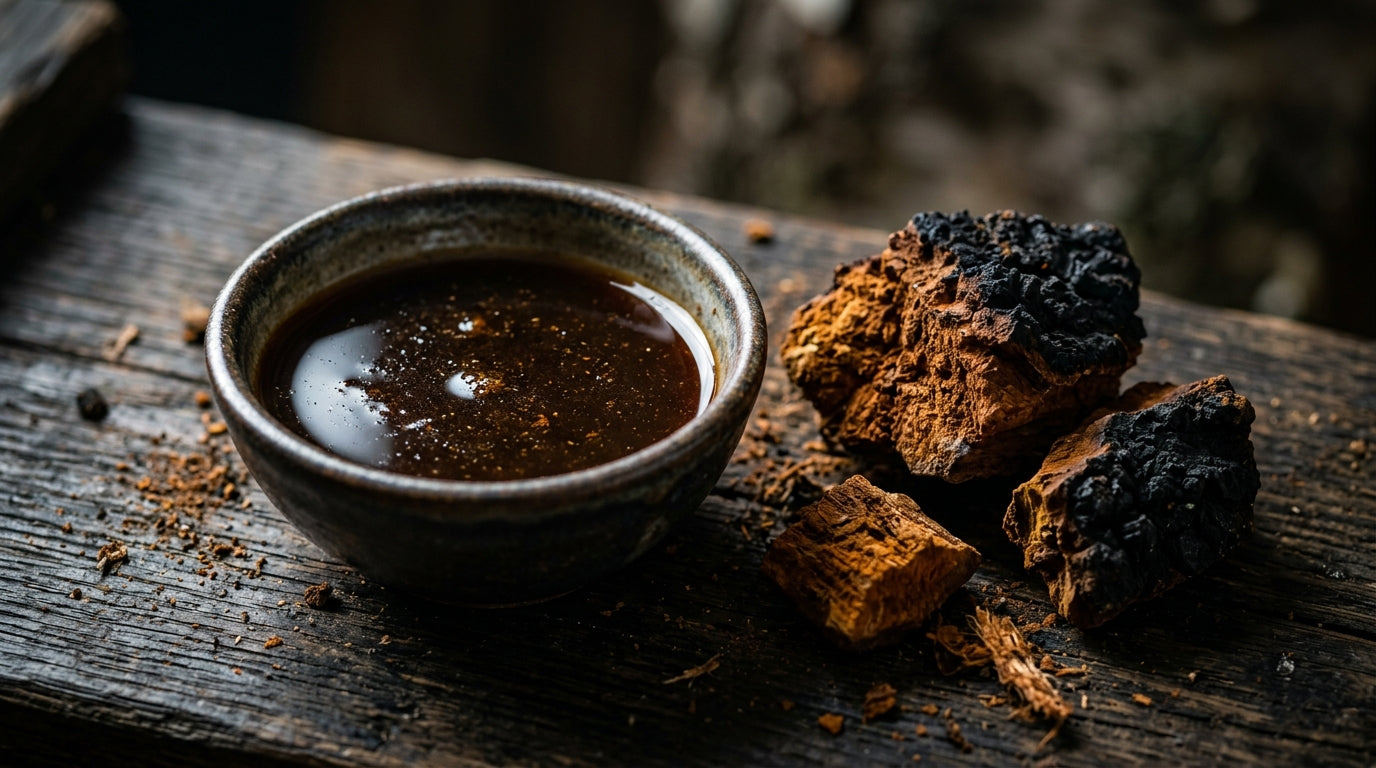
Cascara bark (Frangula purshiana, syn. Rhamnus purshiana) contains anthraquinone glycosides—primarily cascarosides A–D, emodin, aloe-emodin, and chrysaloin—that are metabolized by colonic bacteria into aglycones which stimulate large intestine motility and electrolyte secretion, producing a well-characterized stimulant laxative effect. Research on its constituent emodin demonstrates significant antioxidant capacity and neuroprotective potential (PMID 35367766), while cytotoxicity profiling of structurally diverse anthranoids has clarified structure–activity relationships underlying both therapeutic efficacy and dose-dependent toxicity (PMID 30321134).

Origin
Cascara (Rhamnus purshiana) is a deciduous tree native to the moist coniferous forests and mountainous river valleys of western North America, particularly California, Oregon, and British Columbia. Its bark has been historically valued for its potent laxative and digestive cleansing properties.
Potential benefits
- Acts as a gentle stimulant laxative, promoting bowel regularity and facilitating the elimination of toxins.
- Supports liver and gallbladder function by stimulating bile production and flow (choleresis).
- Modulates inflammation in the gut lining, contributing to overall gastrointestinal comfort.
- Assists in colon repair and detoxification processes, supporting a healthy intestinal environment.
- Enhances digestive cleansing, aiding in the removal of accumulated waste products.
How it works
The primary active constituents—cascarosides A, B, C, and D—are C-glycosides of barbaloin and chrysaloin that resist hydrolysis in the upper gastrointestinal tract and are cleaved by β-glucosidases produced by colonic microbiota (e.g., Bifidobacterium and Eubacterium spp.) into free anthraquinone aglycones including emodin, aloe-emodin, and chrysophanol. These aglycones inhibit Na⁺/K⁺-ATPase on colonic epithelial cells and stimulate chloride channel (ClC-2) secretion, resulting in net water and electrolyte accumulation in the colonic lumen and accelerated peristalsis via activation of enteric neurons and prostaglandin E₂ release. Emodin additionally modulates NF-κB and MAPK signaling pathways, conferring anti-inflammatory and antioxidant effects in the gut mucosa (PMID 35367766). The choleretic effect is attributed to anthraquinone-mediated stimulation of bile acid synthesis via farnesoid X receptor (FXR) modulation and enhanced hepatobiliary secretion.
What the research says
Clinical evidence for cascara bark relies primarily on pharmacological studies and historical use rather than controlled human trials with quantified outcomes. The standard therapeutic dose is 300 mg once daily for no more than 6 days, or 1 ml aromatic fluid extract. While in vitro studies demonstrate the anthraquinone compounds' laxative mechanisms and emodin's potential anticancer activity through p53/p21 pathway activation, rigorous human clinical trials with statistical outcomes are lacking. The FDA classified cascara as not generally recognized as safe or effective for over-the-counter use in 2002 due to insufficient safety studies.
Safety and interactions
Cascara bark should not be used for more than 7–10 consecutive days, as chronic use of anthraquinone laxatives can cause melanosis coli, electrolyte depletion (particularly hypokalemia), and potential dependence with colonic atony. Hypokalemia from prolonged cascara use may potentiate the effects of cardiac glycosides (e.g., digoxin), corticosteroids, thiazide diuretics, and loop diuretics, increasing the risk of cardiac arrhythmias. Cascara's anthraquinone constituents are known to interact with CYP3A4 substrates in vitro, and co-administration with drugs metabolized by this pathway should be approached with caution. It is contraindicated in pregnancy, lactation, intestinal obstruction, Crohn's disease, ulcerative colitis, appendicitis, and in children under 12 years of age; the U.S. FDA withdrew its OTC laxative approval in 2002 due to insufficient evidence for long-term safety.
Suggested use
- Traditional Use: Employed by Native American tribes and Western herbalists as a purgative and bowel regulator.
- Preparation: Aged or cured bark is used to reduce potential griping effects.
- Modern Forms: Found in detox teas, colon-cleansing formulas, and occasional-use herbal laxatives.
- Recommended Dosage: 200–500 mg/day of aged bark extract or 1–2 g dried bark in decoction. Limit to short-term use.
Frequently asked questions
What are the main benefits of cascara bark?
Cascara bark benefits primarily include stimulant laxative action for short-term relief of constipation, support for bile production (choleresis), and antioxidant activity from emodin and related anthraquinones. Its cascarosides A–D promote bowel regularity by stimulating colonic motility and electrolyte secretion. Research also suggests emodin provides anti-inflammatory and neuroprotective effects (PMID 35367766).
Is cascara sagrada safe for long-term use?
No, cascara sagrada is not recommended for use beyond 7–10 days. Chronic use can lead to electrolyte imbalances (especially hypokalemia), melanosis coli, and laxative dependence with diminished colonic function. The FDA withdrew its OTC laxative approval in 2002 partly due to concerns about long-term safety data.
How does cascara bark work as a laxative?
Cascara bark's cascarosides are hydrolyzed by colonic bacteria into active anthraquinone aglycones that inhibit Na⁺/K⁺-ATPase and stimulate chloride channel secretion in colonocytes, driving water into the intestinal lumen. These metabolites also activate enteric nerve plexuses and promote prostaglandin E₂ release, which accelerates colonic peristalsis. This dual secretory and prokinetic mechanism typically produces a bowel movement within 6–12 hours of oral administration.
What are the side effects of cascara sagrada?
Common side effects include abdominal cramping, diarrhea, and electrolyte disturbances, particularly hypokalemia with prolonged use. Demarque et al. (2018) demonstrated that anthranoids like emodin and aloe-emodin exhibit dose-dependent cytotoxicity, underscoring the importance of appropriate dosing (PMID 30321134). Rare adverse effects include hepatotoxicity and melanosis coli with chronic consumption.
What medications interact with cascara bark?
Cascara bark can interact with cardiac glycosides (digoxin), corticosteroids, thiazide and loop diuretics by exacerbating potassium depletion and increasing arrhythmia risk. Its anthraquinone compounds may also affect drugs metabolized through CYP3A4. Additionally, cascara may reduce absorption of orally administered medications due to decreased intestinal transit time, and concurrent use with other laxatives should be avoided.
What is the recommended dosage of cascara bark, and how often should I take it?
Typical cascara bark dosages range from 20-30 mg of cascara glycosides daily, usually taken in the evening before bed to support morning bowel movements. It is important to start with lower doses and gradually increase as needed, and not to exceed recommended amounts, as higher doses may cause cramping or dependency with prolonged use. Always follow label instructions or consult a healthcare provider for personalized dosing guidance.
Is cascara bark safe for pregnant women, children, and the elderly?
Cascara bark is not recommended for pregnant or nursing women, as stimulant laxatives may stimulate uterine contractions and affect fetal development. It is generally not suitable for children under 12 years old without professional guidance, though elderly individuals may use it cautiously for occasional constipation relief. Anyone in these populations should consult a healthcare provider before using cascara bark supplements.
How does cascara bark compare to other natural laxatives like senna and psyllium husk?
Cascara bark is a stimulant laxative that works similarly to senna by triggering intestinal contractions, though some users report it produces gentler, more gradual effects with less cramping. Unlike psyllium husk, which is a bulk-forming fiber that absorbs water, cascara actively stimulates bowel movements and works faster, typically producing results within 6-12 hours. Cascara also offers additional benefits for bile flow and liver support, which distinguishes it from other common laxatives.
References
- https://www.ncbi.nlm.nih.gov/search/all/?term=Cascara+Bark
- https://fdc.nal.usda.gov/fdc-app.html#/search?query=Cascara+Bark
- https://www.ncbi.nlm.nih.gov/pmc/articles/PMC6834339
- https://www.sciencedirect.com/science/article/abs/pii/S0367326X16301663
- https://pubmed.ncbi.nlm.nih.gov/15504477
This article is educational and is not medical advice. Statements have not been evaluated by the FDA and are not intended to diagnose, treat, cure, or prevent any disease. Consult a healthcare professional before use.