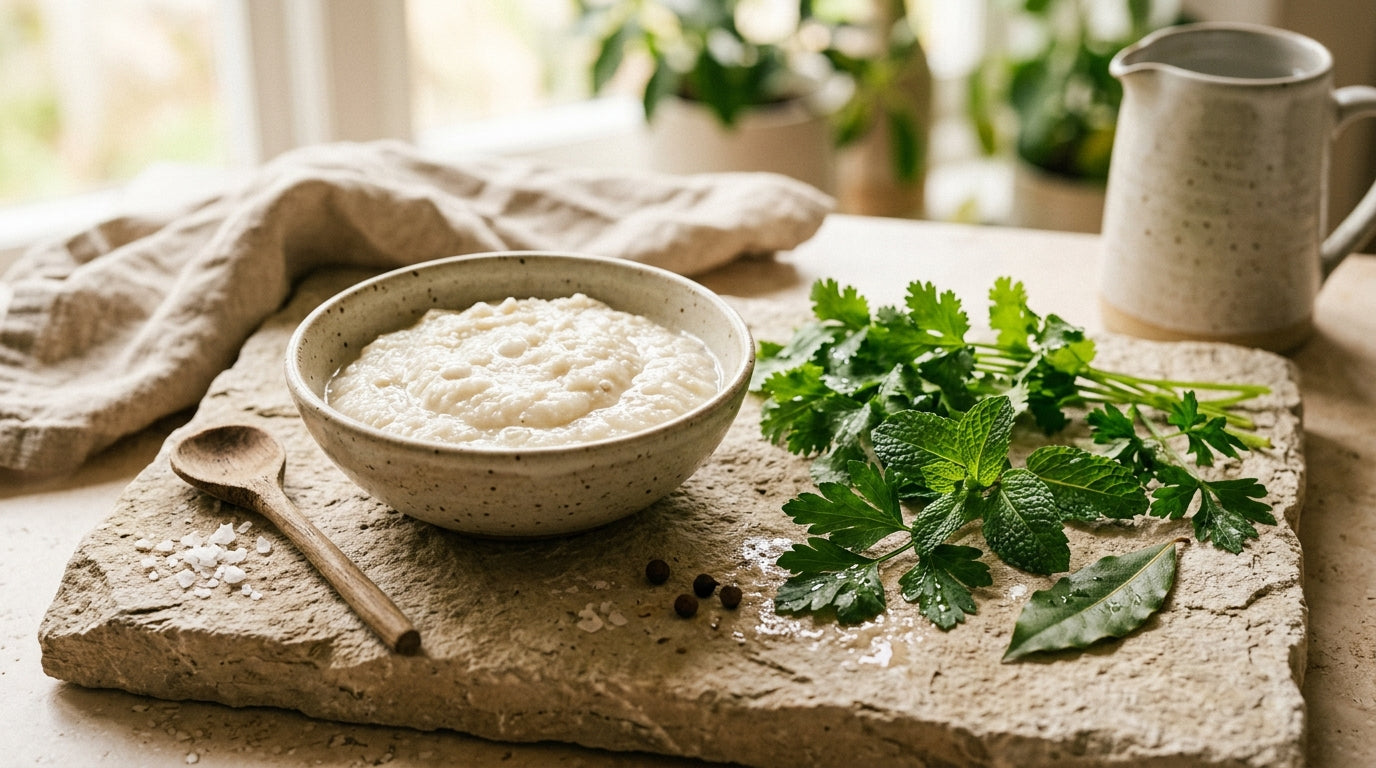
While Corkwood (*Duboisia myoporoides*) itself lacks reported human clinical trials in available research, its extracted compounds are clinically significant. Hyoscyamine serves as a precursor for hyoscine-n-butyl-bromide, a well-established antispasmodic agent used for conditions like abdominal cramps. Commercial applications primarily focus on the extraction and pharmaceutical use of these purified alkaloids rather than direct plant use.

Origin
Corkwood (scientific name varies by species, e.g., Hakea spp. or Erythrophleum spp.) is a botanical native to tropical and subtropical regions of Africa and Australia, thriving in well-drained, nutrient-rich soils. It is traditionally revered in Indigenous Australian and African medicine for its potent anti-inflammatory, immune-boosting, and neuroprotective properties. Its rich bioactive profile makes it valuable for systemic resilience and cognitive support.
Potential benefits
- Supports immune function through its antimicrobial and antiviral compounds.
- Enhances cognitive performance by reducing oxidative stress and supporting neurotransmitter function.
- Promotes cardiovascular health by improving circulation and reducing inflammation.
- Regulates blood sugar levels by enhancing insulin sensitivity.
- Provides respiratory benefits as a bronchodilator and anti-inflammatory agent.
- Supports joint health and liver detoxification through its anti-inflammatory properties.
How it works
The primary bioactive compounds in Corkwood, hyoscyamine and scopolamine, are tropane alkaloids that function as muscarinic acetylcholine receptor antagonists. By blocking acetylcholine binding, they inhibit parasympathetic nerve impulses, reducing smooth muscle spasms and secretions. This anticholinergic action is leveraged in pharmaceutical applications for conditions like abdominal cramps.
What the research says
Preliminary studies highlight Corkwood's antioxidant, neuroprotective, and metabolic benefits. Research indicates its potential in modulating inflammatory pathways and supporting cognitive function. Further human clinical trials are needed to fully elucidate its therapeutic applications.
Safety and interactions
Due to its potent tropane alkaloids, Corkwood ingestion can lead to significant anticholinergic side effects including dry mouth, blurred vision, constipation, urinary retention, increased heart rate, and central nervous system effects like confusion or hallucinations, especially at higher doses. It should not be used concurrently with other anticholinergic medications, tricyclic antidepressants, antihistamines, or certain antipsychotics, as this could exacerbate side effects. Contraindications include glaucoma, prostatic hypertrophy, paralytic ileus, and myasthenia gravis. Use in pregnancy and lactation is strongly contraindicated due to potential harm to the fetus or infant.
Suggested use
- Traditionally consumed as a tea or decoction for immune and respiratory support.
- Used as a powdered extract or tincture in modern adaptogenic formulations.
- Applied topically for joint pain, inflammation, and wound healing.
- Recommended dosage: 1–2 servings daily in extract or infusion form.
Frequently asked questions
What are the primary active compounds in Corkwood?
The main active compounds in Corkwood (*Duboisia myoporoides*) are tropane alkaloids, specifically hyoscyamine and scopolamine. These potent compounds are responsible for its characteristic pharmacological effects.
How does Corkwood exert its effects?
Corkwood's effects are primarily due to its anticholinergic properties. Hyoscyamine and scopolamine act as antagonists at muscarinic acetylcholine receptors, thereby blocking the action of acetylcholine and leading to antispasmodic and other related effects.
Is Corkwood used directly as a herbal remedy?
While traditionally used in Australian bush medicine, commercial use of Corkwood (*Duboisia myoporoides*) today primarily involves the extraction of its alkaloids for pharmaceutical production. These purified compounds are then used in various medications.
What are the potential side effects of Corkwood?
Due to its potent anticholinergic alkaloids, Corkwood can cause side effects such as dry mouth, blurred vision, constipation, and difficulty urinating. Higher doses can lead to more severe central nervous system effects like confusion or hallucinations, making it potentially toxic.
Are there any clinical trials supporting Corkwood's direct use?
available research does not report human clinical trials specifically on the direct use of Corkwood (*Duboisia myoporoides*) as a whole plant remedy. Clinical evidence focuses on the pharmaceutical applications of its extracted and purified alkaloids, such as hyoscine-n-butyl-bromide.
Is Corkwood safe during pregnancy and breastfeeding?
There is insufficient clinical data on Corkwood's safety during pregnancy and breastfeeding, making it advisable to avoid supplementation during these periods unless under medical supervision. Pregnant and nursing women should consult their healthcare provider before using Corkwood or any bark-derived supplement, as some compounds may affect fetal development or pass into breast milk.
References
This article is educational and is not medical advice. Statements have not been evaluated by the FDA and are not intended to diagnose, treat, cure, or prevent any disease. Consult a healthcare professional before use.