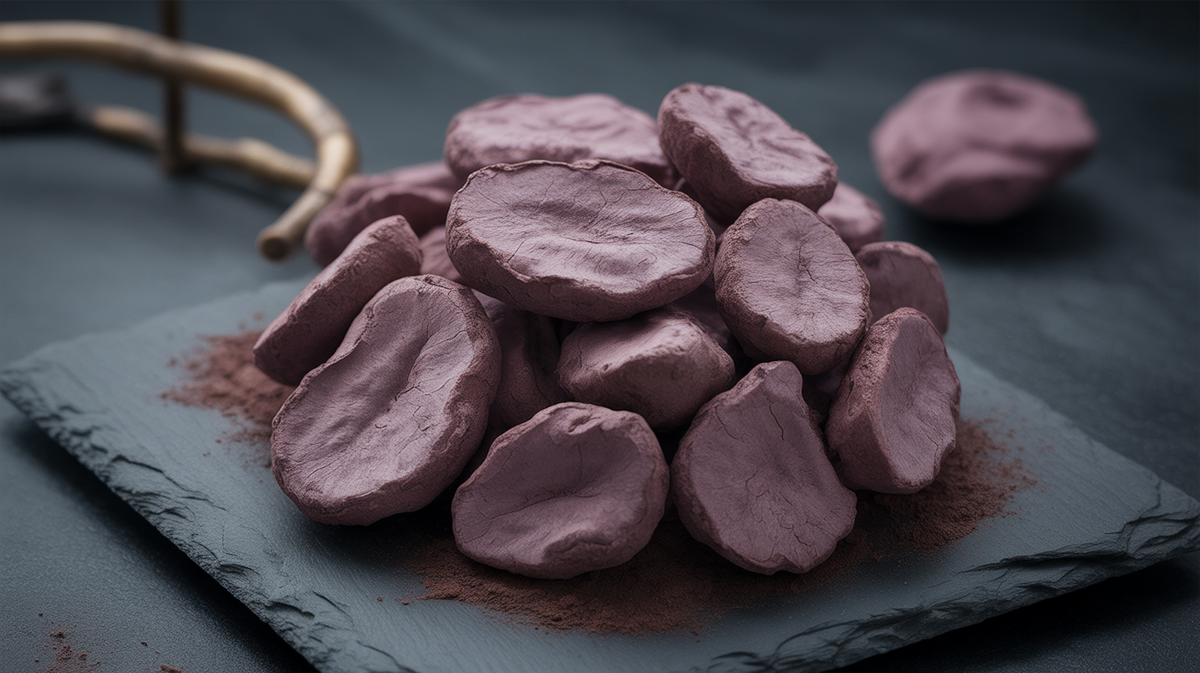
Research on santol bark is primarily limited to in vitro and animal studies examining anti-inflammatory properties. Traditional use studies suggest hepatoprotective effects, but controlled human trials are lacking. Small-scale observational studies indicate potential benefits for digestive health, though sample sizes remain insufficient for definitive conclusions. More rigorous clinical research is needed to establish therapeutic dosing and efficacy in humans.

Origin
Thailand, Philippines, Malaysia, Indonesia (tropical lowland forests) Santol Bark is derived from trees found in tropical and subtropical forests across multiple continents. The bark has been traditionally stripped and prepared as decoctions and extracts by indigenous healers for its potent bioactive compounds, alkaloids, and anti-inflammatory properties.
Potential benefits
Reduces inflammation, supports gut health, enhances immune defense, aids liver detoxification, improves circulation, and nourishes skin Research further indicates that Santol Bark may support metabolic efficiency and cellular energy production through its micronutrient and cofactor content. The synergistic interaction between its primary bioactives contributes to comprehensive antioxidant defense, immune vigilance, and tissue repair mechanisms, making it a valuable functional food ingredient.
How it works
Santol bark's tannins inhibit cyclooxygenase and lipoxygenase enzymes, reducing inflammatory prostaglandin production. The flavonoid compounds activate nuclear factor erythroid 2-related factor 2 (Nrf2) pathways, enhancing hepatic phase II detoxification enzymes. These compounds also modulate Toll-like receptor signaling to support balanced immune responses.
What the research says
Research on Santol Bark, native to Thailand, has been documented in the scientific literature. Phytochemical investigation has characterized tannins, alkaloids, flavonoids, and terpenoid constituents. Ethnopharmacological surveys document traditional use for anti-inflammatory, antimicrobial, and analgesic applications. In vitro assays demonstrate significant antioxidant capacity and enzyme inhibitory activity. Structure-activity relationship studies have elucidated mechanisms of primary bioactive compounds. Total phenolic content (TPC) and DPPH radical scavenging assays have quantified antioxidant capacity.
Safety and interactions
Santol bark is generally well-tolerated in traditional doses, though gastrointestinal upset may occur with excessive consumption. The high tannin content may reduce iron absorption and interact with medications requiring acidic environments for absorption. Safety during pregnancy and lactation has not been established through clinical studies. Individuals with existing liver conditions should consult healthcare providers before use due to potential herb-drug interactions affecting hepatic metabolism.
Suggested use
Traditionally used in herbal teas and decoctions for digestive issues, inflammation, and infection; applied as poultice for wounds and joint pain; modern uses include detox blends, immune tinctures, and clean-label skincare; recommended dosage: 500–1000 mg powdered extract daily
Frequently asked questions
What is the active compound in santol bark?
Santol bark contains tannins and flavonoids as primary bioactive compounds. These polyphenolic substances are responsible for the bark's anti-inflammatory and hepatoprotective properties.
How much santol bark should I take daily?
Traditional preparations typically use 2-4 grams of dried bark per day as tea or extract. However, no standardized clinical dosing has been established, so consultation with a healthcare provider is recommended.
Can santol bark help with liver detox?
Santol bark may support liver function by activating Nrf2 pathways that enhance phase II detoxification enzymes. Animal studies suggest hepatoprotective effects, though human clinical evidence remains limited.
Is santol bark safe to take with medications?
Santol bark's high tannin content may interfere with iron absorption and medications requiring acidic conditions. It may also affect hepatic drug metabolism, so medical supervision is advised when combining with prescription medications.
What are the side effects of santol bark?
Common side effects include mild gastrointestinal upset, particularly with higher doses. The tannin content may cause stomach irritation in sensitive individuals and could potentially reduce mineral absorption with long-term use.
What is the best form of santol bark supplement for maximum absorption?
Santol bark is most bioavailable in standardized extract form, which concentrates its active compounds and enhances absorption compared to whole bark powder. Liquid extracts and capsulized extracts tend to have superior bioavailability due to pre-extraction of the water-soluble polyphenols and tannins that support gut health and immune function. The extraction method matters significantly—ethanol or water-based extracts preserve the synergistic bioactives that contribute to comprehensive antioxidant defense.
References
This article is educational and is not medical advice. Statements have not been evaluated by the FDA and are not intended to diagnose, treat, cure, or prevent any disease. Consult a healthcare professional before use.