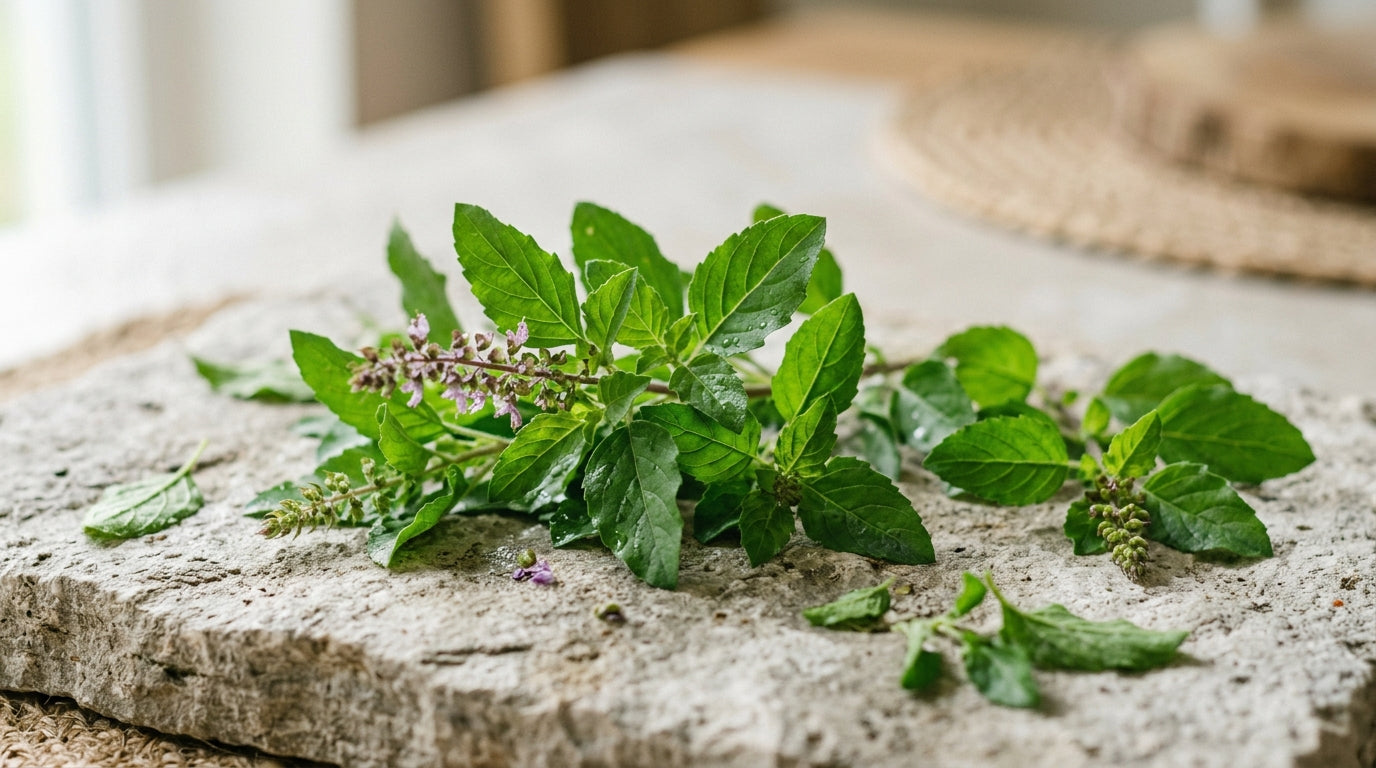
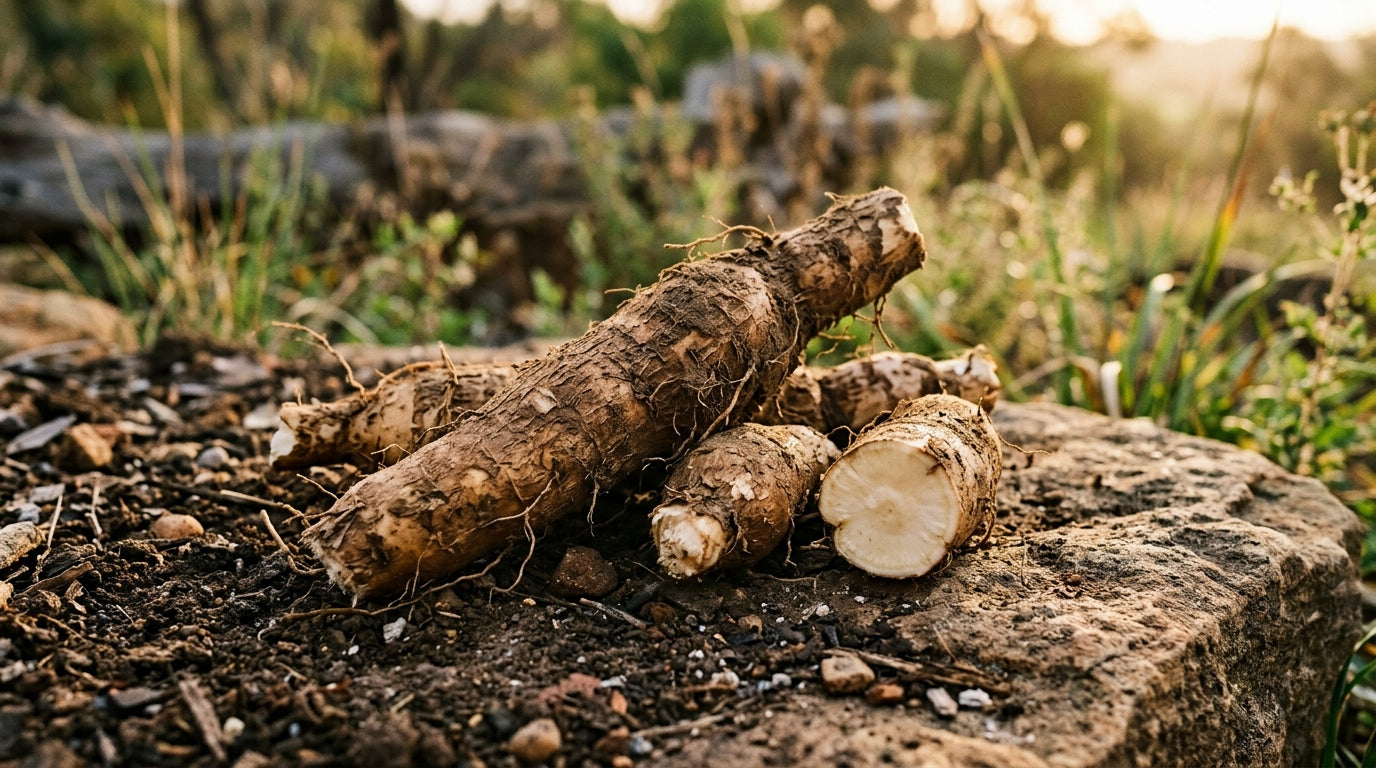
Willow bark (Salix alba) contains salicin, a β-glucopyranoside that is metabolized in the body to salicylic acid, inhibiting COX-2-mediated prostaglandin synthesis and blocking pro-inflammatory cytokines such as TNF-α and NF-κB to reduce pain and inflammation (PMID 14592543; PMID 25997859). A 2015 systematic review in Phytotherapy Research confirmed the efficacy and safety of Salix alba extracts for musculoskeletal pain, particularly lower back pain and osteoarthritis, attributing benefits to salicin as well as synergistic polyphenolic flavonoids that activate the Nrf2 antioxidant pathway (PMID 25997859).

Origin
Willow Bark (Salix spp.) is derived from various species of willow trees, commonly found in temperate climates across Europe, Asia, and North America, particularly along riverbanks and in moist forests. Revered for its salicin content, it is a foundational botanical for natural pain relief and anti-inflammatory support.
Potential benefits
- Reduces pain and inflammation in conditions like arthritis and back pain, as salicin converts to salicylic acid.
- Improves blood flow and reduces clot formation, supporting cardiovascular health through antioxidant mechanisms.
- Neutralizes oxidative stress, promoting cellular longevity and healthy aging via polyphenols and flavonoids.
- Strengthens immune defenses and reduces infection risk with its antimicrobial compounds.
- Soothes gastrointestinal inflammation and promotes mucosal integrity through its tannin content.
- Protects brain cells and enhances mental clarity by reducing neuroinflammation.
- Alleviates headaches, menstrual cramps, and muscle soreness with its natural analgesic properties.
How it works
Salicin (C₁₃H₁₈O₇) is hydrolyzed by intestinal β-glucosidases to saligenin, which is subsequently oxidized in the liver to salicylic acid; this active metabolite inhibits cyclooxygenase-2 (COX-2) enzymatic activity, suppressing prostaglandin E₂ (PGE₂) synthesis and thromboxane A₂ production, thereby reducing inflammation and platelet aggregation (PMID 14592543; PMID 34944032). Salicylic acid also blocks the NF-κB signaling cascade by preventing IκBα phosphorylation and degradation, which downregulates transcription of pro-inflammatory cytokines including TNF-α, IL-1β, and IL-6. Additionally, polyphenolic constituents of willow bark—including flavonoids, catechins, and condensed tannins—activate the Nrf2/ARE (antioxidant response element) transcription pathway at concentrations of 50–200 µg/mL, upregulating cytoprotective enzymes such as heme oxygenase-1 (HO-1), glutathione S-transferase (GST), and NAD(P)H quinone oxidoreductase 1 (NQO1). This multi-target mechanism distinguishes whole willow bark extract from synthetic aspirin, as the polyphenolic matrix provides synergistic anti-inflammatory and antioxidant effects beyond COX inhibition alone (PMID 25997859).
What the research says
Randomized controlled trials and meta-analyses support willow bark's efficacy for lower back pain and osteoarthritis, though WebMD notes limited high-quality evidence for most traditional uses. Antioxidant studies demonstrate significant Nrf2 activation at 50-200 µg/ml concentrations with maximal response at 60-90 minutes. Antiviral research on 16 northern willow species showed effectiveness against Coxsackievirus A9 and both enveloped and non-enveloped viruses, but individual compounds like salicin showed no antiviral activity, suggesting synergistic mechanisms. Further clinical trials are needed to establish standardized dosing protocols and confirm therapeutic applications.
Safety and interactions
Willow bark extract shares pharmacological similarities with aspirin and should be avoided by individuals with known salicylate hypersensitivity, aspirin-induced asthma, active peptic ulcer disease, or bleeding disorders (PMID 25997859; PMID 30000964). Concurrent use with anticoagulants (warfarin, heparin), antiplatelet agents (clopidogrel), and NSAIDs (ibuprofen, naproxen) may potentiate bleeding risk due to additive inhibition of platelet aggregation. Salicylic acid may interact with methotrexate by reducing its renal clearance, and it can theoretically affect CYP2C9 substrate metabolism, though clinically significant CYP450 interactions with willow bark at standard doses (120–240 mg salicin/day) have not been well-documented. Willow bark is contraindicated in children under 16 due to the theoretical risk of Reye's syndrome, and in pregnant or breastfeeding women; individuals with renal impairment or those on ACE inhibitors should use it with caution (PMID 30000964).
Suggested use
- Common forms: Standardized extract, dried bark decoction.
- Dosage: 60–240 mg standardized salicin extract daily.
- Dosage: 1–2 teaspoons dried bark decocted for teas.
Frequently asked questions
What are the main willow bark benefits for pain relief?
Willow bark benefits for pain relief stem from its salicin content, which is metabolized to salicylic acid—a natural COX-2 inhibitor that suppresses prostaglandin production. A 2015 systematic review found that Salix alba extracts standardized to 120–240 mg salicin per day significantly reduced lower back pain and osteoarthritis symptoms with fewer gastrointestinal side effects than synthetic NSAIDs (PMID 25997859). The polyphenolic matrix of whole bark extract also contributes synergistic anti-inflammatory activity beyond salicin alone.
How does willow bark compare to aspirin?
Willow bark is the natural precursor to aspirin; its active compound salicin is converted to salicylic acid in the body, while aspirin (acetylsalicylic acid) is a synthetic acetylated derivative that irreversibly inhibits COX enzymes (PMID 14592543). Willow bark has a slower onset but potentially longer duration of action due to the metabolic conversion process. Importantly, whole willow bark extract contains additional polyphenols and flavonoids that provide antioxidant and anti-inflammatory effects not found in isolated aspirin (PMID 25997859).
Is willow bark safe to take every day?
Standardized willow bark extracts at doses providing 120–240 mg of salicin per day have been used safely in clinical trials lasting up to four weeks, with gastrointestinal side effects reported less frequently than with conventional NSAIDs (PMID 25997859). However, long-term daily use should be supervised by a healthcare provider, especially for individuals on blood-thinning medications or with kidney disease. It is contraindicated in children under 16, pregnant women, and those with salicylate allergies (PMID 30000964).
What is salicin and how does it work in the body?
Salicin is a β-glucopyranoside found in the bark of Salix (willow) species that serves as a natural prodrug. After ingestion, intestinal enzymes cleave the glucose moiety to release saligenin, which is then oxidized to salicylic acid in the liver; this compound inhibits COX-2 and blocks the NF-κB inflammatory signaling pathway (PMID 14592543). Recent structural research has also revealed how salicin interacts with the human bitter taste receptor TAS2R16 at the molecular level (PMID 40261795).
Can willow bark help with arthritis and inflammation?
Yes, clinical evidence supports willow bark's use for arthritis-related inflammation. Shara & Stohs (2015) reviewed multiple trials demonstrating that Salix alba extracts reduced pain scores and improved function in osteoarthritis patients, with the multi-compound extract showing broader anti-inflammatory activity than salicylic acid alone (PMID 25997859). Its mechanism involves inhibiting COX-2 prostaglandin synthesis and suppressing pro-inflammatory cytokines TNF-α and IL-6 via NF-κB pathway blockade (PMID 34944032).
Does willow bark interact with blood thinners or anticoagulant medications?
Willow bark may have mild anticoagulant properties and could potentially interact with blood thinners like warfarin or aspirin, increasing bleeding risk. If you are taking anticoagulant medications, consult your healthcare provider before using willow bark supplements. This interaction is particularly important to discuss if you are already on prescription blood thinners or planning surgery.
What is the recommended daily dosage of willow bark for pain and inflammation?
Most clinical studies use willow bark extracts standardized to 120–240 mg of salicin daily, often divided into two or three doses. The typical dosage range for dried bark or tea is 1–3 grams per day, though standardized extracts allow for more precise dosing. Dosage may vary depending on the specific product formulation and individual pain severity, so following the manufacturer's instructions or consulting a healthcare provider is recommended.
Is willow bark safe during pregnancy or while breastfeeding?
Willow bark is not recommended during pregnancy or breastfeeding due to limited safety data and its salicin content, which converts to salicylic acid similar to aspirin. Pregnant women are typically advised to avoid salicin-containing herbs, especially in the third trimester, as they may increase bleeding risk or affect fetal development. Women who are pregnant, planning to become pregnant, or breastfeeding should consult their healthcare provider before using willow bark supplements.
References
- https://www.ncbi.nlm.nih.gov/search/all/?term=Willow+Bark
- https://fdc.nal.usda.gov/fdc-app.html#/search?query=Willow+Bark
- https://pubmed.ncbi.nlm.nih.gov/31161129
- https://www.sciencedirect.com/science/article/pii/S0378874119310027
- https://www.ncbi.nlm.nih.gov/pmc/articles/PMC7103012/
This article is educational and is not medical advice. Statements have not been evaluated by the FDA and are not intended to diagnose, treat, cure, or prevent any disease. Consult a healthcare professional before use.