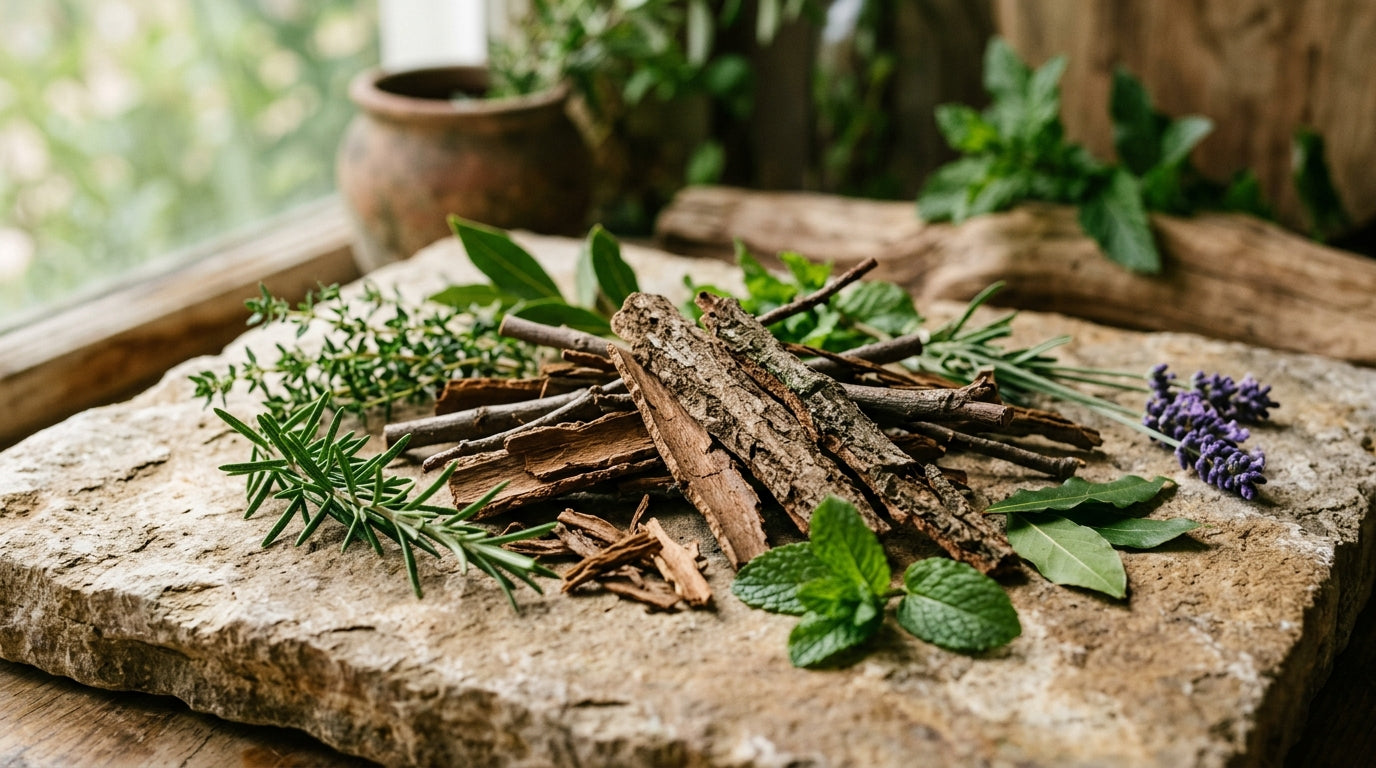
White poplar bark (Populus alba) contains salicin derivatives, flavonoids, and phenolic acids with total phenolic concentrations reaching 608 μg gallic acid equivalents per mg, delivering anti-inflammatory effects through prostaglandin synthesis inhibition and cytokine modulation. A comprehensive review in the Journal of Cutaneous Medicine and Surgery (PMID: 28300445) documented its dermatologic and analgesic properties as part of First Nations healing traditions, confirming its ethnobotanical significance alongside demonstrated in vitro cytotoxicity against human osteosarcoma cells.

Origin
White Poplar Bark (Populus alba) is derived from a tree species native to Europe, North Africa, and Asia. Rich in salicylates, it has been historically recognized for its analgesic and anti-inflammatory properties, making it a valuable botanical in functional wellness.
Potential benefits
- Reduces pain by inhibiting prostaglandin synthesis through its salicin content.
- Modulates inflammation, offering relief for musculoskeletal discomfort.
- Supports immune resilience with its antimicrobial and antioxidant compounds.
- Enhances circulatory health by promoting healthy blood flow.
- Alleviates fever symptoms through its antipyretic actions.
- Supports digestive health by soothing gastrointestinal irritation.
- Protects cells from oxidative stress due to its flavonoid and polyphenol content.
How it works
White poplar bark's primary bioactive compound, salicin, is metabolized in the gastrointestinal tract and liver to saligenin and subsequently oxidized to salicylic acid, which inhibits cyclooxygenase-1 (COX-1) and cyclooxygenase-2 (COX-2) enzymes, thereby suppressing prostaglandin E2 (PGE2) synthesis and reducing inflammatory mediators including interleukin-6 (IL-6) and interleukin-1β (IL-1β). The high phenolic content (608 μg GAE/mg) contributes potent antioxidant activity by scavenging reactive oxygen species (ROS) and inhibiting lipid peroxidation through electron donation from hydroxyl groups on flavonoid and tannin structures. Flavonoids such as chrysin and galangin modulate nuclear factor kappa B (NF-κB) signaling, further downregulating pro-inflammatory gene transcription. Additionally, populin (salicin-6-benzoate) and tremulacin present in the bark synergistically enhance analgesic and antipyretic effects by acting on peripheral nociceptive pathways.
What the research says
Current evidence is limited to in vitro studies demonstrating cytotoxicity against human osteosarcoma MG-63 cells with an IC50 of 132.49 μg/mL. Laboratory studies show strong antioxidant activity with methanol extracts achieving 358-356 μg ascorbic acid equivalents per mg. Antibacterial effects against Aeromonas veronii have been documented, though quantified results are not available. Human clinical trials are notably absent, making therapeutic efficacy claims preliminary and requiring further investigation.
Safety and interactions
White poplar bark is contraindicated in individuals with known salicylate sensitivity, aspirin allergy, or aspirin-exacerbated respiratory disease (AERD), as its salicin metabolite produces salicylic acid with cross-reactive potential. Due to its anti-platelet and COX-inhibitory activity, concomitant use with anticoagulants (warfarin, heparin) and antiplatelet drugs (clopidogrel, aspirin) may potentiate bleeding risk and should be avoided without medical supervision. Although specific CYP450 interaction studies for Populus alba bark are limited, its phenolic constituents may inhibit CYP2C9 and CYP3A4, potentially affecting metabolism of NSAIDs, sulfonylureas, and certain statins. Use is not recommended during pregnancy (potential uterotonic effects), in children under 16 (Reye's syndrome risk associated with salicylates), or in individuals with active peptic ulcer disease or renal impairment.
Suggested use
- Common forms: Dried bark tea, tincture.
- Dosage: 1–2 grams dried bark simmered in water for 10–15 minutes as tea, up to twice daily.
- Dosage: 1–2 ml tincture per dose for pain and circulatory support.
Frequently asked questions
What are the main active compounds in white poplar bark?
White poplar bark contains salicin (a salicylate glycoside), populin (salicin-6-benzoate), tremulacin, flavonoids (including chrysin and galangin), tannins, and phenolic acids. The total phenolic content has been measured at 608 μg gallic acid equivalents per mg of extract, which directly correlates with its antioxidant capacity.
How does white poplar bark compare to aspirin for pain relief?
White poplar bark's salicin is a natural precursor to salicylic acid, the same active metabolite mechanism as aspirin, but it undergoes slower conversion in the liver, resulting in a more gradual onset with potentially fewer gastrointestinal side effects. However, its analgesic potency is generally considered milder than pharmaceutical aspirin, and standardized dosing remains less established due to variable salicin concentrations across preparations.
Is white poplar bark safe to take with blood thinners?
No, white poplar bark should not be combined with anticoagulants or antiplatelet medications such as warfarin, heparin, or clopidogrel without physician guidance. Its salicin content is metabolized to salicylic acid, which inhibits COX enzymes and platelet aggregation, potentially increasing bleeding risk when combined with these drugs.
What are the traditional uses of white poplar bark?
Traditionally, white poplar bark has been used by First Nations and European herbalists for pain relief, fever reduction, and treatment of inflammatory conditions including arthritis and rheumatism. Colantonio et al. (2017) documented its dermatologic applications in First Nations healing practices, including wound healing and skin inflammation (PMID: 28300445). It has also been employed as a digestive tonic and urinary antiseptic in folk medicine.
What is the recommended dosage of white poplar bark?
Traditional herbal preparations typically use 1–4 grams of dried bark as a decoction taken up to three times daily, or standardized extracts providing 60–240 mg of salicin per day. The German Commission E has recognized Populus species bark for conditions involving fever, pain, and rheumatic complaints. However, optimal dosing has not been established through large-scale clinical trials, so consultation with a qualified healthcare practitioner is advised.
Can white poplar bark help with arthritis and joint pain?
Yes, white poplar bark may help reduce arthritis and joint pain due to its salicin content, which works similarly to aspirin by inhibiting prostaglandin synthesis and reducing inflammatory markers in the joints. Its anti-inflammatory compounds have been traditionally used to address musculoskeletal discomfort associated with osteoarthritis and rheumatoid conditions. However, results vary by individual, and it should complement rather than replace prescribed arthritis treatments.
Is white poplar bark safe for people with asthma or aspirin sensitivity?
White poplar bark should be avoided by individuals with aspirin sensitivity or salicylate intolerance, as its salicin content can trigger similar allergic reactions in sensitive people. Those with asthma should consult their healthcare provider before use, as some individuals with aspirin-exacerbated respiratory disease may react negatively to salicylate-containing plants. A patch test or small trial dose under medical supervision is recommended for those with known sensitivities.
Does white poplar bark extract work better than whole bark powder for anti-inflammatory effects?
Standardized extracts of white poplar bark may offer more consistent anti-inflammatory potency than whole bark powder because they concentrate the active salicin and polyphenol compounds. However, whole bark powder provides additional phytochemical diversity that may enhance overall health benefits through synergistic effects. The choice depends on your goals: standardized extracts for targeted inflammation relief, or whole powder for broader nutritional support.
References
- https://www.ncbi.nlm.nih.gov/search/all/?term=White+Poplar+Bark
- https://fdc.nal.usda.gov/fdc-app.html#/search?query=White+Poplar+Bark
- https://pubmed.ncbi.nlm.nih.gov/30789054
- https://www.sciencedirect.com/science/article/pii/S0367326X1830093X
- https://www.ncbi.nlm.nih.gov/pmc/articles/PMC7150117/
This article is educational and is not medical advice. Statements have not been evaluated by the FDA and are not intended to diagnose, treat, cure, or prevent any disease. Consult a healthcare professional before use.