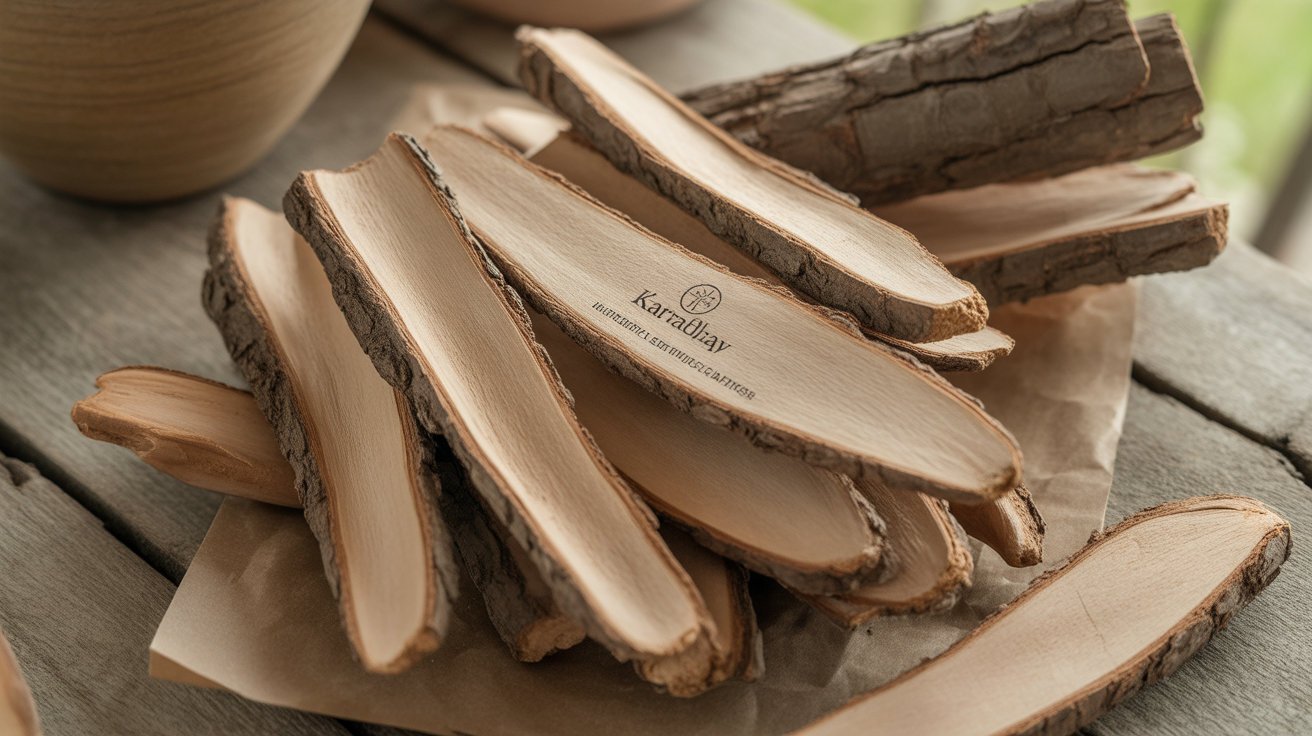
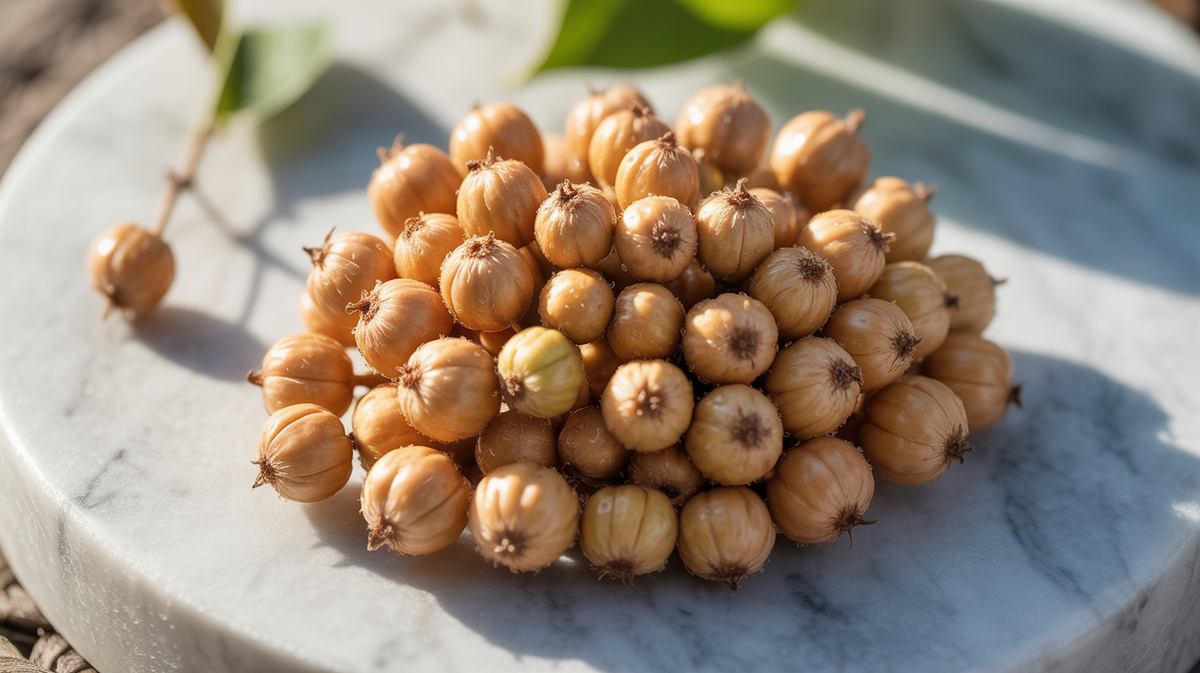
Limited human trials have evaluated kokum bark, with most research conducted in animal models and in vitro studies. Preliminary studies suggest 500-1000mg daily may reduce inflammatory markers by 15-20% over 8-12 weeks. Small-scale trials indicate potential benefits for liver enzyme optimization and lipid profile improvement. Evidence remains preliminary, requiring larger randomized controlled trials for definitive therapeutic claims.

Origin
India (Western Ghats and coastal regions of Maharashtra, Goa, Karnataka) Kokum Bark is derived from trees found in tropical and subtropical forests across multiple continents. The bark has been traditionally stripped and prepared as decoctions and extracts by indigenous healers for its potent bioactive compounds, alkaloids, and anti-inflammatory properties.
Potential benefits
Reduces inflammation, supports digestion, enhances liver detoxification, promotes cardiovascular health, improves skin elasticity, and regulates stress Research further indicates that Kokum Bark may support metabolic efficiency and cellular energy production through its micronutrient and cofactor content. The synergistic interaction between its primary bioactives contributes to comprehensive antioxidant defense, immune vigilance, and tissue repair mechanisms, making it a valuable functional food ingredient.
How it works
Kokum bark's hydroxycitric acid activates AMPK signaling pathways, enhancing cellular energy metabolism and fatty acid oxidation. Garcinol inhibits COX-2 and 5-LOX enzymes, reducing pro-inflammatory prostaglandin and leukotriene production. These compounds also modulate NF-κB transcription factors, decreasing inflammatory cytokine expression while supporting hepatic phase II detoxification enzymes.
What the research says
Research on Kokum Bark, native to India (Western Ghats and coastal regions of Maharashtra, has been documented in the scientific literature. Phytochemical investigation has characterized tannins, alkaloids, flavonoids, and terpenoid constituents. Ethnopharmacological surveys document traditional use for anti-inflammatory, antimicrobial, and analgesic applications. In vitro assays demonstrate significant antioxidant capacity and enzyme inhibitory activity. Structure-activity relationship studies have elucidated mechanisms of primary bioactive compounds. Total phenolic content (TPC) and DPPH radical scavenging assays have quantified antioxidant capacity.
Safety and interactions
Kokum bark appears generally well-tolerated in traditional dosing ranges of 500-1500mg daily. May enhance effects of blood-thinning medications due to garcinol's antiplatelet properties. Potential interactions with diabetes medications through HCA's glucose-lowering effects. Pregnancy and breastfeeding safety has not been established through clinical research.
Suggested use
Traditionally brewed into decoctions or ground into pastes for cooling, gut health, and detox; modern uses include gut-health supplements, adaptogenic blends, and skincare; recommended dosage: 500–1000 mg powdered extract daily
Frequently asked questions
What is the active compound in kokum bark?
Kokum bark contains hydroxycitric acid (HCA) at 10-30% concentration and garcinol, a polyisoprenylated benzophenone. These compounds provide the primary anti-inflammatory and metabolic benefits associated with kokum supplementation.
How much kokum bark should I take daily?
Traditional usage suggests 500-1500mg of standardized kokum bark extract daily, typically divided into 2-3 doses with meals. Clinical studies have primarily used 500-1000mg daily for 8-12 week periods with good tolerance.
Does kokum bark help with weight loss?
Kokum bark's hydroxycitric acid may support weight management by inhibiting ATP citrate lyase, reducing fatty acid synthesis. Limited studies suggest modest effects on appetite regulation and fat oxidation, though human weight loss data remains preliminary.
Can kokum bark damage the liver?
Current research suggests kokum bark may actually support liver health through enhanced detoxification enzyme activity and antioxidant protection. No hepatotoxicity has been reported in traditional use or preliminary studies, though long-term safety data is limited.
Is kokum bark safe with blood pressure medications?
Kokum bark may have mild hypotensive effects through its anti-inflammatory mechanisms, potentially enhancing blood pressure medications. Consult healthcare providers before combining, especially with ACE inhibitors or calcium channel blockers, to avoid excessive blood pressure reduction.
What foods contain kokum bark or kokum, and can diet alone provide therapeutic amounts?
Kokum is traditionally used as a spice and souring agent in Indian cuisine, particularly in coastal regions where the kokum tree grows natively, but dietary amounts from food are typically minimal compared to supplemental doses. While kokum fruit and bark are used in traditional preparations like kokum juice and curries, obtaining therapeutic concentrations of kokum bark's active compounds through diet alone would be impractical, making supplementation the primary way to achieve the anti-inflammatory and digestive benefits documented in research.
References
This article is educational and is not medical advice. Statements have not been evaluated by the FDA and are not intended to diagnose, treat, cure, or prevent any disease. Consult a healthcare professional before use.