Current scientific literature, primarily comprising ethnobotanical accounts and preliminary in vitro/in vivo studies, supports Katrafay Bark's traditional uses. However, robust human clinical trials evaluating its efficacy, specific dosages, and quantitative outcomes are presently lacking. Further controlled studies are required to establish its full clinical potential and validate traditional claims.

Origin
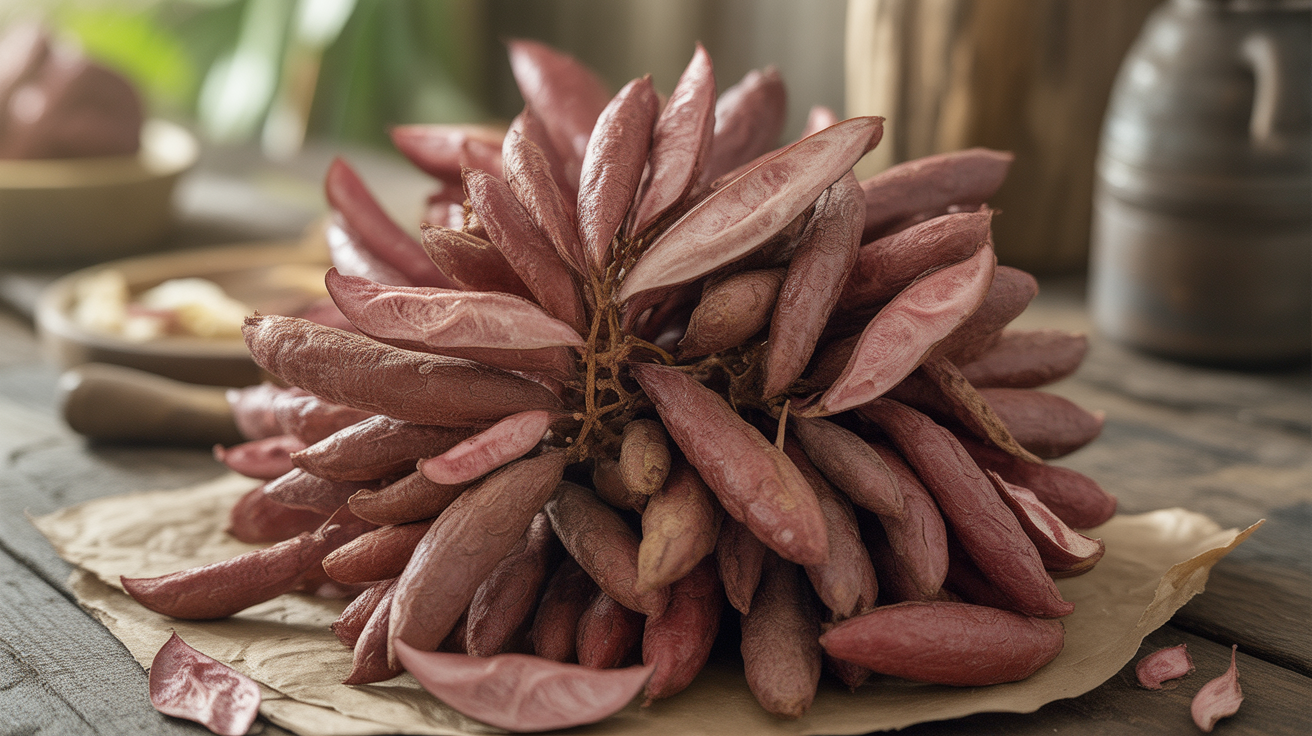
Katrafay Bark (Cinnamosma fragrans) is derived from a tree endemic to Madagascar, thriving in the arid and sub-arid dry deciduous forests. This aromatic bark is highly valued for its unique essential oil profile and traditional medicinal applications, particularly for pain relief and vitality.
Potential benefits
- Exhibits potent anti-inflammatory properties, reducing systemic inflammation.
- Provides analgesic effects, offering relief from muscular pain and rheumatism.
- Acts as a tonic to combat fatigue and enhance overall vitality and stamina.
- Possesses febrifuge properties, aiding in the reduction of fever and promoting systemic balance.
- Supports physical rejuvenation and wellness when applied topically or in medicinal baths.
How it works
Katrafay Bark's therapeutic effects are primarily attributed to its high concentration of sesquiterpenes. While specific molecular pathways are still under investigation, these compounds are hypothesized to exert anti-inflammatory actions by modulating pro-inflammatory mediators and contribute to analgesic effects by influencing pain perception pathways.
What the research says
Ethnobotanical and scientific sources validate Katrafay Bark's rich sesquiterpene profile and its traditional roles in anti-inflammatory and tonic applications. Preliminary research supports its analgesic properties, aligning with its historical use for muscular pain and fatigue.
Safety and interactions
Information regarding specific side effects, drug interactions, or contraindications for Katrafay Bark is very limited in the available scientific literature. As with many herbal supplements, it is generally advisable for pregnant or breastfeeding individuals, or those with underlying health conditions, to consult a healthcare professional before use. Given the scarcity of data, caution and professional guidance are recommended.
Suggested use
- Traditionally boiled into decoctions for therapeutic baths or internal teas.
- Modernly steam-distilled into essential oil for aromatherapy and topical preparations.
- Recommended usage: Decoction added to bathwater or essential oil diluted and applied topically.
- Internal use should be supervised by a healthcare practitioner due to potency.
Frequently asked questions
What are the main health benefits of Katrafay Bark?
Katrafay Bark is traditionally used for its potent anti-inflammatory and analgesic properties, offering relief from muscular pain and rheumatism. It also acts as a tonic to combat fatigue, enhance vitality, and possesses febrifuge properties to aid in reducing fever.
What are the primary bioactive compounds in Katrafay Bark?
The therapeutic properties of Katrafay Bark are largely attributed to its rich profile of sesquiterpenes. These compounds are believed to be responsible for its traditional anti-inflammatory and pain-relieving effects, though specific mechanisms require further research.
Has Katrafay Bark been extensively studied in clinical trials?
While ethnobotanical and some preliminary studies support Katrafay Bark's traditional uses, comprehensive human clinical trials are currently lacking. Further robust research is needed to fully validate its efficacy, determine optimal dosages, and establish quantitative outcomes.
Where does Katrafay Bark (Cinnamosma fragrans) originate?
Katrafay Bark is derived from the Cinnamosma fragrans tree, which is indigenous to Madagascar. It thrives specifically in the arid and sub-arid dry deciduous forests characteristic of the island.
Are there any known safety concerns or drug interactions associated with Katrafay Bark?
Currently, detailed information regarding specific side effects, drug interactions, or contraindications for Katrafay Bark is limited in scientific literature. As a precautionary measure, it is advisable to consult a healthcare professional before use, especially for pregnant or breastfeeding individuals or those on medication.
What is the most effective form of Katrafay Bark for supplementation?
Katrafay Bark is commonly available as a dried bark powder, liquid extract, or in capsule form, with extracts typically offering higher bioavailability due to concentrated bioactive compounds. The liquid extract form may provide faster absorption and more consistent dosing compared to whole bark powder, though individual absorption can vary based on digestive factors. For topical applications targeting muscular pain and rheumatism, bark infusions or prepared oils are often preferred over internal forms.
References
This article is educational and is not medical advice. Statements have not been evaluated by the FDA and are not intended to diagnose, treat, cure, or prevent any disease. Consult a healthcare professional before use.