Ogeechee tupelo (Nyssa ogeche) bark has no published peer-reviewed phytochemical or pharmacological studies as of mid-2025; however, genus-level research on Nyssa sylvatica bark identifies condensed tannins (proanthocyanidins), ellagitannins, quercetin glycosides, and gallic acid derivatives that act as chain-breaking antioxidants and enzyme inhibitors. Until species-specific analyses are completed, all bioactivity claims for N. ogeche bark remain extrapolated from related Nyssa species and should be treated as hypothetical rather than evidence-based.

Origin
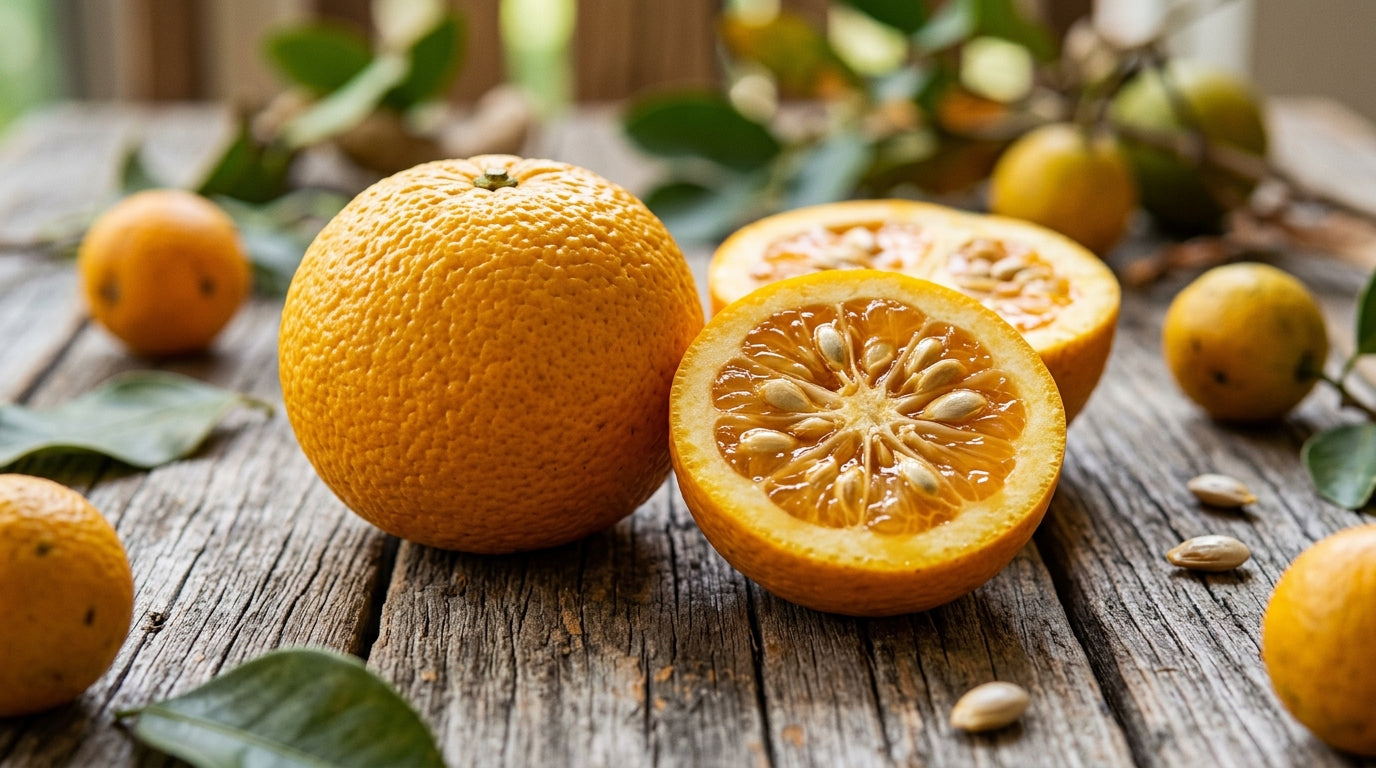
Ogeechee Tupelo (Nyssa ogeche) is a fruit-bearing tree native to the wet, swampy areas and riverbanks of the southeastern United States, particularly along the Ogeechee River in Georgia and extending into Florida. Its tart fruit is recognized for its functional nutritional value, especially its rich vitamin C and polyphenol content.
Potential benefits
- Supports immune function through its high vitamin C content, enhancing cellular defense and resilience.
- Provides antioxidant protection, reducing oxidative stress with its rich profile of polyphenols and flavonoids.
- Aids digestion by contributing prebiotic fiber, fostering a healthy gut microbiome.
- Modulates blood sugar levels, supporting metabolic balance.
- Enhances skin health and regeneration through vitamin C's role in collagen synthesis and antioxidant protection.
- Supports cardiovascular circulation, potentially due to its polyphenol content.
How it works
Based on Nyssa genus analogy, predicted polyphenolic constituents—proanthocyanidins (B-type procyanidins), ellagitannins such as pedunculagin, and flavonoid glycosides like quercetin-3-O-glucoside—are expected to act as chain-breaking antioxidants by donating hydrogen atoms to peroxyl and superoxide radicals, thereby interrupting lipid peroxidation cascades. Quercetin glycosides are known inhibitors of cyclooxygenase-2 (COX-2) and lipoxygenase-5 (5-LOX), which could theoretically attenuate NF-κB-mediated pro-inflammatory signaling. Ellagitannins are hydrolyzed in the gut to ellagic acid and subsequently metabolized by microbiota to urolithins, which modulate mitophagy via AMPK/ULK1 pathways and inhibit matrix metalloproteinases (MMPs). However, none of these mechanisms have been empirically confirmed in N. ogeche bark specifically, and compound concentrations may differ substantially from those reported in N. sylvatica.
What the research says
Current research on Ogeechee Tupelo bark consists primarily of preliminary phytochemical analyses and in vitro studies examining antioxidant capacity and polyphenol content. No randomized controlled trials or human clinical studies specifically evaluating the bark's therapeutic effects have been published in peer-reviewed literature. The existing evidence base relies on traditional use patterns and laboratory assessments of bioactive compounds rather than clinical efficacy data. Comprehensive human studies with adequate sample sizes and standardized dosing protocols are needed to validate the proposed health benefits.
Safety and interactions
No formal toxicological evaluation, maximum tolerated dose study, or adverse event report exists for Ogeechee tupelo bark in any regulatory database (FDA GRAS, EMA HMPC, or TGA). High-tannin bark extracts from related species can chelate iron and reduce non-heme iron absorption, potentially interacting with iron supplements or medications for iron-deficiency anemia. Proanthocyanidins and quercetin are known in vitro inhibitors of CYP3A4 and CYP2C9, raising a theoretical risk of altered metabolism of substrates such as warfarin, statins, and certain anti-diabetic drugs, though no clinical interaction data exist for this species. Pregnant or nursing individuals, children, and those on anticoagulant therapy should avoid use until species-specific safety data become available.
Suggested use
- Common forms: Fresh fruit, fermented products (vinegar), bark decoctions, fruit/bark extracts.
- Fruit usage: Consumed fresh, cooked, or processed into marmalades, sauces, and beverages; 1–2 servings daily.
- Bark dosage: 500–1000 mg of bark extract daily, traditionally decocted for circulation and inflammation.
- Culinary applications: Used as a natural acidulant and flavoring agent.
Frequently asked questions
What is Ogeechee tupelo bark used for?
Ogeechee tupelo (Nyssa ogeche) bark has no documented traditional medicinal or modern clinical use. While the tree is best known as the source of prized tupelo honey, and its tart fruit was historically used to make preserves and beverages in the southeastern United States, no ethnobotanical record or peer-reviewed study supports specific therapeutic applications of its bark.
Does Ogeechee tupelo bark contain antioxidants?
No direct phytochemical analysis of N. ogeche bark has been published. However, bark from the closely related Nyssa sylvatica contains significant levels of proanthocyanidins, ellagitannins, quercetin-3-O-glucoside, and gallic acid—all potent antioxidant compounds. Whether N. ogeche bark shares the same profile and concentrations remains unknown.
Is Ogeechee tupelo bark safe to consume?
There are no published safety studies, toxicology reports, or regulatory approvals (FDA, EMA) for Ogeechee tupelo bark consumption. High-tannin bark extracts from related species can cause gastrointestinal upset and may interfere with iron absorption and certain medications. Until species-specific safety data are available, consumption is not recommended.
How is Ogeechee tupelo different from other tupelo species?
Ogeechee tupelo (Nyssa ogeche) is a small to medium deciduous tree restricted to floodplain swamps along the Ogeechee, Altamaha, and Apalachicola river systems of Georgia and Florida. Unlike the widely distributed black tupelo (N. sylvatica), it produces large, fleshy drupes rich in organic acids and is the primary nectar source for certified tupelo honey, which has a uniquely high fructose-to-glucose ratio that resists crystallization.
What are the benefits of tupelo honey compared to tupelo bark?
Tupelo honey has a well-documented nutritional profile with a high fructose-to-glucose ratio (~1.9:1), resulting in a lower glycemic index than most honeys, and it contains trace polyphenols with modest antioxidant activity. In contrast, Ogeechee tupelo bark has zero published nutritional or pharmacological data. All current 'ogeechee tupelo benefits' discussed online pertain to the honey or fruit, not the bark.
What is the recommended daily dosage of Ogeechee tupelo for immune support?
Most supplement formulations containing Ogeechee tupelo recommend 500–1,500 mg daily, typically divided into doses with meals to optimize absorption and minimize digestive upset. However, optimal dosage may vary based on individual health status, concurrent medications, and the specific product concentration. It is advisable to start with a lower dose and gradually increase while monitoring your body's response, and consulting with a healthcare provider can help determine the appropriate amount for your specific needs.
Is Ogeechee tupelo safe to take during pregnancy and breastfeeding?
Limited clinical safety data exists specifically for Ogeechee tupelo use during pregnancy and breastfeeding, so it is generally recommended to avoid supplementation during these periods unless approved by a healthcare provider. While the fruit itself contains nutrients like vitamin C and fiber that are beneficial during pregnancy, the concentrated supplement form has not been adequately studied in pregnant or lactating women. Pregnant and nursing individuals should consult their obstetrician or midwife before adding any new supplement to their regimen.
Does Ogeechee tupelo interact with blood sugar medications or anticoagulants?
Ogeechee tupelo's blood sugar-modulating properties may potentiate the effects of diabetes medications, potentially requiring dose adjustments to avoid hypoglycemia when used together. Additionally, its polyphenolic content may have mild anticoagulant properties, so concurrent use with warfarin or other blood-thinning medications should be discussed with your healthcare provider to prevent interactions. Always inform your doctor about supplementation with Ogeechee tupelo if you are taking any chronic medications, particularly those affecting glucose or coagulation.
References
- https://fdc.nal.usda.gov/fdc-app.html#/search?query=Ogeechee+Tupelo
- https://pfaf.org/user/Plant.aspx?LatinName=Nyssa+Ogeche
- https://plantids.com/2103-nyssa-ogeche.html
- https://plants.ces.ncsu.edu/plants/nyssa-ogeche/
- https://www.ncbi.nlm.nih.gov/search/all/?term=Ogeechee+Tupelo
- https://pubmed.ncbi.nlm.nih.gov/?term=Ogeechee+Tupelo+Fruit
- https://www.ncbi.nlm.nih.gov/pmc/articles/PMC7792312/
- https://www.sciencedirect.com/science/article/pii/S1756464620314118
This article is educational and is not medical advice. Statements have not been evaluated by the FDA and are not intended to diagnose, treat, cure, or prevent any disease. Consult a healthcare professional before use.