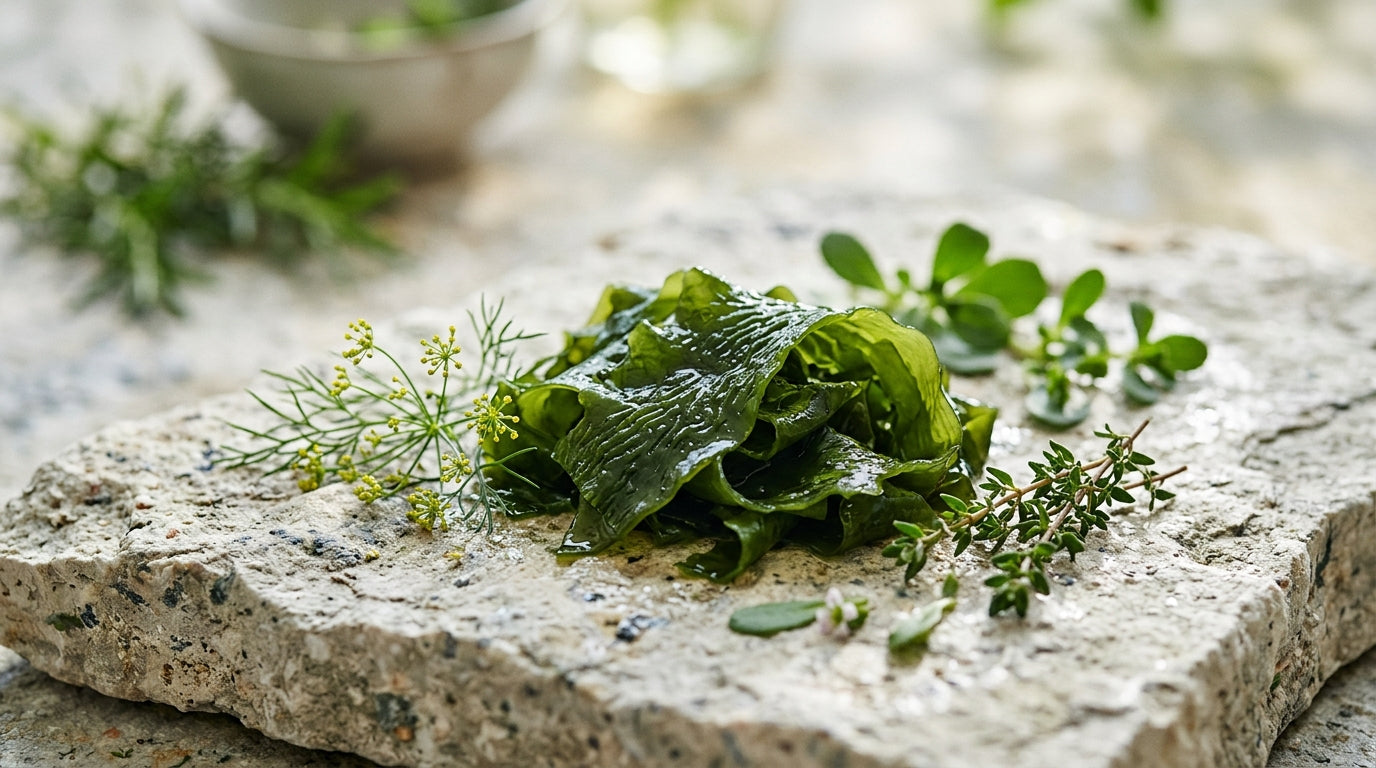
Xerophyte seeds from arid-adapted plants contain osmolytes and polyphenolic compounds that enhance cellular water retention and stress resilience. These bioactive molecules modulate physiological stress responses through antioxidant pathways and metabolic stabilization mechanisms.

Origin
Xerophyte Seed (species vary, e.g., certain Acacia or Amaranthus species adapted to arid conditions) refers to seeds from plants uniquely adapted to arid and semi-arid regions globally, including North Africa, Central Asia, and the American Southwest. These resilient seeds are characterized by their ability to thrive under extreme environmental stress. They are valued in functional nutrition for their compounds that support hydration and stress resilience.
Potential benefits
- Promotes cellular hydration and water retention through osmolytes, crucial for survival in arid conditions.
- Enhances stress resilience by modulating physiological responses to environmental stressors.
- Provides robust antioxidant defense, protecting cells from oxidative damage under harsh conditions.
- Supports metabolic stability and blood sugar regulation with balanced macronutrients and fiber.
- Modulates immune resilience through various phytochemicals and micronutrients.
- Aids in skin and mucosal repair, contributing to barrier integrity and healing.
- Contributes to hormonal balance by supporting endocrine system function.
How it works
Xerophyte seeds contain osmolytes that regulate cellular water balance by maintaining osmotic pressure during dehydration stress. Polyphenolic compounds and flavonoids provide antioxidant protection through free radical scavenging and modulation of gene expression pathways. These compounds work synergistically to stabilize cellular membranes and enhance adaptive stress responses at the molecular level.
What the research says
Current research consists primarily of in vitro studies and animal models examining seeds from xerophytic species like Acacia and Amaranthus. Studies on Plantago sempervirens demonstrate polyphenolic compounds with measurable antioxidant and anti-inflammatory activity in laboratory settings. Human clinical trials specifically evaluating standardized xerophyte seed preparations remain limited and are currently in development phases. The evidence base relies heavily on extrapolation from plant biochemistry research rather than controlled human studies.
Safety and interactions
Safety data for xerophyte seed preparations is limited due to lack of comprehensive human trials. Potential interactions with medications metabolized through cytochrome P450 pathways cannot be ruled out given the presence of bioactive polyphenolic compounds. Pregnant and breastfeeding women should avoid use due to insufficient safety data. Individuals with known plant allergies, particularly to Amaranthaceae or Fabaceae families, should exercise caution and consult healthcare providers before use.
Suggested use
- Common forms: Dried, ground powder, seed oil, capsules.
- Dosage: 250–600 mg of powdered extract or capsules daily, ideally taken with fluids.
- Dosage: 3–5 mL of seed oil daily.
- Preparation: Traditionally ground into flour or gruel, rehydrated into tonics, or infused into teas/oils. Modern uses include hydration powders and adaptogenic blends.
Frequently asked questions
What are the main bioactive compounds in xerophyte seeds?
Xerophyte seeds contain osmolytes for water retention, polyphenolic compounds including flavonoids for antioxidant activity, and balanced macronutrients. These compounds work together to provide cellular protection and metabolic stability under stress conditions.
How do xerophyte seeds support hydration at the cellular level?
The osmolytes in xerophyte seeds help maintain cellular water balance by regulating osmotic pressure and preventing dehydration damage. This mechanism allows cells to retain water more effectively during periods of physiological stress.
Are there any proven clinical benefits of xerophyte seeds in humans?
Human clinical trials on xerophyte seed preparations are still developing, with most current evidence coming from in vitro and animal studies. While laboratory research shows promising antioxidant and adaptogenic properties, standardized human trials are needed to confirm clinical efficacy.
Which plant species are typically used for xerophyte seed supplements?
Common sources include Acacia species and Amaranthus varieties adapted to arid conditions, along with other desert plants like certain Plantago species. These plants have evolved specialized biochemical mechanisms to survive extreme environmental stress.
Can xerophyte seeds interact with prescription medications?
Due to their polyphenolic content, xerophyte seeds may potentially interact with medications processed by liver enzymes. Limited safety data means patients taking prescription drugs should consult healthcare providers before use to avoid potential interactions.
What is the optimal daily dosage of xerophyte seed supplements, and how should they be timed?
Typical xerophyte seed supplement dosages range from 500–2,000 mg daily, though optimal amounts depend on individual needs and product concentration. Taking xerophyte seed supplements with meals may enhance absorption and reduce potential gastrointestinal sensitivity, while timing consistency is more important than a specific time of day. Always follow manufacturer recommendations and consult a healthcare provider to determine the appropriate dose for your health goals.
Are xerophyte seeds safe for pregnant women, children, and elderly individuals?
While xerophyte seeds are generally recognized as safe whole foods, clinical safety data specifically in pregnant women and young children remains limited, making physician consultation essential before supplementation in these populations. Elderly individuals typically tolerate xerophyte seed supplements well, though age-related changes in kidney function may warrant dose adjustments. Pregnant women should exercise particular caution due to insufficient human studies on fetal safety.
Which form of xerophyte seed supplement—whole seed, powder, or extract—offers the best bioavailability?
Xerophyte seed extracts typically provide higher bioavailability of specific osmolytes and antioxidants compared to whole seeds, due to concentration and reduced particle size facilitating absorption. Powdered xerophyte seeds offer a middle ground, delivering more active compounds than whole seeds while maintaining some cellular matrix benefits that may support overall nutrient synergy. Individual absorption varies based on digestive health, so standardized extracts may be preferable for consistent therapeutic benefits.
References
- https://fdc.nal.usda.gov/fdc-app.html#/search?query=Xerophyte+Seed
- https://www.mdpi.com/2076-3921/11/2/318
- https://www.ncbi.nlm.nih.gov/search/all/?term=Xerophyte+Seed
- https://www.ncbi.nlm.nih.gov/pmc/articles/PMC8403729
- https://www.ncbi.nlm.nih.gov/pmc/articles/PMC8727360
- https://www.sciencedirect.com/science/article/pii/S2221169119300590
- https://www.sciencedirect.com/science/article/pii/S2221169120302756
This article is educational and is not medical advice. Statements have not been evaluated by the FDA and are not intended to diagnose, treat, cure, or prevent any disease. Consult a healthcare professional before use.