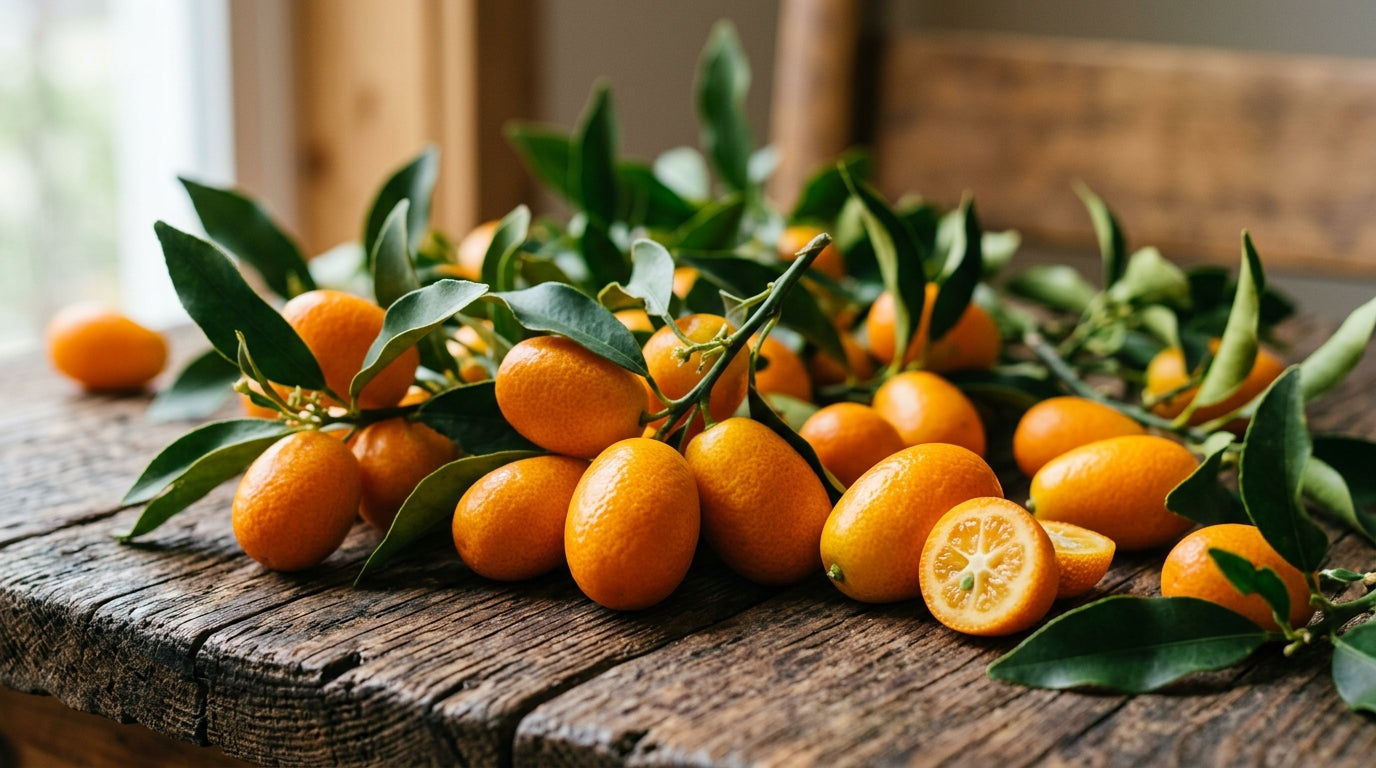
Nutmeg seed (Myristica fragrans) contains bioactive phenylpropanoids—myristicin, elemicin, eugenol, and safrole—that exert antioxidant, anti-inflammatory, and neuroprotective effects by inhibiting NF-κB signaling, COX-2 expression, and pro-inflammatory cytokines TNF-α and IL-6 (PMID 35567294; PMID 38690209). A comprehensive 2024 review in the Saudi Pharmaceutical Journal confirmed nutmeg seed's therapeutic potential across analgesic, antimicrobial, hepatoprotective, and anticancer domains, while noting that myristicin-mediated hepatotoxicity at high doses necessitates careful dosage control (PMID 38690209; PMID 33804713).

Origin
Myristica fragrans, commonly known as Nutmeg, is native to the tropical Banda Islands of Indonesia, also known as the Spice Islands. It thrives in humid, well-drained, nutrient-rich soils and is now cultivated across Southeast Asia, Sri Lanka, and the Caribbean. Its seeds are highly prized for their distinctive flavor and diverse medicinal properties.
Potential benefits
- Enhances cognitive function and neuroprotection through compounds like myristicin and elemicin, supporting memory and focus.
- Promotes digestive wellness by stimulating enzymatic activity, reducing bloating, and soothing gastrointestinal discomfort.
- Supports stress relief and restful sleep through its mild sedative properties, calming the nervous system.
- Reduces systemic inflammation and alleviates joint pain via monoterpenes and phenolic compounds.
- Strengthens immune defense through its antioxidant and antimicrobial compounds, combating pathogens.
- Supports cardiovascular health by improving circulation and regulating blood pressure with essential minerals.
How it works
Nutmeg's primary phenylpropanoids—myristicin, elemicin, and eugenol—suppress the NF-κB signaling cascade, downregulating cyclooxygenase-2 (COX-2) and inducible nitric oxide synthase (iNOS) expression, thereby reducing pro-inflammatory prostaglandin E2 and nitric oxide production (PMID 35567294). Myristicin and elemicin also attenuate secretion of tumor necrosis factor-alpha (TNF-α), interleukin-6 (IL-6), and interleukin-1β (IL-1β) in activated macrophages, conferring systemic anti-inflammatory and analgesic effects (PMID 38690209). The monoterpene constituents sabinene and α-pinene contribute antioxidant activity by scavenging reactive oxygen species (ROS) and inhibiting lipid peroxidation, while macelignan—a lignan unique to nutmeg—has demonstrated neuroprotective effects through modulation of acetylcholinesterase activity and BDNF upregulation in preclinical models (PMID 35567294; PMID 38690209). At supratherapeutic doses, myristicin undergoes hepatic bioactivation via CYP450 enzymes to reactive metabolites that deplete glutathione and induce mitochondrial dysfunction, as elucidated by proteomics analysis (PMID 33804713).
What the research says
Current evidence for nutmeg seed benefits derives primarily from preclinical in vitro and animal studies, with no published human clinical trials providing specific efficacy data. Research indicates potential sedative effects at doses of 20-80g powder, though such amounts may cause toxicity through metabolic conversion involving hydroxylation and demethylenation processes. Animal studies support anti-inflammatory, antioxidant, and antimicrobial properties, but optimal therapeutic dosages and long-term safety profiles in humans remain undetermined. Rigorous clinical trials are needed to establish pharmacokinetic parameters and therapeutic efficacy in human populations.
Safety and interactions
Nutmeg toxicity (nutmeg poisoning) can occur at doses as low as 5 g of ground nutmeg (approximately 1–2 mg/kg myristicin), producing psychoactive symptoms including hallucinations, tachycardia, nausea, and anxiety, with hepatotoxic effects confirmed via proteomics showing mitochondrial protein disruption and glutathione depletion (PMID 33804713; PMID 30000898). Myristicin and safrole are metabolized by CYP1A2 and CYP2A6 enzymes, suggesting potential interactions with drugs metabolized through the same pathways, including certain antidepressants (MAOIs), anticoagulants, and hepatotoxic medications. Nutmeg should be avoided in pregnancy due to its historical use as an abortifacient and potential uterotonic effects, and individuals with liver disease should exercise caution given documented hepatotoxic potential at elevated doses (PMID 38690209). Mycotoxin contamination (particularly aflatoxins) has been documented in improperly stored nutmeg, adding an additional safety consideration for sourcing and quality control (PMID 26528824).
Suggested use
- Common Forms: Whole seed (grated), ground powder, essential oil, standardized extract.
- Traditional Use: Used as a culinary spice, brewed into teas for digestive discomfort, pain, and respiratory ailments; applied topically as oil.
- Modern Applications: Incorporated into adaptogenic lattes, herbal teas, sleep aids, digestive tonics, and cognitive wellness supplements.
- Dosage: Up to ½ teaspoon (approx. 1-2g) of grated seed daily; 100–200 mg of standardized extract for cognitive and digestive support.
- Important Note: Consume in moderation due to potential psychoactive effects at high doses.
Frequently asked questions
What are the main health benefits of nutmeg seed?
Nutmeg seed provides antioxidant, anti-inflammatory, antimicrobial, analgesic, and neuroprotective benefits primarily through its bioactive compounds myristicin, elemicin, eugenol, and macelignan. A comprehensive 2024 review confirmed its therapeutic potential for digestive health, pain relief, immune support, cognitive function, and blood sugar regulation (PMID 38690209). These benefits are best obtained at culinary doses (0.5–1 g), as higher amounts carry toxicity risks.
How much nutmeg seed is safe to consume daily?
Culinary doses of nutmeg (up to approximately 1–2 g or roughly half a teaspoon of ground nutmeg per day) are generally considered safe for healthy adults. Toxicity symptoms—including hallucinations, nausea, and tachycardia—have been reported at doses of 5 g or more, and proteomics research has confirmed hepatotoxic mechanisms at supratherapeutic levels (PMID 33804713; PMID 30000898).
What compounds in nutmeg seed are responsible for its health effects?
The primary bioactive compounds are myristicin, elemicin, eugenol, safrole, sabinene, α-pinene, and the lignan macelignan. Ashokkumar et al. (2022) identified myristicin and sabinene as the dominant constituents of nutmeg essential oil responsible for its anti-inflammatory, antioxidant, and antimicrobial activities (PMID 35567294). Macelignan has shown particular promise for neuroprotection and acetylcholinesterase inhibition in preclinical studies.
Can nutmeg seed cause liver damage or toxicity?
Yes, at high doses nutmeg can cause hepatotoxicity. Xia et al. (2021) used proteomics to demonstrate that excessive myristicin intake triggers oxidative stress, glutathione depletion, and mitochondrial dysfunction in liver tissue (PMID 33804713). Individuals with pre-existing liver conditions or those taking hepatotoxic medications should avoid supplemental-dose nutmeg and limit intake to culinary amounts.
Does nutmeg seed help with sleep and anxiety?
Nutmeg has traditional use as a mild sedative and anxiolytic, attributed to its effects on GABAergic neurotransmission and serotonin pathways. Ethnobotanical documentation from the Spice Islands confirms centuries of use for calming and sleep-promoting purposes (PMID 8072304). While preclinical studies support these effects, robust human clinical trials are still needed to establish optimal dosages for sleep and anxiety relief (PMID 38690209).
Is nutmeg seed safe to take during pregnancy and breastfeeding?
Nutmeg seed should be avoided during pregnancy, especially in doses above culinary amounts, as compounds like myristicin may have uterotonic effects and potential developmental concerns. While small culinary doses are generally considered safe, breastfeeding mothers should also exercise caution and consult healthcare providers before supplementing. High-dose nutmeg seed supplementation is not recommended for either pregnancy or lactation without medical guidance.
Does nutmeg seed interact with common medications like blood thinners or antidepressants?
Nutmeg seed may interact with anticoagulant medications (such as warfarin) and antiplatelet drugs due to its mild anticoagulant properties, potentially increasing bleeding risk. It can also interact with central nervous system depressants and certain antidepressants, as its sedative compounds may amplify their effects. Individuals taking prescription medications should consult with a healthcare provider before adding nutmeg seed supplements to their regimen.
What is the most effective form of nutmeg seed supplement—powder, extract, or essential oil?
Whole nutmeg seed powder and standardized extracts are generally considered more effective and safer than essential oil, as they provide balanced phytochemical profiles without excessive concentration of volatile compounds. Standardized extracts often target specific beneficial compounds like myristicin and elemicin while reducing toxicity risks associated with high-concentration essential oils. Powder forms offer better bioavailability when taken with food, while extracts provide more precise dosing and faster absorption.
References
- https://fdc.nal.usda.gov/fdc-app.html#/search?query=Nutmeg+Bark
- https://fdc.nal.usda.gov/fdc-app.html#/search?query=Nutmeg+Berry
- https://fdc.nal.usda.gov/fdc-app.html#/search?query=Nutmeg+Fruit
- https://fdc.nal.usda.gov/fdc-app.html#/search?query=Nutmeg+Root
- https://fdc.nal.usda.gov/fdc-app.html#/search?query=Nutmeg+Seed
- https://www.frontiersin.org/articles/10.3389/fphar.2022.876182/full
- https://www.ncbi.nlm.nih.gov/search/all/?term=Nutmeg+Bark
- https://www.ncbi.nlm.nih.gov/search/all/?term=Nutmeg+Berry
- https://www.ncbi.nlm.nih.gov/search/all/?term=Nutmeg+Fruit
- https://www.ncbi.nlm.nih.gov/search/all/?term=Nutmeg+Husk
- https://www.ncbi.nlm.nih.gov/search/all/?term=Nutmeg+Root
- https://www.ncbi.nlm.nih.gov/search/all/?term=Nutmeg+Seed
- https://www.ncbi.nlm.nih.gov/search/all/?term=Nutmeg+Sprout
- https://doi.org/10.1016/j.jff.2021.105593
- https://pubmed.ncbi.nlm.nih.gov/28598832
This article is educational and is not medical advice. Statements have not been evaluated by the FDA and are not intended to diagnose, treat, cure, or prevent any disease. Consult a healthcare professional before use.