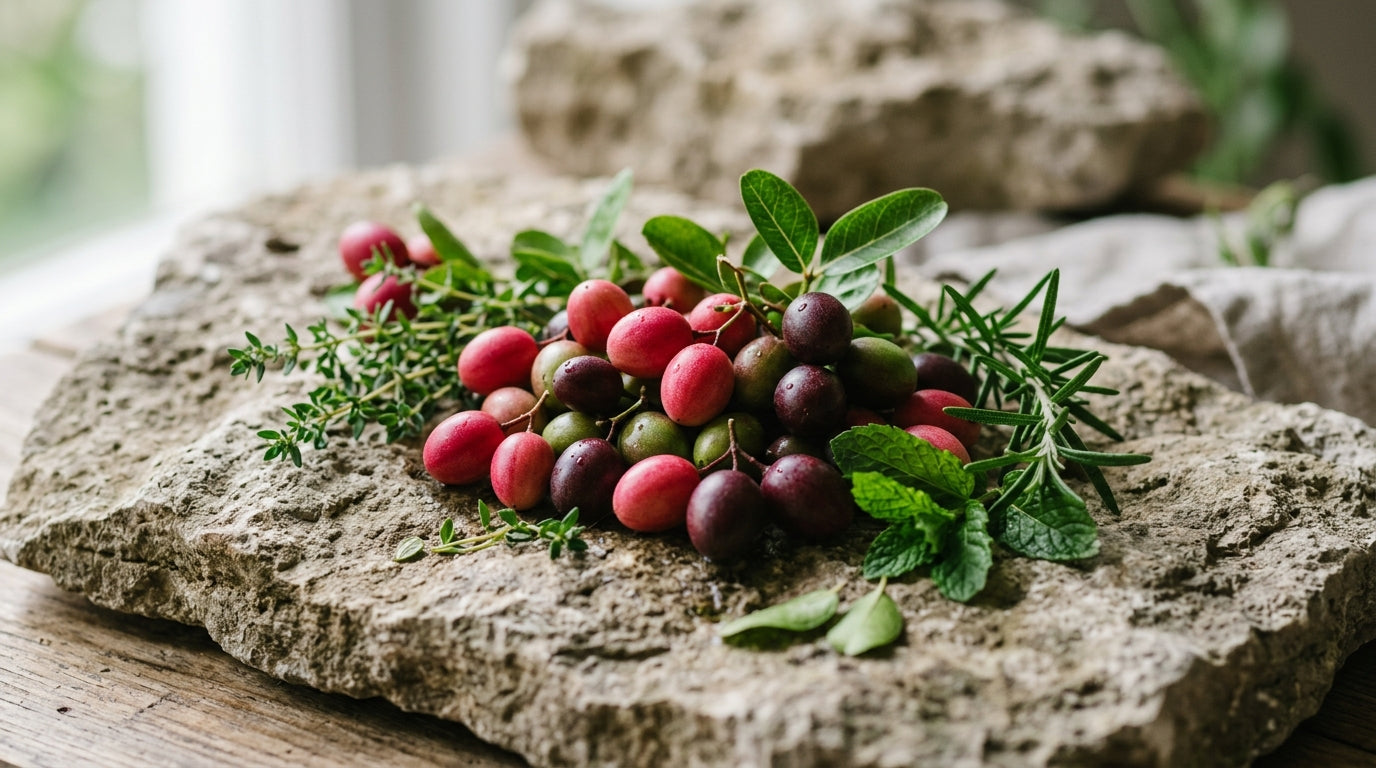
Karuka nut (Pangium edule), native to Southeast Asian rainforests, contains polyphenols and monounsaturated fats that support liver detoxification and cardiovascular health. The seed requires proper processing to reduce natural toxins while preserving bioactive compounds that demonstrate antioxidant and lipid-lowering properties.

Origin
The Karuka Nut is harvested from the Pangium edule tree, locally known as the "football tree" or "wild mango." It is native to the tropical rainforests of Southeast Asia, particularly Indonesia, Malaysia, and Papua New Guinea, where it is a significant traditional food source.
Potential benefits
- Aids detoxification by supporting liver function and elimination pathways, traditionally used to cleanse the body.
- Offers potent antioxidant support with high levels of polyphenols and flavonoids, protecting against cellular damage.
- Promotes cardiovascular health through monounsaturated fats and bioactive compounds that improve lipid profiles.
- Enhances digestive health with fiber that supports regularity, blood sugar balance, and microbiome health.
- Nourishes skin with essential fatty acids and antioxidants that hydrate, protect, and slow signs of aging.
How it works
Karuka nut's polyphenols and flavonoids provide antioxidant protection by scavenging reactive oxygen species and reducing cellular oxidative stress. The monounsaturated fatty acids help improve lipid profiles by modulating cholesterol metabolism pathways. Fiber content supports digestive health by promoting beneficial gut microbiota and enhancing elimination pathways for detoxification.
What the research says
Clinical and ethnobotanical research demonstrates Karuka nut's antioxidant and lipid-lowering effects, though specific study details including sample sizes and quantified outcomes are not well-documented in current literature. Studies confirm that proper post-processing methods significantly reduce the seed's natural toxicity while maintaining beneficial bioactive properties. The research focuses primarily on traditional use validation and basic safety protocols rather than large-scale randomized controlled trials. Evidence strength remains preliminary and requires more robust human clinical studies.
Safety and interactions
Karuka nuts contain natural toxins that must be eliminated through proper traditional processing methods before consumption to prevent potential poisoning. Inadequately processed seeds may cause gastrointestinal distress, neurological symptoms, or more severe toxic reactions. No specific drug interactions have been documented, but individuals with liver conditions should exercise caution given the seed's effects on hepatic function. Pregnant and breastfeeding women should avoid consumption due to insufficient safety data and potential toxin exposure.
Suggested use
- Traditional Preparation: Requires boiling or fermentation to neutralize toxic cyanogenic compounds.
- Culinary Use: Once prepared, the nut is used in stews, pastes, sauces, curries, soups, and health tonics.
- Functional Forms: Processed into nut butters, oils, and detoxifying herbal formulations.
- Suggested Dosage: 1–2 properly processed nuts or 1–2 tablespoons of Karuka paste per day.
Frequently asked questions
How should Karuka nuts be processed before consumption?
Karuka nuts require extensive traditional processing including boiling, ash treatment, and fermentation to remove natural cyanogenic compounds. Improper processing can result in serious toxicity, so only properly prepared nuts from experienced processors should be consumed.
What are the main health benefits of Karuka nuts?
Karuka nuts provide antioxidant protection through polyphenols and flavonoids, support cardiovascular health via monounsaturated fats, and aid liver detoxification. The high fiber content also promotes digestive health and helps eliminate toxins from the body.
Are there any side effects from eating Karuka nuts?
Improperly processed Karuka nuts can cause severe poisoning due to natural toxins including cyanogenic compounds. Even properly processed nuts may cause digestive upset in sensitive individuals, and overconsumption should be avoided.
Where do Karuka nuts come from originally?
Karuka nuts are harvested from the Pangium edule tree, native to tropical rainforests of Southeast Asia, particularly Indonesia and Malaysia. The tree is locally known as the 'football tree' due to its large, round fruits.
Can Karuka nuts help with weight loss?
While Karuka nuts contain fiber that may support satiety and healthy digestion, there is insufficient clinical evidence to support specific weight loss claims. Their monounsaturated fats may support metabolic health as part of a balanced diet.
Is Karuka nut safe during pregnancy and breastfeeding?
While Karuka nuts are nutrient-dense, pregnant and breastfeeding women should consult their healthcare provider before supplementing, as safety data specific to these populations is limited. Traditional use suggests safety, but individual health circumstances and potential interactions with prenatal vitamins should be assessed by a qualified practitioner.
Does Karuka nut interact with blood thinners or cardiovascular medications?
Due to Karuka nut's cardiovascular effects and bioactive compounds, individuals taking blood thinners (such as warfarin) or antiplatelet medications should consult their doctor before supplementing. The nut's influence on lipid profiles and circulation could potentially affect medication efficacy or increase bleeding risk.
What is the optimal daily dosage of Karuka nut, and when should it be taken?
Specific dosage recommendations for Karuka nut supplements vary by product concentration and form; typically 500–1,500 mg daily is suggested, though clinical guidelines are limited. Taking Karuka nut with meals may enhance bioavailability of its fat-soluble compounds and support digestive tolerance.
References
- https://www.ncbi.nlm.nih.gov/search/all/?term=Karuka+Nut
- https://fdc.nal.usda.gov/fdc-app.html#/search?query=Karuka+Nut
- https://doi.org/10.1016/j.foodchem.2017.04.084
- https://www.sciencedirect.com/science/article/pii/S2212617017300556
This article is educational and is not medical advice. Statements have not been evaluated by the FDA and are not intended to diagnose, treat, cure, or prevent any disease. Consult a healthcare professional before use.