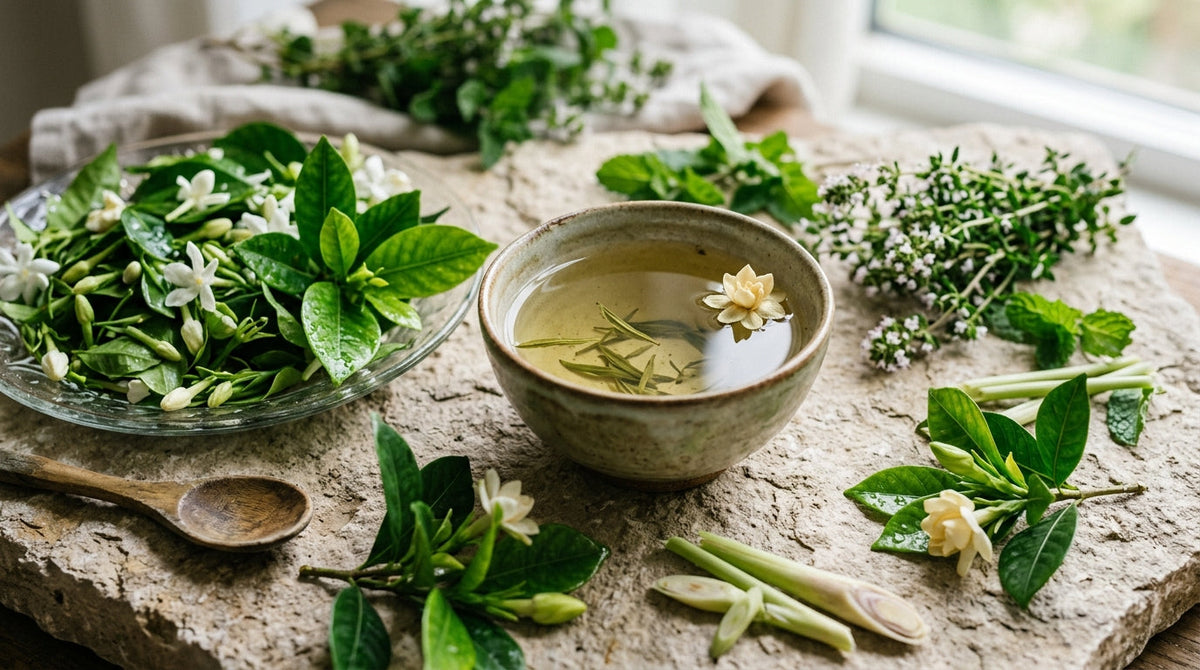
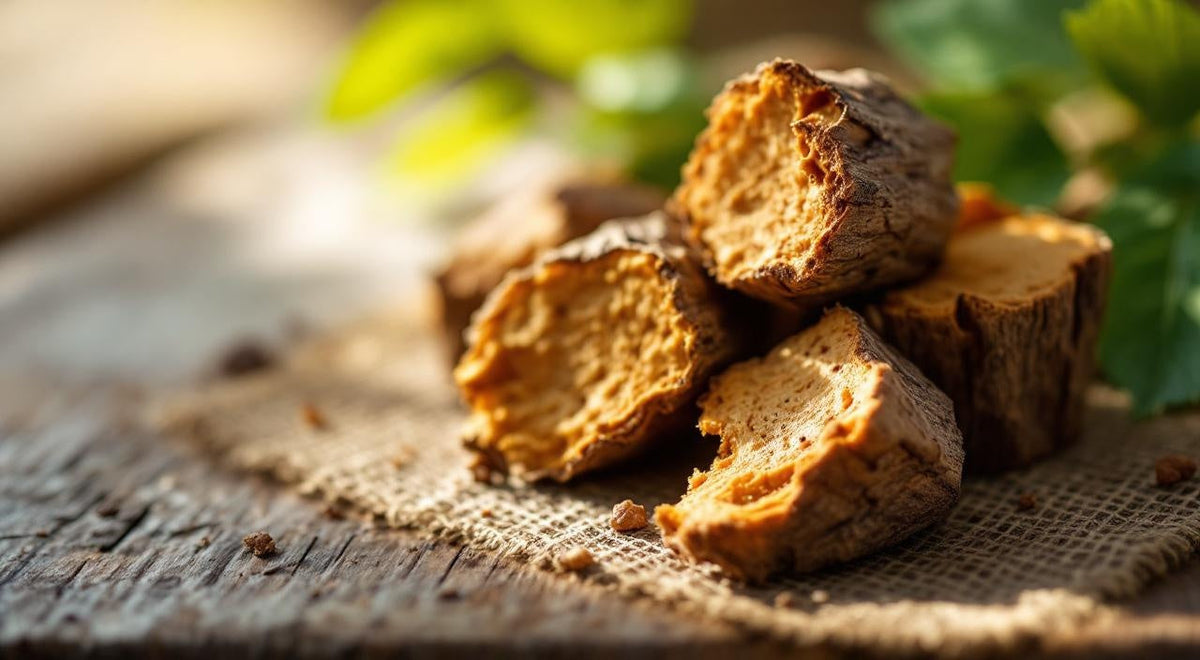
Scientific investigation into Giant Himalayan Nettle Seed is currently emerging, primarily focusing on its rich omega fatty acid profile, lignan content, and adaptogenic potential through *in vitro* and preliminary *in vivo* studies. These early studies have identified beneficial compounds like linoleic acid, β-sitosterol, and tocopherols, suggesting potential for hormonal balance, liver detoxification, and immune support. However, further robust human clinical trials are needed to substantiate these preliminary findings and establish definitive efficacy and safety.

Origin
Giant Himalayan Nettle Seed (Urtica dioica var. himalayensis) originates from the high-altitude forests and riverbanks across the Himalayas, including Nepal, India, Bhutan, and Tibet. These resilient seeds are a potent source of omega fatty acids, lignans, and plant protein, offering significant adaptogenic and detoxifying benefits for functional health.
Potential benefits
- Enhances immune function by providing a rich array of micronutrients and bioactive compounds.
- Modulates hormonal balance through its lignan content, supporting endocrine system health.
- Aids liver detoxification processes by supplying specific phenolic acids and sterols.
- Supports cardiovascular health with its high content of omega-3 and omega-6 fatty acids.
- Promotes cognitive clarity and adrenal resilience through its adaptogenic properties and nutrient density.
- Contributes to cellular longevity by offering potent antioxidant protection from flavonoids and ellagitannins.
- Improves metabolic efficiency by providing plant-based protein and prebiotic fiber.
How it works
The seed's bioactive profile, rich in linoleic and oleic acids, β-sitosterol, and tocopherols, contributes to its therapeutic potential. Beta-sitosterol may modulate endocrine pathways, supporting hormonal balance, while specific phenolic acids and sterols could aid liver detoxification processes. Its documented enzyme-inhibitory and cytotoxic properties, although not fully elucidated, suggest broader systemic effects.
What the research says
Scientific investigation into Giant Himalayan Nettle Seed is emerging, with research focusing on its rich omega fatty acid profile, lignan content, and adaptogenic potential. Preliminary studies suggest benefits for hormonal balance, liver detoxification, and immune support. Further human clinical trials are needed to fully elucidate its efficacy and mechanisms.
Safety and interactions
Specific safety data, potential side effects, drug interactions, and contraindications for Giant Himalayan Nettle Seed consumption are not yet established in published research. As with many herbal supplements, individuals, especially pregnant or breastfeeding women, or those with underlying health conditions or on medication, should consult a healthcare professional before use. Due to the lack of comprehensive safety information, caution is advised.
Suggested use
- Common Forms: Whole seeds (roasted), powder, oil extractions, standardized extract.
- Preparation: Traditionally brewed into tonics, incorporated into energy porridges or fermented blends. Modern use in adaptogenic elixirs and functional foods.
- Dosage: 500–1000 mg of standardized extract daily, or 1–2 tablespoons of whole or powdered seeds daily.
Frequently asked questions
What are the primary bioactive compounds found in Giant Himalayan Nettle Seed?
Giant Himalayan Nettle Seed is notably rich in lipid components such as linoleic acid (making up 77.7% of triacylglycerols) and oleic acid (16.2%). It also contains a high concentration of β-sitosterol (90.1% of sterols) and various tocopherols, with γ-tocopherol being predominant.
What potential health benefits are associated with Giant Himalayan Nettle Seed?
Preliminary research suggests Giant Himalayan Nettle Seed may enhance immune function and modulate hormonal balance, partly due to its lignan content. It is also believed to aid liver detoxification processes by supplying specific phenolic acids and sterols, and may support cardiovascular health.
What scientific studies have been conducted on Giant Himalayan Nettle Seed?
Scientific investigation is emerging, with studies focusing on the seed's rich omega fatty acid profile, lignan content, and adaptogenic potential. Preliminary *in vitro* and *in vivo* studies suggest benefits for hormonal balance, liver detoxification, and immune support, but extensive human clinical trials are still needed.
Does Giant Himalayan Nettle Seed have any documented mechanisms of action?
The seed's compounds, including linoleic acid, β-sitosterol, and tocopherols, contribute to its effects. Beta-sitosterol may influence endocrine pathways, while its components have shown documented enzyme-inhibitory and cytotoxic properties, which could play a role in its traditional medicinal uses.
Is there information available on the safety and potential interactions of Giant Himalayan Nettle Seed?
Currently, detailed information regarding the safety profile, potential side effects, drug interactions, or contraindications for Giant Himalayan Nettle Seed is not extensively documented in available research. It is always recommended to consult a healthcare professional before incorporating new supplements, especially for pregnant or breastfeeding individuals or those with existing medical conditions.
What is the recommended daily dosage of Giant Himalayan Nettle Seed, and when should it be taken?
Typical supplemental dosages of Giant Himalayan Nettle Seed range from 500–1500 mg daily, though optimal amounts may vary based on individual health goals and product concentration. It is generally recommended to take nettle seed with meals to enhance absorption of its fat-soluble compounds and minimize potential gastrointestinal irritation. Consistent daily intake is preferred over sporadic use to maintain steady micronutrient and bioactive compound levels in the body. Consult with a healthcare provider to determine the dosage best suited to your individual needs.
References
- https://www.ncbi.nlm.nih.gov/search/all/?term=Giant+Himalayan+Nettle+Seed
- https://fdc.nal.usda.gov/fdc-app.html#/search?query=Giant+Himalayan+Nettle+Seed
- https://pubmed.ncbi.nlm.nih.gov/?term=Giant+Himalayan+Nettle+Seed
This article is educational and is not medical advice. Statements have not been evaluated by the FDA and are not intended to diagnose, treat, cure, or prevent any disease. Consult a healthcare professional before use.