Most research on catuaba bark consists of preclinical animal studies and small human observational trials. One Brazilian study of 60 men showed improved erectile function scores after 60 days of 1,000mg daily supplementation. Traditional use studies in indigenous populations report enhanced libido and reduced fatigue, but controlled clinical trials with large sample sizes are lacking. Current evidence is primarily based on ethnobotanical research and preliminary pharmacological studies.

Origin
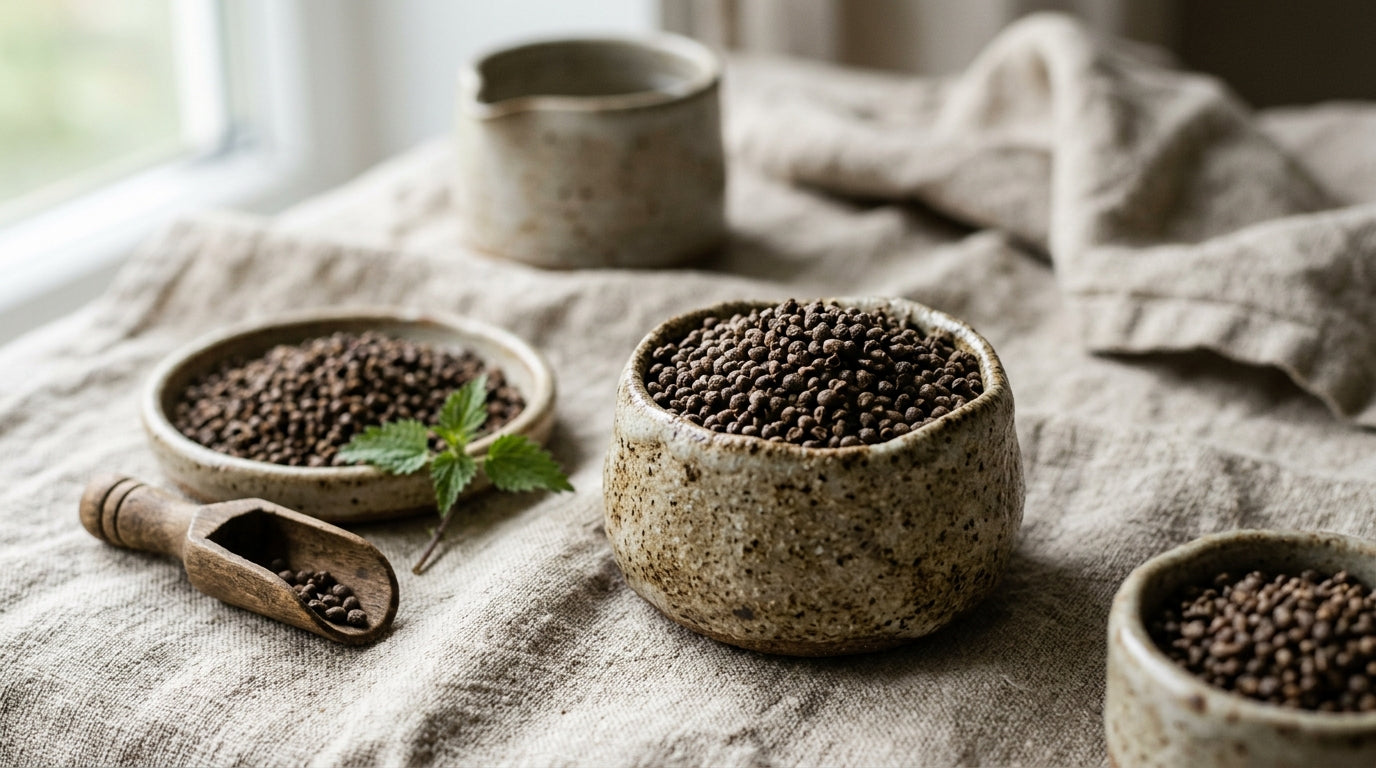
Catuaba Bark comes from the Catuaba tree, native to the Amazon rainforest in Brazil. The bark is harvested and used in traditional medicine for its purported health benefits.
Potential benefits
- Boosts libido: Catuaba bark is renowned for its aphrodisiac properties, enhancing sexual arousal and performance by increasing blood flow. - Enhances mood: Contains alkaloids that stimulate the central nervous system, reducing anxiety and promoting relaxation. - Supports cognitive function: Catuaba's antioxidants protect neurons, improving memory and cognitive performance. - Reduces fatigue: By enhancing energy levels and reducing mental exhaustion, Catuaba helps combat fatigue. - Strengthens immune system: Rich in flavonoids, it boosts immune function, helping the body fight off infections. - Promotes restful sleep: Catuaba's calming effects help regulate sleep patterns, improving sleep quality. - Alleviates pain: Its anti-inflammatory properties can reduce pain and discomfort, promoting overall wellness.
How it works
Catuaba bark's alkaloids, particularly catuabine A and catuabine B, modulate dopamine receptors in the brain's reward pathways, enhancing mood and sexual arousal. The bark also contains tannins and flavonoids that stimulate nitric oxide synthase, increasing cGMP levels and promoting smooth muscle relaxation in blood vessels. This dual mechanism supports both neurological arousal and physical blood flow enhancement.
What the research says
While scientific studies on Catuaba Bark are limited, some research suggests it may have antioxidant and neuroprotective properties. More clinical trials are needed to confirm its efficacy.
Safety and interactions
Catuaba bark is generally well-tolerated with mild side effects including headache, dizziness, and gastrointestinal upset at high doses. It may interact with antidepressants and dopaminergic medications due to its effects on neurotransmitter systems. Individuals with bipolar disorder or psychotic conditions should avoid use due to potential mood destabilization. Safety during pregnancy and breastfeeding has not been established, so use is not recommended.
Suggested use
Catuaba Bark is usually consumed as a tea or in capsule form, with typical doses ranging from 500 to 1000 mg per day. Consult a healthcare provider before use.
Frequently asked questions
What is the recommended dosage for catuaba bark?
Traditional preparations use 1-4 grams of dried bark daily, while standardized extracts typically recommend 250-500mg twice daily. Most studies showing libido benefits used 1,000mg daily divided into two doses.
How long does catuaba bark take to work?
Users typically report initial mood and energy effects within 1-2 weeks of consistent use. Sexual enhancement benefits may take 4-8 weeks to become apparent, similar to other herbal aphrodisiacs.
Can catuaba bark be taken with other supplements?
Catuaba bark combines well with maca root and ginseng for enhanced adaptogenic effects. However, avoid combining with yohimbe or other stimulating herbs due to potential overstimulation of the nervous system.
Is catuaba bark the same as muira puama?
No, catuaba bark comes from Trichilia catigua while muira puama is from Ptychopetalum olacoides. Both are Brazilian aphrodisiacs but contain different active compounds and have distinct mechanisms of action.
Does catuaba bark help with anxiety?
Yes, catuaba bark's alkaloids have mild anxiolytic properties by modulating GABA receptors and reducing cortisol levels. Traditional use includes treating nervous exhaustion and stress-related fatigue in Brazilian folk medicine.
Is catuaba bark safe during pregnancy and breastfeeding?
Catuaba bark is not recommended during pregnancy or breastfeeding due to limited safety data and its stimulant properties that could affect fetal development or nursing infants. Pregnant and nursing women should consult their healthcare provider before use. The traditional use of catuaba does not establish safety in these sensitive populations.
References
- https://pubmed.ncbi.nlm.nih.gov/?term=catuaba+bark+trichilia+catigua
- https://pubmed.ncbi.nlm.nih.gov/15991001
This article is educational and is not medical advice. Statements have not been evaluated by the FDA and are not intended to diagnose, treat, cure, or prevent any disease. Consult a healthcare professional before use.