No clinical trials have been conducted on Ishpingo (Ocotea quixos) for any health outcome in human subjects. There are no published phase I, II, or III trials, no crossover studies, and no observational cohort data examining therapeutic or supplemental use in people. The absence of pharmacokinetic data means that bioavailability, half-life, tissue distribution, and effective human doses are entirely unknown. Confidence in any therapeutic claim is therefore very low, and all purported health benefits remain speculative extrapolations from chemical composition data and ethnobotanical tradition.

Origin
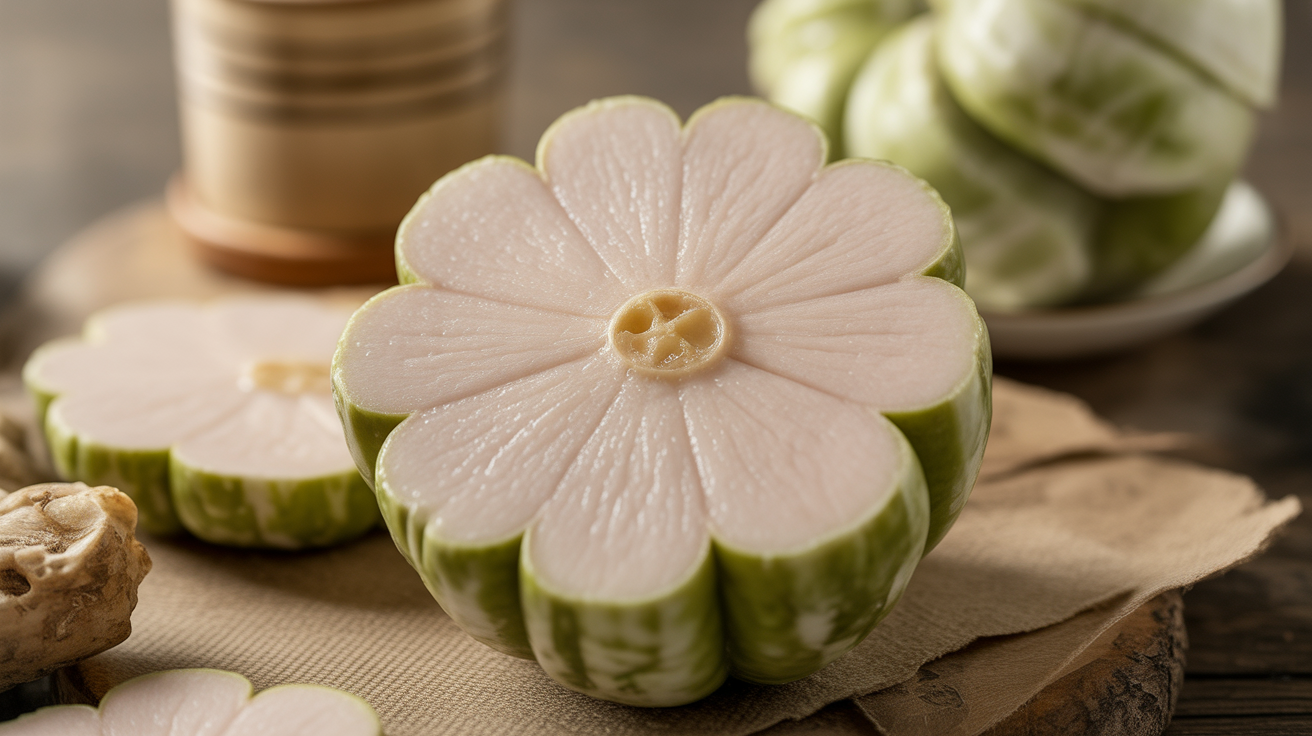
Ocotea quixos is a tree native to the upper Amazon basin of Ecuador and Peru, growing in cloud forests and montane rainforests at elevations between 1,000 and 2,500 meters. The tree thrives in humid, high-altitude tropical environments where it has been harvested for centuries by indigenous Andean communities. Bark and leaves are the primary sources of its aromatic essential oil, traditionally collected through wild harvesting rather than formal cultivation.
Potential benefits
- Digestive Support: Ishpingo has been used traditionally as a carminative and digestive spice in Ecuadorian cuisine; the cinnamate esters present in the essential oil are structurally related to compounds with known spasmolytic activity, though direct clinical evidence for this use is absent.
- Antimicrobial Potential: The essential oil demonstrates preliminary antimicrobial activity in laboratory settings, attributed largely to trans-caryophyllene and cinnamyl acetate; however, minimum inhibitory concentrations against specific pathogens have not been robustly characterized in peer-reviewed literature.
- Anti-inflammatory Activity (Theoretical): Trans-caryophyllene, a major constituent at up to 37.02%, is a known selective agonist of the CB2 cannabinoid receptor in other plant sources, a mechanism associated with reduced inflammatory signaling; whether this applies to Ishpingo oil in vivo remains unstudied.
- Antioxidant Properties: Phenylpropanoid compounds such as (E)-methyl cinnamate and (E)-cinnamyl acetate possess inherent free-radical scavenging potential observed in analogous cinnamon-family compounds; oxidative stress reduction by Ishpingo extracts specifically has not been measured in human subjects.
- Food Preservation Applications: At concentrations of 0.1–0.5% v/v, Ishpingo essential oil has been incorporated into chitosan-based edible films with documented barrier and antimicrobial properties, suggesting utility as a natural food preservative agent.
- Aromatic and Culinary Flavor Enhancement: Ishpingo imparts a distinctive cinnamon-anise flavor profile derived from its methyl cinnamate and anisyl propanoate content, making it a traditional spice used in Ecuadorian beverages such as colada morada and various festive preparations.
How it works
The predominant sesquiterpene trans-caryophyllene (up to 37.02% of the oil) is a well-characterized CB2 cannabinoid receptor agonist in preclinical models across multiple plant species, where it modulates NF-κB signaling pathways to reduce pro-inflammatory cytokine expression; this mechanism has not been directly verified in Ocotea quixos-derived material. The phenylpropanoid esters (E)-cinnamyl acetate and (E)-methyl cinnamate are structurally related to compounds that inhibit prostaglandin biosynthesis and exhibit smooth muscle relaxant effects via calcium channel modulation in vitro, which may partly explain traditional digestive applications. Caryophyllene oxide (1.29–6.94%), an oxygenated sesquiterpene in the oil, has demonstrated antifungal activity in related studies through membrane disruption mechanisms. No receptor binding assays, enzyme inhibition studies, or gene expression analyses have been published specifically for Ocotea quixos essential oil, and mechanistic conclusions are therefore extrapolated from chemical analogs rather than direct experimental evidence.
What the research says
Published research on Ocotea quixos is sparse and predominantly limited to phytochemical characterization studies identifying the essential oil's volatile composition through GC-MS analysis, with 47 compounds accounting for 97.17–99.89% of total oil composition across examined samples. One applied materials science study evaluated the oil's incorporation into chitosan-based edible films at 0.1–0.5% v/v concentrations, measuring physicochemical properties such as moisture content, thickness, and barrier function rather than any biological health outcome. No randomized controlled trials, cohort studies, or systematic reviews exist for Ishpingo in any health indication, and no in vivo animal studies with quantified biological endpoints have been identified in the peer-reviewed literature. The current evidence base is classified as preliminary, resting almost entirely on traditional ethnobotanical reports and compositional chemistry without any mechanistic, pharmacokinetic, or clinical validation.
Safety and interactions
The safety profile of Ishpingo essential oil in humans has not been formally studied; no toxicology studies, maximum tolerated dose studies, or adverse event reports have been published in the peer-reviewed literature. As a member of the Lauraceae family, Ocotea quixos shares chemical constituents with cinnamon-related species, raising theoretical concerns about potential sensitization reactions in individuals with known cinnamon or cinnamate hypersensitivity, though cross-reactivity has not been specifically documented. No drug interaction data exist; however, the presence of phenylpropanoid compounds structurally related to cinnamates warrants theoretical caution regarding co-administration with anticoagulants (e.g., warfarin) and antiplatelet agents, given the mild anticoagulant effects observed with analogous cinnamon-derived compounds. Pregnancy and lactation safety is entirely unestablished; use beyond culinary spice quantities is not advisable during pregnancy, breastfeeding, or in young children until safety data become available.
Suggested use
- Traditional Spice (Culinary): Dried bark or floral buds used whole or ground in Ecuadorian recipes such as colada morada; no standardized culinary quantity established.
- Essential Oil (Aromatherapy/Topical): Obtained by steam distillation of leaves or bark; used at highly diluted concentrations (typically 1–3% in carrier oil for topical applications) following general essential oil safety practices.
- Food-Grade Film Application (Research): Incorporated at 0.1–0.5% v/v in chitosan film formulations; optimal functionality observed at 0.5% v/v—this is a food technology application, not a human supplement dose.
- Supplemental Dosing: No established human supplemental dose exists; no capsule, tablet, or standardized extract product has been evaluated in clinical trials.
- Standardization: No standardization percentages (e.g., minimum trans-caryophyllene or cinnamyl acetate content) have been established for commercial preparations.
- Timing and Duration: Unknown; no clinical data exist to support dosing frequency or treatment duration recommendations.
Frequently asked questions
What is ishpingo used for traditionally?
Ishpingo (Ocotea quixos) is traditionally used as an aromatic spice in Ecuadorian cuisine, most notably as a key ingredient in colada morada, a ceremonial purple corn drink consumed during the Día de los Difuntos festival. Indigenous Andean communities have also applied it in folk medicine for digestive complaints such as bloating and stomach discomfort, though these uses have not been validated through clinical trials.
What are the main compounds in Ishpingo essential oil?
The essential oil of Ocotea quixos contains 47 identified compounds, with the dominant constituents being trans-caryophyllene (8.77–37.02%), (E)-cinnamyl acetate (5.96–41.65%), and (E)-methyl cinnamate (0.38–37.91%), though relative proportions vary widely depending on geographic origin, altitude, and season. Oxygenated sesquiterpenes such as caryophyllene oxide (1.29–6.94%) and other compounds like anisyl propanoate (0.25–9.89%) are also present in meaningful amounts.
Is there scientific evidence that ishpingo works for digestion?
No clinical trials have tested ishpingo for digestive health in humans; the digestive use is based entirely on traditional ethnobotanical practice in Ecuador. While some chemical constituents such as cinnamyl acetate are structurally related to compounds with spasmolytic effects in laboratory models, these mechanisms have not been confirmed in Ocotea quixos extracts specifically, and the evidence level remains anecdotal.
Is ishpingo the same as cinnamon?
Ishpingo (Ocotea quixos) is botanically distinct from true cinnamon (Cinnamomum verum) and cassia (Cinnamomum cassia), though both belong to the Lauraceae family and share overlapping aromatic compounds like methyl cinnamate. Ishpingo is sometimes called 'Ecuadorian cinnamon' or 'American cinnamon' due to its similar flavor profile, but its chemical composition, particularly its higher sesquiterpene content, differs meaningfully from Cinnamomum species.
What is a safe dose of ishpingo essential oil?
No established safe supplemental dose exists for Ishpingo essential oil, as no human pharmacokinetic or toxicology studies have been published. In food technology research, concentrations of 0.1–0.5% v/v were used in edible chitosan films without adverse formulation effects, but this is not a human dosing guideline. Use should be restricted to culinary spice quantities until safety data are available, and internal use of the concentrated essential oil should be avoided without medical supervision.
Does ishpingo interact with medications or blood thinners?
While ishpingo essential oil contains cinnamate esters that have mild bioactivity, there are no documented clinical interactions with common medications or anticoagulants in the scientific literature. However, because the essential oil has antimicrobial and mild spasmolytic properties, individuals taking medications that affect blood clotting or GI motility should consult a healthcare provider before use. Traditional use at culinary doses is generally considered safe, but concentrated essential oil supplementation warrants caution.
References
- https://pubmed.ncbi.nlm.nih.gov/?term=ishpingo+ocotea+quixos
- https://pubmed.ncbi.nlm.nih.gov/34203565
This article is educational and is not medical advice. Statements have not been evaluated by the FDA and are not intended to diagnose, treat, cure, or prevent any disease. Consult a healthcare professional before use.