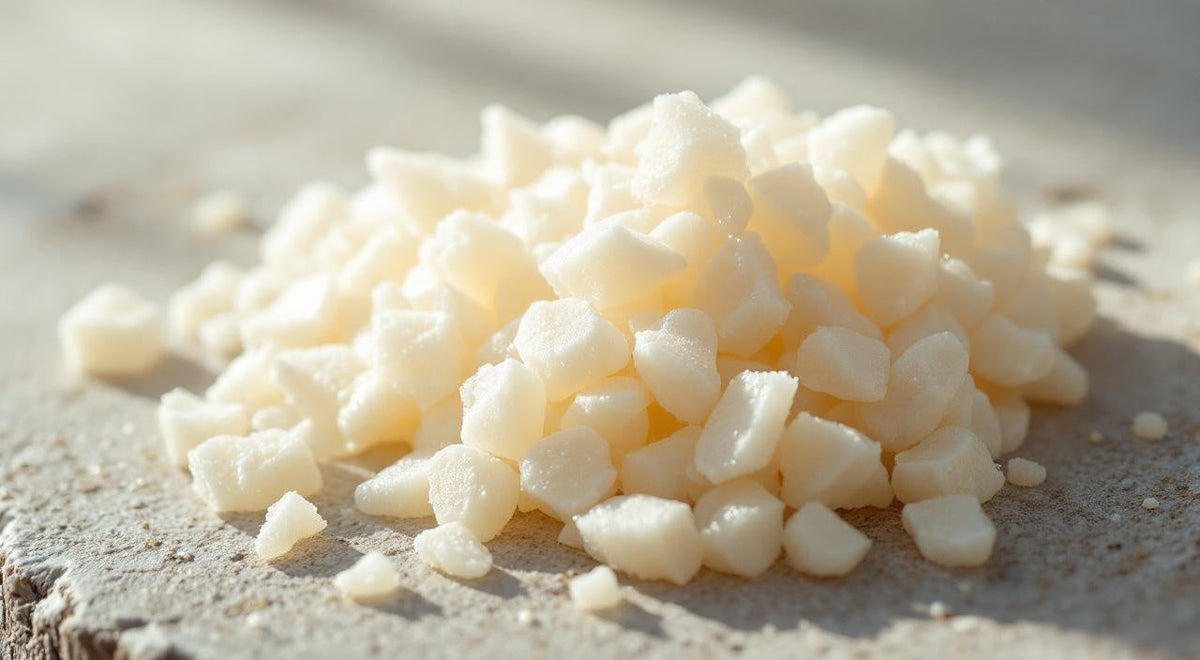
No human clinical trials exist specifically for cactus honey, with current evidence limited to in vitro studies on similar monofloral honeys. Manuka honey studies showed IC50 values of ~14.8 mg/mL for antiviral activity and 2-6% concentrations for antimicrobial effects against planktonic bacteria. Cell culture studies demonstrated protective effects against H2O2-induced DNA damage in Caco-2 cells at 1-3 mg/mL concentrations. The evidence base remains preliminary and requires human clinical validation for therapeutic applications.

Origin
Cactus Honey is a unique bee product primarily derived from the nectar of various cactus species, including Opuntia and Agave. It originates from arid and semi-arid regions of Mexico, the Southwestern United States, and South America. This honey is prized for its distinct low-glycemic profile and rich inulin content, offering significant benefits for metabolic and gut health.
Potential benefits
- Stabilizes glucose levels: and enhances insulin sensitivity, supporting metabolic health through its low glycemic index and inulin content.
- Nourishes beneficial gut: bacteria and improves digestive function via its soluble fibers and polyphenols, acting as a prebiotic.
- Neutralizes free radicals: and reduces oxidative stress, providing cellular protection through its rich content of flavonoids and vitamin C.
- Boosts immune resilience: and soothes respiratory pathways due to its inherent antimicrobial properties.
- Provides sustained energy: without glucose crashes, thereby supporting athletic performance and cognitive endurance.
How it works
Flavonoids including luteolin, apigenin, and kaempferol neutralize reactive oxygen species through hydroxyl group donation while activating the Keap1-Nrf2 antioxidant pathway. Luteolin specifically deactivates NF-κB inflammatory signaling and upregulates Nrf2, while phenolic acids like gallic and caffeic acid provide additional free radical scavenging capacity. The inulin content supports glucose metabolism by enhancing insulin sensitivity and promoting beneficial gut bacteria growth.
What the research says
Research indicates that cactus honey's low glycemic index and inulin content contribute to blood sugar regulation and gut microbiome support. Studies highlight its antioxidant capacity from flavonoids and vitamin C, alongside antimicrobial properties that bolster immune function. Further investigation is ongoing into its full spectrum of metabolic and performance-enhancing benefits.
Safety and interactions
Specific safety data for cactus honey is not available in current literature, though general honey safety profiles suggest low risk for most adults. Potential concerns include Maillard reaction products from improper storage or processing that may form unwanted protein-sugar compounds. Raw honey carries risk of infant botulism in children under 12 months and should be avoided in this population. No documented drug interactions exist, though individuals with severe pollen allergies should exercise caution with monofloral honey varieties.
Suggested use
- Available as raw honey, infused extracts, and powdered sweeteners.
- Commonly used in functional foods, gut health supplements, and as a low-glycemic alternative in recipes.
- Dosage: 1–2 teaspoons (5–10 ml) daily for metabolic support; up to 20 ml as a sugar alternative in recipes.
Frequently asked questions
What makes cactus honey different from regular honey?
Cactus honey is a monofloral variety derived specifically from cactus nectar, containing higher concentrations of unique flavonoids like luteolin and apigenin compared to multifloral honey. Its low glycemic index and inulin content from cactus sources provide enhanced metabolic benefits not found in conventional honey varieties.
Can cactus honey help regulate blood sugar levels?
Cactus honey's low glycemic index and natural inulin content may support glucose metabolism and insulin sensitivity better than regular honey. However, no human clinical trials have specifically tested cactus honey's effects on blood sugar, so evidence remains theoretical based on its biochemical composition.
Is cactus honey safe for diabetics?
While cactus honey may have a lower glycemic impact than regular honey due to its inulin content, it still contains natural sugars that affect blood glucose. Diabetics should consult healthcare providers before use and monitor blood sugar levels, as no clinical studies have established safe dosing guidelines.
What antioxidant compounds are found in cactus honey?
Cactus honey contains flavonoids including luteolin, apigenin, catechin, kaempferol, and chrysin, along with phenolic acids like gallic, caffeic, and p-coumaric acids. These compounds provide antioxidant protection through free radical scavenging and activation of cellular antioxidant pathways like Keap1-Nrf2.
Where does authentic cactus honey come from?
Authentic cactus honey originates primarily from arid regions of Mexico and the Southwestern United States where bees collect nectar from Opuntia (prickly pear) and Agave species. The desert environment and specific cactus flora contribute to its unique bioactive compound profile and distinctive flavor characteristics.
How does cactus honey compare to agave nectar for blood sugar management?
While both are plant-based sweeteners with lower glycemic indexes than regular sugar, cactus honey contains inulin and polyphenols that provide additional prebiotic and antioxidant benefits that agave nectar lacks. Cactus honey's soluble fiber content makes it more effective at supporting gut health and insulin sensitivity compared to agave's simpler carbohydrate profile. For metabolic support beyond sweetening, cactus honey offers a more comprehensive nutritional advantage.
References
- https://www.frontiersin.org/articles/10.3389/fphar.2022.875214/full
- https://pubmed.ncbi.nlm.nih.gov/32165982
- https://doi.org/10.1016/j.jff.2021.105289
- https://www.sciencedirect.com/science/article/abs/pii/S1756464621012351
- https://www.ncbi.nlm.nih.gov/pmc/articles/PMC7584376
This article is educational and is not medical advice. Statements have not been evaluated by the FDA and are not intended to diagnose, treat, cure, or prevent any disease. Consult a healthcare professional before use.