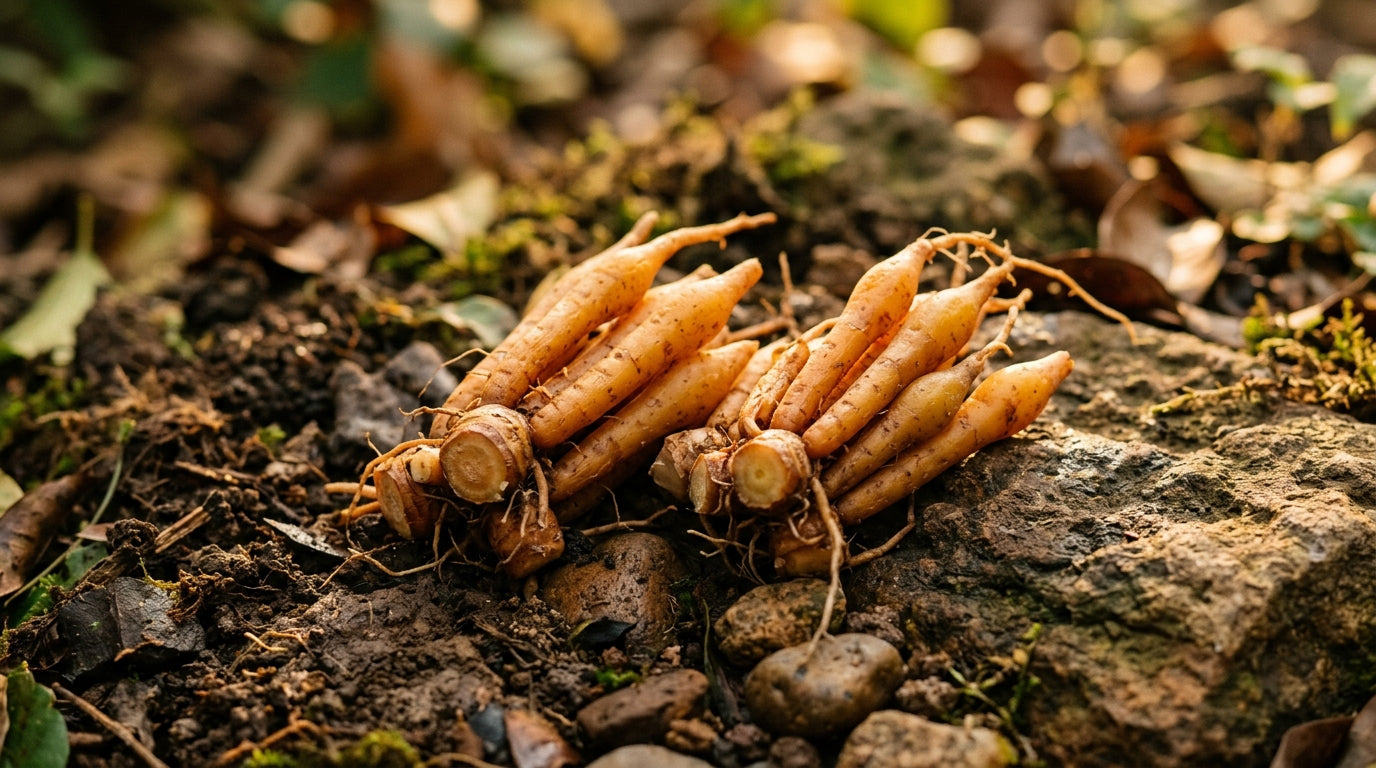
Garlic vine (Mansoa alliacea) contains sulfur compounds and flavonoids that demonstrate antioxidant and immune-modulating effects through inhibition of pro-inflammatory pathways. The plant's bioactive constituents support respiratory function by enhancing mucociliary clearance and exhibit cardiovascular benefits via nitric oxide-mediated vasodilation.

Origin
Garlic vine (Mansoa alliacea), also known as ajo sacha, is native to the tropical rainforests of Central and South America, particularly the Amazon basin. Thriving in warm, humid climates, it is known for its striking purple flowers and garlic-like aroma when crushed. This vine holds significant cultural and medicinal value among Indigenous Amazonian communities, prized for its sulfur compounds and antioxidants that support immune, respiratory, and cardiovascular health.
Potential benefits
- Supports immune health through rich antioxidant content (flavonoids, polyphenols) and sulfur compounds, combating oxidative stress and infections.
- Aids respiratory health by acting as a natural expectorant, helping to clear congestion and alleviate symptoms of colds and coughs.
- Promotes cardiovascular wellness by improving blood circulation, regulating blood pressure, and reducing cholesterol levels.
- Reduces systemic inflammation and benefits joint health through its anti-inflammatory properties.
- Contributes to cognitive function by protecting neural tissues from oxidative damage, enhancing memory and mental clarity.
- Supports digestive health through mild laxative effects and its ability to balance gut microbiota.
- Enhances stress resilience and promotes relaxation through its calming properties.
How it works
Garlic vine's sulfur compounds and polyphenolic flavonoids exert antioxidant effects by scavenging reactive oxygen species and upregulating endogenous antioxidant enzymes like glutathione peroxidase. The plant's bioactive constituents modulate inflammatory pathways by inhibiting nuclear factor-kappa B (NF-κB) activation and reducing pro-inflammatory cytokine production. Cardiovascular effects occur through nitric oxide synthase activation, promoting vasodilation and improved endothelial function.
What the research says
Limited clinical research exists specifically on Mansoa alliacea, with most studies being preclinical investigations of antioxidant capacity and anti-inflammatory activity in laboratory settings. Traditional use studies from Amazonian ethnobotanical surveys document respiratory and immune applications, but controlled human trials are lacking. The existing evidence base relies primarily on phytochemical analyses and in vitro antioxidant assays rather than randomized controlled trials. Current research validation stems mainly from traditional medicine documentation rather than rigorous clinical investigation.
Safety and interactions
Safety data for garlic vine is limited due to insufficient clinical research, requiring caution in therapeutic applications. Potential interactions with anticoagulant medications may occur due to sulfur compound content, similar to related Allium species. Gastrointestinal upset and allergic reactions are possible, particularly in individuals sensitive to sulfur-containing compounds. Pregnant and breastfeeding women should avoid use due to lack of safety data, and consultation with healthcare providers is essential before combining with prescription medications.
Suggested use
- Common forms: Dried leaves, bark, and flowers for teas and decoctions; standardized extracts in capsules and tinctures; essential oil for aromatherapy.
- Traditional use: Brewed into teas for respiratory ailments, digestive issues, and joint pain; applied topically as poultices for wounds and skin infections.
- Dosage (tea): Brew 1–2 grams of dried garlic vine leaves in hot water for 10–15 minutes.
- Dosage (extract): 250–500 mg of standardized extract daily for immune, respiratory, and cardiovascular support.
Frequently asked questions
What is the difference between garlic vine and regular garlic?
Garlic vine (Mansoa alliacea) is a climbing plant from the Amazon rainforest, while regular garlic (Allium sativum) is a bulbous plant from the onion family. Both contain sulfur compounds but belong to completely different plant families and have distinct phytochemical profiles.
How is garlic vine traditionally used in herbal medicine?
Traditional Amazonian medicine uses garlic vine leaves and stems as decoctions for respiratory conditions, immune support, and inflammatory disorders. Indigenous communities prepare the plant as teas or topical applications for treating colds, coughs, and joint pain.
What are the active compounds in garlic vine?
Garlic vine contains sulfur compounds responsible for its garlic-like aroma, along with flavonoids and polyphenolic compounds that provide antioxidant activity. The specific sulfur metabolites differ from those found in true garlic but contribute similar bioactive properties.
Is garlic vine safe to consume as a supplement?
Safety data for garlic vine supplements is limited due to lack of clinical trials and standardized preparations. Potential side effects may include gastrointestinal upset and possible interactions with blood-thinning medications, requiring medical supervision.
Where can garlic vine be found naturally?
Garlic vine grows naturally in the tropical rainforests of Central and South America, particularly throughout the Amazon basin. The plant thrives in warm, humid climates and is cultivated in some regions for traditional medicinal use.
How does garlic vine compare to garlic supplements in terms of effectiveness for immune support?
Garlic vine contains comparable sulfur compounds and antioxidants to traditional garlic, but the vine's aerial parts offer a unique profile of flavonoids and polyphenols that may provide additional anti-inflammatory benefits. While garlic cloves are more concentrated in certain volatile compounds, garlic vine supplements may offer broader antioxidant coverage due to their diverse phytochemical composition. Clinical research on garlic vine specifically is more limited than that on garlic bulbs, making direct efficacy comparisons challenging.
What is the most effective form of garlic vine supplement—fresh, dried, extract, or capsule?
Standardized extracts and capsules typically offer more consistent dosing and bioavailability compared to fresh or dried forms, as they concentrate the active compounds and improve absorption. However, whole dried garlic vine retains the full spectrum of phytochemicals and may provide synergistic benefits that isolated extracts lack. The optimal form depends on your health goals and tolerance; extracts work faster for acute respiratory support, while whole plant forms may offer better long-term immune benefits.
Does garlic vine interact with blood pressure or cholesterol medications?
Garlic vine's compounds that support cardiovascular health—such as sulfur compounds and polyphenols—may enhance the effects of antihypertensive and statin medications, potentially requiring dose adjustments. This means combining garlic vine supplements with blood pressure or cholesterol drugs should only be done under medical supervision to avoid additive effects or hypotension. Those taking warfarin or other anticoagulants should also consult their healthcare provider, as garlic vine may have mild anticoagulant properties.
References
- https://fdc.nal.usda.gov/fdc-app.html#/search?query=Garlic+Vine+Flowers
- https://fdc.nal.usda.gov/fdc-app.html#/search?query=Garlic+Vine+Leaf
- https://www.ncbi.nlm.nih.gov/search/all/?term=Garlic+Vine
- https://www.ncbi.nlm.nih.gov/search/all/?term=Garlic+Vine+Flowers
- https://www.ncbi.nlm.nih.gov/search/all/?term=Garlic+Vine+Leaf
- https://pubmed.ncbi.nlm.nih.gov/35591285
- https://www.ncbi.nlm.nih.gov/pmc/articles/PMC3105883/
- https://www.ncbi.nlm.nih.gov/pmc/articles/PMC5915430/
- https://www.ncbi.nlm.nih.gov/pmc/articles/PMC7598801/
- https://www.ncbi.nlm.nih.gov/pmc/articles/PMC7892045/
- https://www.sciencedirect.com/science/article/pii/S1756464620303771
- https://www.sciencedirect.com/science/article/pii/S2213453020301845
This article is educational and is not medical advice. Statements have not been evaluated by the FDA and are not intended to diagnose, treat, cure, or prevent any disease. Consult a healthcare professional before use.