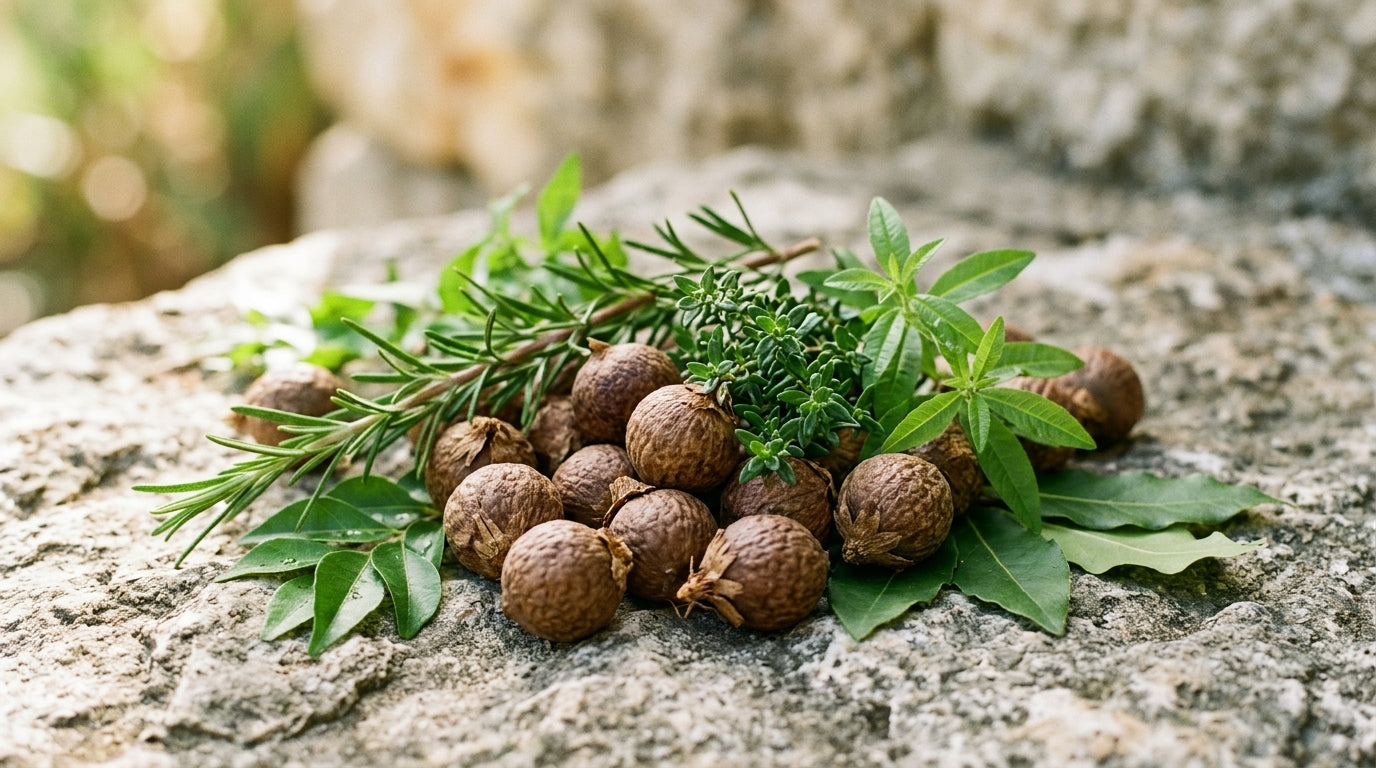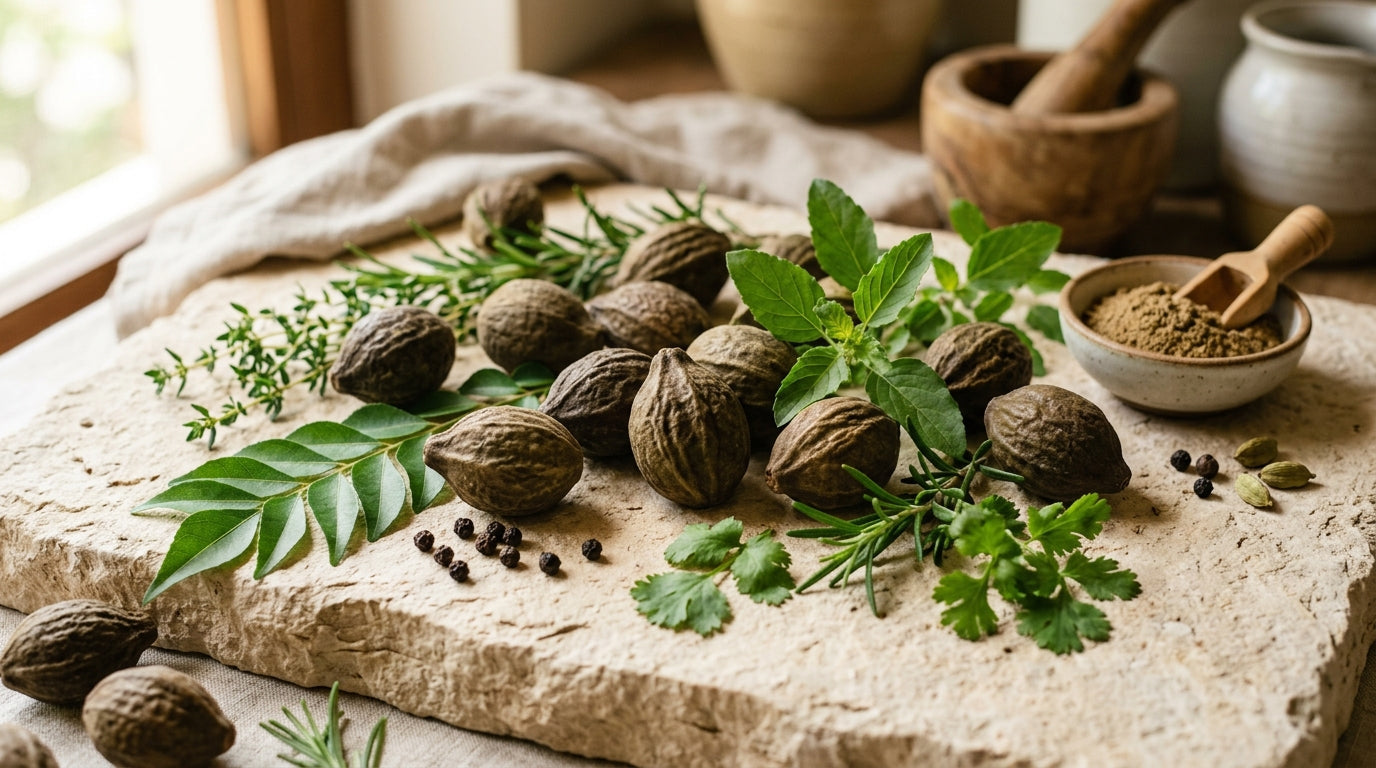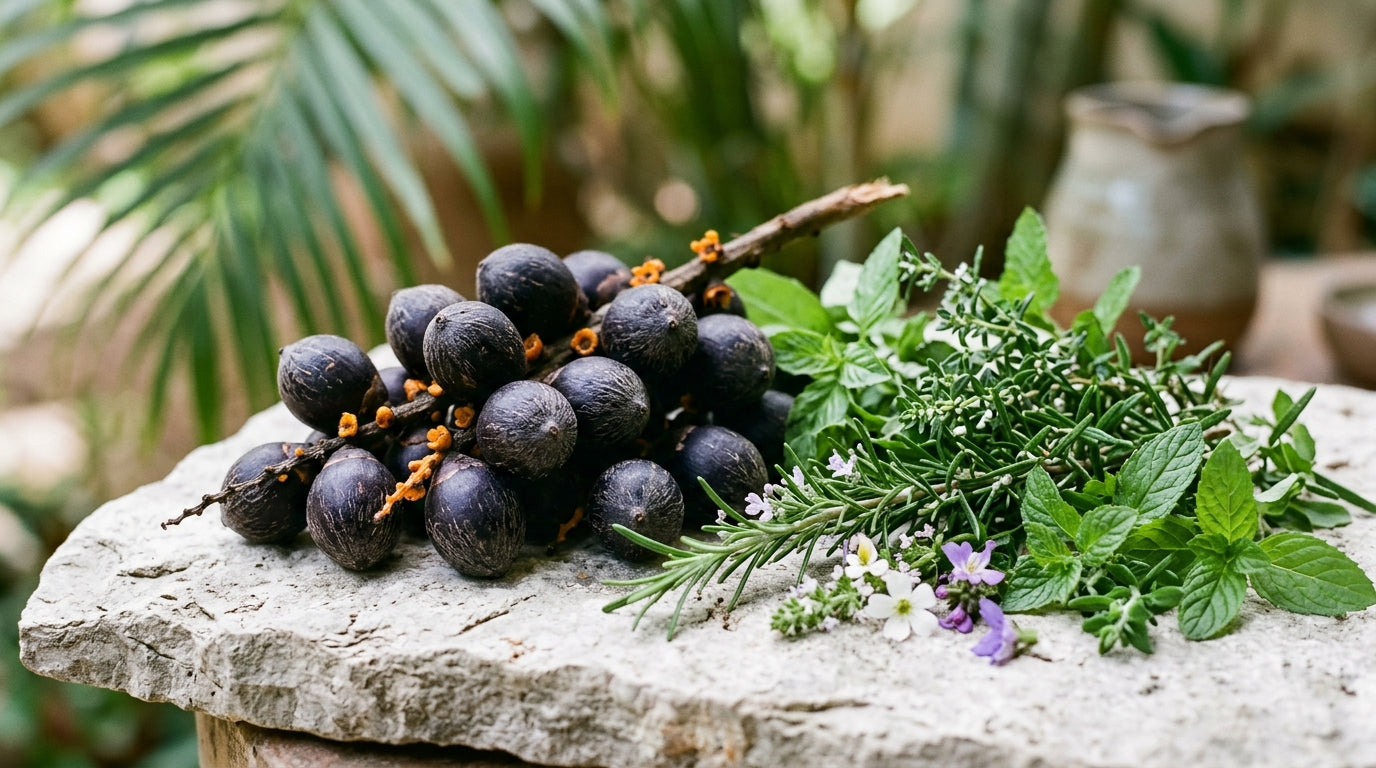
Bacaba palm kernel (Oenocarpus bacaba) contains cyanidin-3-O-rutinoside as its primary anthocyanin compound, reaching concentrations of 96.51-470 µg/g in extracts. These bioactive compounds demonstrate potent antioxidant activity through direct radical scavenging mechanisms, with ORAC values of 194.67-195 µM Trolox/g.

Origin
The Bacaba Palm Kernel is the nutrient-dense seed of the Bacaba palm (Oenocarpus bacaba), a species native to the Amazon rainforest and tropical lowlands of Brazil, Colombia, and Peru. This kernel is a significant source of functional fats and bioactive compounds. It is prized in functional nutrition for its comprehensive support of cardiovascular, cognitive, and metabolic health.
Potential benefits
- Protects cardiovascular health by providing monounsaturated and polyunsaturated fats that support healthy lipid profiles.
- Enhances cognitive function through its rich profile of neuroprotective polyphenols and carotenoids.
- Modulates metabolic balance by supplying essential fatty acids and plant sterols.
- Boosts immune resilience via its content of tocopherols and antioxidant compounds.
- Supports skin hydration and elasticity due to its beneficial fatty acid composition.
- Promotes digestive wellness through its fiber content, aiding gut motility.
How it works
Cyanidin-3-O-rutinoside and rutin compounds in bacaba kernel act as direct free radical scavengers, achieving 92.17% β-carotene/linoleic acid oxidation inhibition. The anthocyanins demonstrate anti-adipogenic effects by down-regulating PPARγ and C/EBPα expression in 3T3-L1 adipocytes. Phenolic compounds correlate directly with antioxidant capacity through DPPH and ORAC pathways.
What the research says
Current evidence is limited to in vitro antioxidant assays and cell culture studies, with no human clinical trials reported. Laboratory studies demonstrate strong antioxidant activity with DPPH scavenging values of 47.46 g pulp/g DPPH and high carotenoid content (500-2000 µg/100g). Cell studies show anti-adipogenic effects in 3T3-L1 cells, but therapeutic claims require validation through controlled human trials. The evidence base remains preliminary despite promising bioactive compound profiles.
Safety and interactions
No specific safety concerns, drug interactions, or contraindications have been identified in available research. Extraction methods using supercritical CO₂ suggest low toxicity potential for processed kernel products. The high oleic acid content indicates thermal and oxidative stability for food applications. However, comprehensive safety data including pregnancy considerations and potential drug interactions remain unstudied and require further investigation.
Suggested use
- Consume 10–20 grams of kernels daily, raw or roasted, for energy and endurance.
- Take 1–2 teaspoons of Bacaba Palm Kernel oil daily, often in functional butters or brain supplements.
- Apply the oil topically for skin and scalp health.
Frequently asked questions
What is the main bioactive compound in bacaba palm kernel?
Cyanidin-3-O-rutinoside is the primary anthocyanin compound, present at concentrations of 96.51-470 µg/g in extracts. This compound is responsible for the kernel's potent antioxidant properties and contributes to its therapeutic potential.
How strong is the antioxidant activity of bacaba palm kernel?
Bacaba demonstrates exceptional antioxidant capacity with ORAC values of 194.67-195 µM Trolox/g and 92.17% β-carotene/linoleic acid oxidation inhibition. These values represent the highest antioxidant activity among studied Amazonian palm species.
Are there any clinical studies on bacaba palm kernel in humans?
No human clinical trials have been conducted on bacaba palm kernel to date. Current evidence is limited to in vitro antioxidant assays and cell culture studies, requiring further research to validate therapeutic claims.
Is bacaba palm kernel safe to consume?
No adverse effects have been reported in compositional studies, and extraction methods suggest low toxicity. However, comprehensive safety data including drug interactions and pregnancy considerations have not been established through formal toxicology studies.
Where does bacaba palm kernel come from naturally?
Bacaba palm kernel comes from Oenocarpus bacaba, a palm species native to the Amazon rainforest regions of Brazil, Colombia, and Peru. The kernel is harvested from the nutrient-dense seeds found within the palm's fruit.
Can bacaba palm kernel support heart health through its fat composition?
Yes, bacaba palm kernel is rich in monounsaturated and polyunsaturated fats that help maintain healthy cholesterol levels and support overall cardiovascular function. These beneficial fats work to improve lipid profiles, which is important for long-term heart health and reducing cardiovascular risk. The fat composition makes bacaba palm kernel a heart-healthy addition to supplement regimens.
Does bacaba palm kernel contain compounds that support brain function?
Bacaba palm kernel contains neuroprotective polyphenols and carotenoids that may enhance cognitive function and support brain health. These bioactive compounds help protect neural tissue from oxidative stress, which is important for maintaining mental clarity and memory. The combination of antioxidants and phytonutrients makes it a potentially valuable ingredient for cognitive support.
What role do plant sterols in bacaba palm kernel play in health?
Plant sterols in bacaba palm kernel help modulate metabolic balance by supporting healthy cholesterol metabolism and lipid management. These compounds work synergistically with the kernel's essential fatty acids to promote metabolic wellness. Plant sterols are well-researched for their role in maintaining healthy lipid levels and supporting overall metabolic function.
References
- https://www.ncbi.nlm.nih.gov/search/all/?term=Bacaba+Palm+Kernel
- https://pubmed.ncbi.nlm.nih.gov/31587321
- https://www.sciencedirect.com/science/article/pii/S1756464622001765
- https://www.ncbi.nlm.nih.gov/pmc/articles/PMC7934125/
This article is educational and is not medical advice. Statements have not been evaluated by the FDA and are not intended to diagnose, treat, cure, or prevent any disease. Consult a healthcare professional before use.