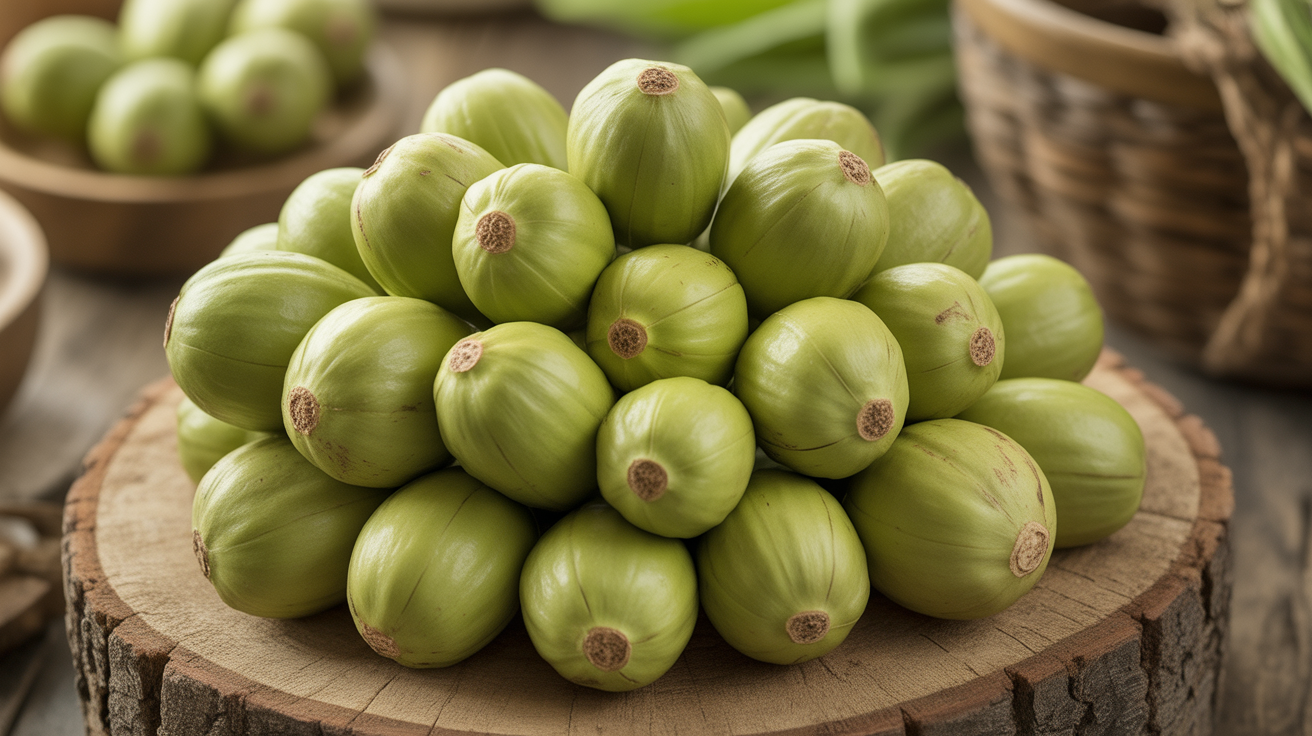
Clinical research specifically on "Bamboo Sugar" as a distinct functional ingredient is currently emerging and limited. While studies on isolated components like bamboo-derived oligosaccharides confirm their prebiotic effects in human and animal models, and research validates silica's role in collagen and bone health, direct human clinical trials evaluating the overall health impact or efficacy of "Bamboo Sugar" are scarce. Therefore, most health claims are extrapolated from studies on general bamboo extracts or individual bioactive compounds found within bamboo.

Origin
Bamboo Sugar is a natural sweetener derived from the sap or stalks of various bamboo species (Bambusa spp.), predominantly cultivated across Southeast Asia, China, and India. It is traditionally valued for its unique nutritional profile, offering a low-glycemic alternative to refined sugars with additional functional benefits.
Potential benefits
- Supports gut health by providing oligosaccharides, which act as prebiotics to nourish beneficial gut bacteria.
- Aids in blood sugar balance due to its lower glycemic index compared to refined sugars.
- Enhances collagen production through its high silica content, a vital mineral for connective tissue integrity.
- Modulates metabolic function by supplying essential minerals and bioactive compounds.
- Contributes to bone and joint health, leveraging silica's role in mineral absorption and bone matrix formation.
How it works
While "Bamboo Sugar" itself lacks defined mechanisms, the bioactive compounds within bamboo extracts contribute to its purported effects. Polyphenols and flavonoids act as antioxidants by scavenging free radicals, donating hydrogen atoms, and chelating metal ions. Phytosterols, such as β-sitosterol, help reduce LDL cholesterol absorption in the gut. Additionally, natural oligosaccharides from bamboo can serve as prebiotics, fostering beneficial gut bacteria, while silica supports collagen synthesis crucial for connective tissues.
What the research says
Scientific research specifically on 'Bamboo Sugar' as a distinct functional ingredient is emerging. However, studies on its key components, such as oligosaccharides, confirm their prebiotic effects, and research on silica highlights its role in collagen synthesis and bone health. Further human clinical trials are needed to fully elucidate its comprehensive benefits.
Safety and interactions
Safety data specifically for concentrated "Bamboo Sugar" products is limited due to the lack of a distinct definition. However, bamboo shoots are widely consumed as food and are generally considered safe. Potential side effects from high consumption of bamboo extracts might include gastrointestinal discomfort in sensitive individuals, similar to other high-fiber or novel food components. Individuals with known allergies to bamboo or other grasses should exercise caution. Due to insufficient specific data, pregnant or breastfeeding individuals, and those on medications, should consult a healthcare professional before consuming "Bamboo Sugar" supplements.
Suggested use
- Common forms: Granulated sugar, powder, or syrup.
- Culinary use: Employ as a low-glycemic sweetener in teas, coffees, smoothies, baked goods, and functional blends.
- Dosage: Use 1-2 teaspoons (5-10 grams) daily as a sweetener, adjusting to taste and dietary needs.
- Timing: Can be consumed at any time of day as a natural sugar alternative.
Frequently asked questions
What exactly is "Bamboo Sugar" and how is it obtained?
"Bamboo Sugar" is not a scientifically defined distinct compound, but typically refers to natural sugars found in the sap or stalks of various bamboo species (Bambusa spp.) or within bamboo extracts. It's often collected and processed as a natural sweetener alongside other bioactive bamboo components.
Is "Bamboo Sugar" different from regular refined sugar?
Yes, it is expected to be different. Unlike refined white sugar, "Bamboo Sugar" is purported to contain natural minerals, vitamins, and other bioactive compounds (like prebiotics and silica) inherent to the bamboo plant, which refined sugars lack. It may also have a lower glycemic index due to its complex sugar profile and fiber content.
What health benefits are associated with "Bamboo Sugar"?
The purported benefits are derived from the overall composition of bamboo extracts rather than just the sugar. These include supporting gut health through prebiotics, aiding blood sugar balance due to a potentially lower glycemic index, enhancing collagen production via silica content, and providing antioxidant effects from polyphenols.
Are there scientific studies supporting the benefits of "Bamboo Sugar"?
Direct clinical studies on "Bamboo Sugar" as a standalone ingredient are limited and emerging. However, extensive research supports the benefits of its individual components, such as oligosaccharides for gut health, silica for connective tissue, and bamboo polyphenols for antioxidant activity.
Are there any known side effects or interactions with "Bamboo Sugar"?
Specific side effect data for concentrated "Bamboo Sugar" products is scarce. Generally, bamboo shoots are safe as food. Individuals with bamboo allergies should avoid it. As with any supplement, pregnant or breastfeeding individuals and those on medication should consult a healthcare professional, given the lack of specific safety data.
What is the recommended daily dosage of Bamboo Sugar, and when should I take it?
Typical supplemental dosages range from 1-3 grams daily, though some formulations suggest up to 5 grams, best divided into doses with meals to support gradual absorption and metabolic processing. Since Bamboo Sugar acts as a prebiotic, taking it consistently with food helps maximize its effect on gut bacteria colonization and reduces the likelihood of digestive adjustment. Consult with a healthcare provider for personalized dosing based on your individual health status and goals.
References
This article is educational and is not medical advice. Statements have not been evaluated by the FDA and are not intended to diagnose, treat, cure, or prevent any disease. Consult a healthcare professional before use.