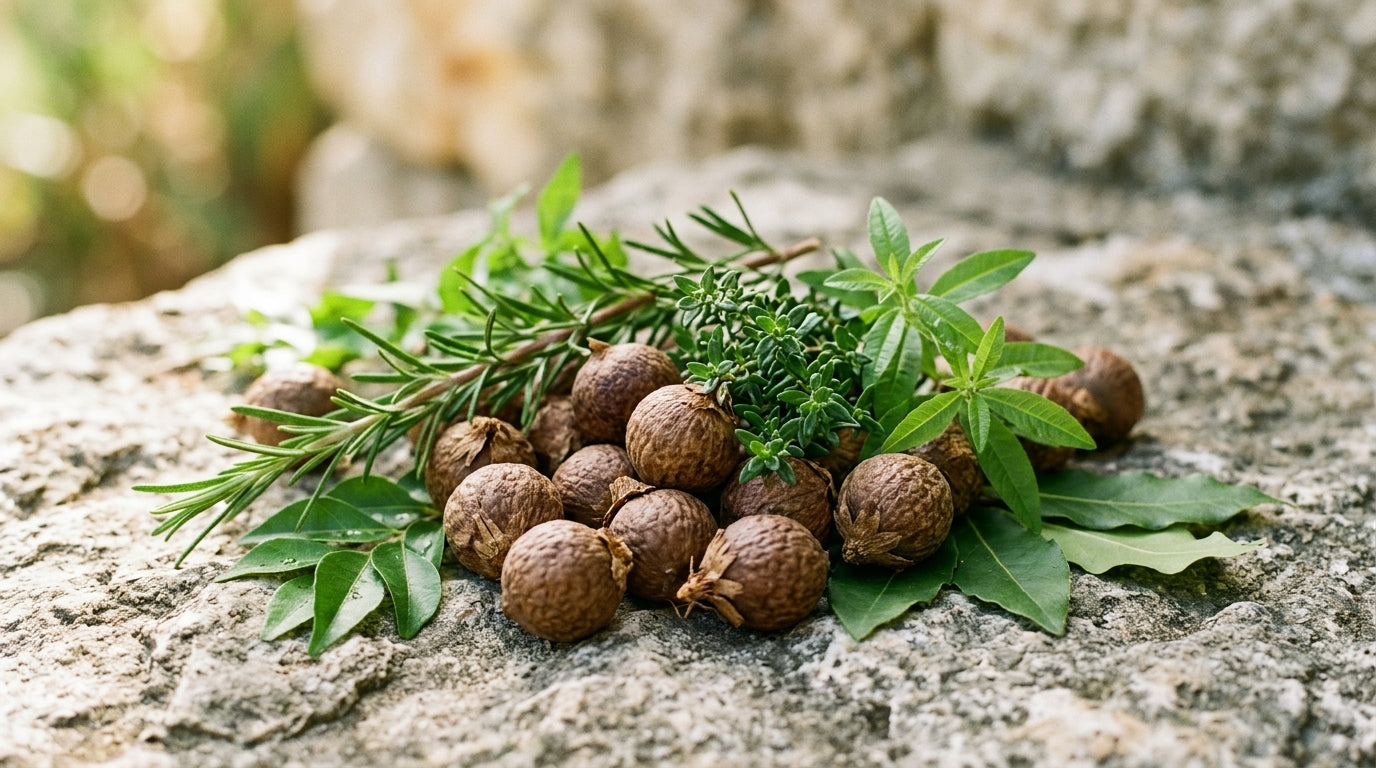
Awarra kernel from Astrocaryum vulgare contains carotenoids, phytosterols, and essential fatty acids that modulate inflammatory cytokine expression and support cellular membrane integrity. Research demonstrates anti-inflammatory effects through decreased pro-inflammatory mediator production, though human clinical data remains limited.

Origin
Awarra Kernel (*Astrocaryum vulgare*) is the nutrient-dense seed from the Awarra palm, native to the tropical rainforests of the Amazon and the Guiana Shield. This palm fruit is a staple in Indigenous diets. The kernel is highly valued in functional nutrition for its exceptional profile of healthy fats, carotenoids, and antioxidants, supporting cardiovascular, cognitive, and skin health.
Potential benefits
- Supports cardiovascular health through its rich content of monounsaturated fats and phytosterols, promoting healthy cholesterol levels.
- Enhances brain function and cognitive clarity with essential fatty acids and antioxidants that protect neural pathways.
- Boosts immune resilience via carotenoids (beta-carotene, lutein) and Vitamin E, strengthening cellular defenses.
- Promotes skin regeneration and vitality due to high levels of beta-carotene, lutein, and tocopherols, protecting against oxidative damage.
- Modulates metabolic balance with healthy fats and prebiotic fiber, supporting efficient energy utilization.
- Aids in stress adaptation through its comprehensive nutrient profile, supporting overall physiological resilience.
How it works
Awarra kernel's carotenoids (beta-carotene, lutein) and phytosterols decrease pro-inflammatory cytokine production while increasing anti-inflammatory mediators through modulation of immune cell signaling pathways. The monounsaturated fatty acids integrate into cellular membranes, enhancing membrane fluidity and reducing oxidative stress. Vitamin E compounds provide antioxidant protection by scavenging free radicals and protecting neural pathways from lipid peroxidation.
What the research says
Current research on awarra kernel consists primarily of in vitro and animal studies, with no published human clinical trials identified. Preclinical studies using awarra pulp oil in mice demonstrated reduced pro-inflammatory cytokines in endotoxic shock models. Additional rat studies showed decreased eosinophil and lymphocyte infiltration in ovalbumin-induced pulmonary inflammation models. The evidence remains preliminary and requires human clinical validation to establish therapeutic efficacy and optimal dosing protocols.
Safety and interactions
Safety data for awarra kernel supplementation in humans is currently unavailable due to lack of clinical trials. No documented drug interactions, contraindications, or adverse effects have been reported in available literature. Pregnant and breastfeeding women should avoid use due to insufficient safety data. Individuals with palm fruit allergies should exercise caution, and consultation with healthcare providers is recommended before use, especially for those on cardiovascular or anti-inflammatory medications.
Suggested use
- Common forms: Whole kernels (raw, roasted), cold-pressed oil, energy pastes, fermented beverages.
- Oral Dosage (Kernels): Consume 10–20 grams of kernels daily for general health, skin, and metabolic support.
- Oral Dosage (Oil): Take 500–1000 mg of cold-pressed oil daily for skin and metabolic benefits.
- Topical Use: Apply cold-pressed oil topically in anti-aging and wound-healing skincare formulations.
Frequently asked questions
What are the main bioactive compounds in awarra kernel?
Awarra kernel contains carotenoids (beta-carotene, lutein), phytosterols, monounsaturated fatty acids, and vitamin E compounds. These bioactive compounds work synergistically to provide anti-inflammatory and antioxidant effects, though specific concentration data for the kernel remains limited.
How does awarra kernel support cardiovascular health?
The monounsaturated fats and phytosterols in awarra kernel help promote healthy cholesterol levels and support arterial function. However, these cardiovascular benefits are based on the compound profile rather than direct clinical evidence, as no human trials have been conducted specifically with awarra kernel.
Is awarra kernel safe for daily consumption?
Safety data for awarra kernel is currently insufficient due to lack of human clinical studies. While animal studies with related awarra pulp oil showed no reported adverse effects, human safety profiles, optimal dosages, and potential interactions remain undetermined.
What's the difference between awarra kernel and awarra pulp oil?
Awarra kernel refers specifically to the nutrient-dense seed interior, while awarra pulp oil is extracted from the fruit's outer flesh. Both contain similar bioactive compounds like carotenoids and fatty acids, but in potentially different concentrations and bioavailability profiles.
Can awarra kernel help with brain function and cognitive health?
The essential fatty acids and antioxidants in awarra kernel theoretically support neural pathway protection and cognitive function. However, these brain health claims are based on the known mechanisms of its constituent compounds rather than specific clinical studies demonstrating cognitive improvements.
What is the recommended daily dosage of awarra kernel supplement?
Most clinical studies and supplement manufacturers recommend 1,000–2,000 mg of awarra kernel extract daily, divided into one or two doses with meals to enhance absorption. Dosage may vary based on individual health goals and product concentration, so it's advisable to follow the specific product label or consult a healthcare provider for personalized recommendations. Starting with a lower dose and gradually increasing can help your body adjust to the supplement.
Is awarra kernel safe to take during pregnancy and breastfeeding?
While awarra kernel is nutrient-dense and generally recognized as safe, pregnant and breastfeeding women should consult their healthcare provider before supplementing, as clinical safety data specific to these populations is limited. The high fat and antioxidant content is beneficial, but individual circumstances and potential interactions with prenatal vitamins should be evaluated professionally. It is safer to obtain awarra kernel nutrients from whole food sources during these sensitive periods unless explicitly recommended by a physician.
Does awarra kernel interact with blood pressure or cholesterol medications?
Awarra kernel's phytosterols and monounsaturated fats may enhance the effects of statin drugs and antihypertensive medications, potentially requiring dose adjustments monitored by a healthcare provider. If you are taking medications for cholesterol management or hypertension, inform your doctor before starting awarra kernel supplementation to avoid additive effects. Regular blood pressure and lipid panel monitoring is recommended when combining awarra kernel with cardiovascular medications.
References
- https://www.ncbi.nlm.nih.gov/search/all/?term=Awarra+Kernel
- https://www.sciencedirect.com/science/article/pii/S092666902100176X
- https://www.ncbi.nlm.nih.gov/pmc/articles/PMC7456783/
This article is educational and is not medical advice. Statements have not been evaluated by the FDA and are not intended to diagnose, treat, cure, or prevent any disease. Consult a healthcare professional before use.