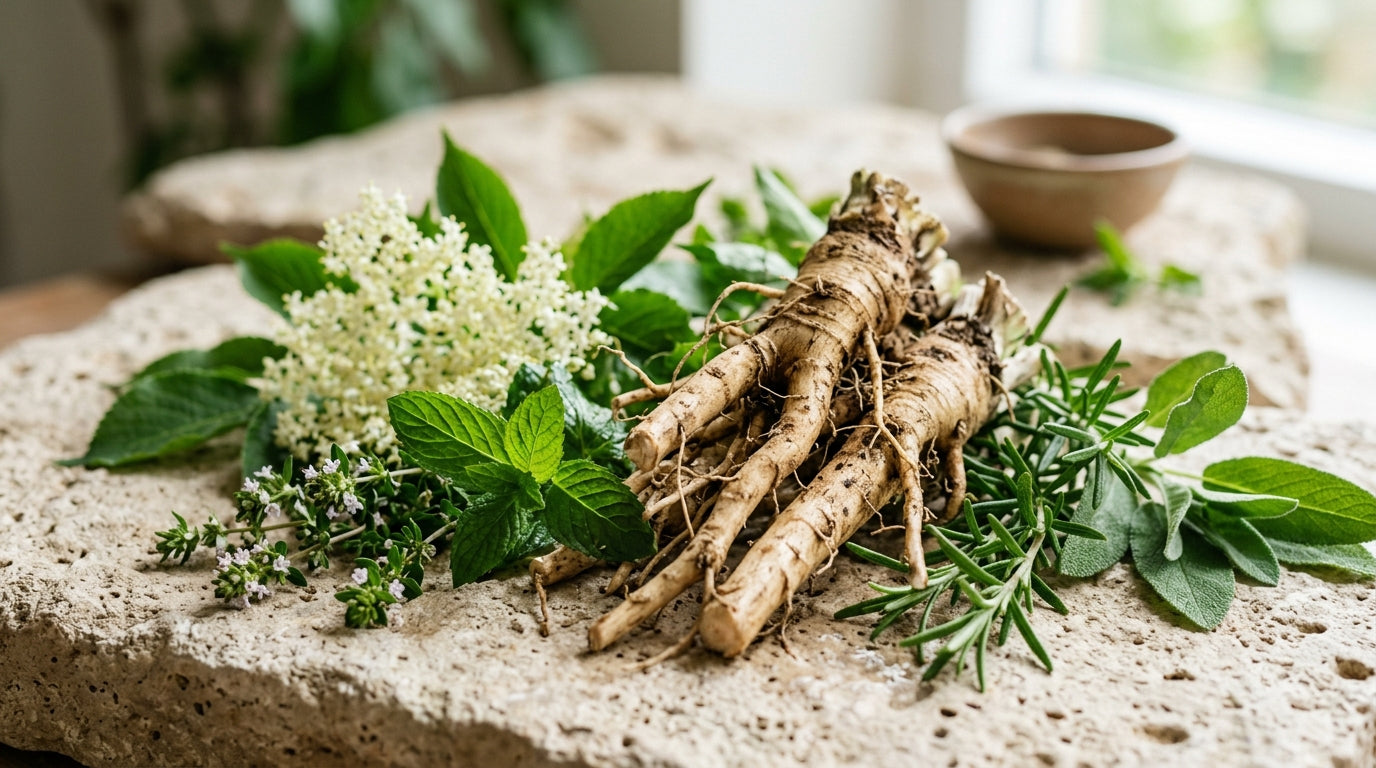
Elephant Apple (*Dillenia indica* L.) contains betulinic acid as its primary bioactive compound, demonstrating anticancer activity against leukemia cell lines with IC50 values of 12.84-15.27 µg/mL. The plant's phenolic compounds and proanthocyanidins provide antioxidant, antimicrobial, and hepatoprotective effects through bacterial cell wall disruption and free radical scavenging.

Origin
Elephant Apple Vine, likely referring to a species related to *Dillenia indica* or a similar tropical vine, is native to the tropical rainforests and riverine ecosystems of South and Southeast Asia. It thrives in humid environments, where its fruits are traditionally valued for their tart flavor and functional properties. This botanical contributes to regional biodiversity and traditional wellness practices.
Potential benefits
- Supports digestive health by promoting gut motility and a balanced microbiome.
- Reduces systemic inflammation through its rich content of bioactive compounds.
- Enhances immune resilience, strengthening the body's natural defense mechanisms.
- Promotes cardiovascular wellness by supporting healthy circulation and blood pressure.
- Aids cognitive function, contributing to mental clarity and focus.
- Improves metabolic efficiency, supporting balanced energy utilization.
How it works
Betulinic acid, the primary bioactive compound, exerts selective cytotoxicity against cancer cells while sparing healthy tissue through targeted cellular mechanisms. Phenolic compounds disrupt bacterial cell walls and cause genetic material leakage, providing antimicrobial effects. The plant's proanthocyanidins and flavonoids scavenge free radicals and enhance immune function by increasing IgM production by 90.72% at 200 µg/mL concentrations.
What the research says
Current evidence is primarily based on preclinical studies with limited human clinical trial data. Laboratory studies demonstrate significant anticancer activity against leukemia cell lines (HL60, U937, K562) with IC50 values ranging from 12.84-15.27 µg/mL. Animal studies show hepatoprotective effects with reduced serum enzymes and bilirubin levels without toxicity. One human study investigating antidiabetic potential exists but lacks quantified dosage, participant numbers, or efficacy metrics.
Safety and interactions
No safety concerns, drug interactions, or contraindications are documented in current literature. Preclinical studies indicate low toxicity to healthy cells and no adverse effects in hepatoprotective animal trials. However, comprehensive human safety data is lacking due to limited clinical trials. Pregnant and breastfeeding women should avoid use due to insufficient safety data, and patients on anticoagulant or diabetes medications should consult healthcare providers before use.
Suggested use
- Common Forms: Fresh fruit, sun-dried, pickled, cooked tonics, leaf/bark infusions, powdered extracts.
- Traditional Use: Fruit consumed sun-dried, pickled, or cooked; leaves and bark used in infusions for inflammation and wound healing.
- Modern Use: Incorporated into gut-health supplements, recovery drinks, and adaptogenic blends.
- Recommended Dosage: 1-2 servings of fruit or 500-1000 mg of extract daily.
Frequently asked questions
What are the main benefits of elephant apple vine for digestive health?
Elephant apple vine supports digestive health by promoting gut motility and helping maintain a balanced microbiome. Its phenolic compounds and proanthocyanidins exert antimicrobial effects by disrupting bacterial cell walls and causing genetic material leakage in harmful microbes. This selective action may help regulate gut flora without broadly harming beneficial bacteria. Traditionally, the fruit has been consumed sun-dried, pickled, or cooked as a digestive tonic, and modern supplement formulations are beginning to incorporate standardised extracts into gut-health blends at 500–1000 mg daily.
How much elephant apple vine extract should I take per day?
Based on current guidance, a typical recommended dosage is 500–1000 mg of standardised elephant apple vine extract daily, or 1–2 servings of the whole fruit in traditional preparations such as sun-dried, pickled, or cooked forms. Leaf and bark infusions are also used traditionally for inflammation and wound healing. Because clinical dose-response data in humans remains limited, it is advisable to start at the lower end of this range and consult a healthcare professional before use, particularly if you have existing health conditions.
Does elephant apple vine have antioxidant properties?
Yes. Elephant apple vine is rich in proanthocyanidins and flavonoids that scavenge free radicals, neutralising oxidative stress at the cellular level. These compounds work by donating hydrogen atoms to unstable free radicals, interrupting chain reactions that damage cells. The plant's phenolic profile also contributes to this antioxidant capacity. Laboratory studies have validated these mechanisms, and the antioxidant activity is considered a key driver of the plant's broader anti-inflammatory, hepatoprotective, and immune-supporting effects observed in emerging research.
Can elephant apple vine help reduce inflammation?
Elephant apple vine demonstrates anti-inflammatory potential through its concentrated bioactive compounds, including betulinic acid, phenolics, and proanthocyanidins. These constituents help reduce systemic inflammation by scavenging free radicals and modulating inflammatory pathways. Traditionally, leaves and bark infusions have been applied specifically for inflammation and wound healing. While human clinical trials are still emerging, published research indexed on PubMed and ScienceDirect supports the anti-inflammatory mechanisms observed in preclinical models, making it a candidate ingredient in recovery drinks and adaptogenic supplement blends.
Is elephant apple vine safe to take alongside other supplements or medications?
Formal drug-interaction studies on elephant apple vine are limited, so caution is warranted when combining it with medications. Betulinic acid and phenolic compounds can theoretically interact with anticoagulants, immunosuppressants, or hepatically metabolised drugs due to their bioactive potency. The plant's hepatoprotective phenolics suggest liver involvement in its metabolism. Until robust human interaction data are available, consult a qualified healthcare professional before combining elephant apple vine supplements with prescription medications, anticoagulants, or other herbal supplements, especially at extract doses of 500–1000 mg daily.
What are the potential side effects of elephant apple vine extract?
Elephant apple vine has a long history of traditional food use as fruit and infusion, suggesting a reasonable general safety profile. However, concentrated extracts at 500–1000 mg daily carry a theoretical risk of gastrointestinal discomfort in sensitive individuals, given their potent antimicrobial and phenolic content. The strong free-radical-scavenging activity could theoretically interfere with oxidative signalling at very high doses. Formal adverse event data from clinical trials are lacking. Pregnant or breastfeeding individuals and those with pre-existing liver conditions should seek medical advice before use.
Does elephant apple vine support heart health or blood pressure?
Emerging research suggests elephant apple vine may promote cardiovascular wellness by supporting healthy circulation and blood pressure regulation. Its proanthocyanidins and flavonoids are associated with vascular protection through antioxidant activity that reduces oxidative damage to endothelial cells. These compounds may also contribute to improved blood flow by limiting free-radical-driven inflammation in vessel walls. While human cardiovascular trials specific to Dillenia indica are still in early stages, the mechanistic evidence from its phenolic and flavonoid content aligns with broader research on plant polyphenols and heart health.
Can elephant apple vine boost immune function?
Elephant apple vine demonstrates measurable immune-enhancing activity. Laboratory studies show its bioactive compounds increase IgM antibody production by 90.72% at concentrations of 200 µg/mL, indicating direct stimulation of humoral immunity. Its flavonoids and proanthocyanidins further support immune resilience by scavenging free radicals that would otherwise impair immune cell function. The antimicrobial phenolics add a complementary layer of defence by targeting pathogenic bacteria directly. These mechanisms collectively support its inclusion in immune-focused supplement formulations, though human clinical confirmation is still an area of active research.
What is the most active compound in Elephant Apple?
Betulinic acid is the primary bioactive compound, isolated from methanolic fruit extracts and ethyl acetate fractions. This compound demonstrates the strongest anticancer activity with IC50 values of 12.84-15.27 µg/mL against various leukemia cell lines.
How effective is Elephant Apple against cancer?
Laboratory studies show promising anticancer activity against leukemia cell lines HL60, U937, and K562 with IC50 values ranging from 12.84-15.27 µg/mL. However, these are preclinical results only, and human clinical trials are needed to confirm therapeutic efficacy.
References
- https://www.ncbi.nlm.nih.gov/search/all/?term=Elephant+Apple+Vine
- https://www.ncbi.nlm.nih.gov/pmc/articles/PMC7392564/
- https://pubmed.ncbi.nlm.nih.gov/34187965/
- https://www.sciencedirect.com/science/article/pii/S0926669021005289
This article is educational and is not medical advice. Statements have not been evaluated by the FDA and are not intended to diagnose, treat, cure, or prevent any disease. Consult a healthcare professional before use.