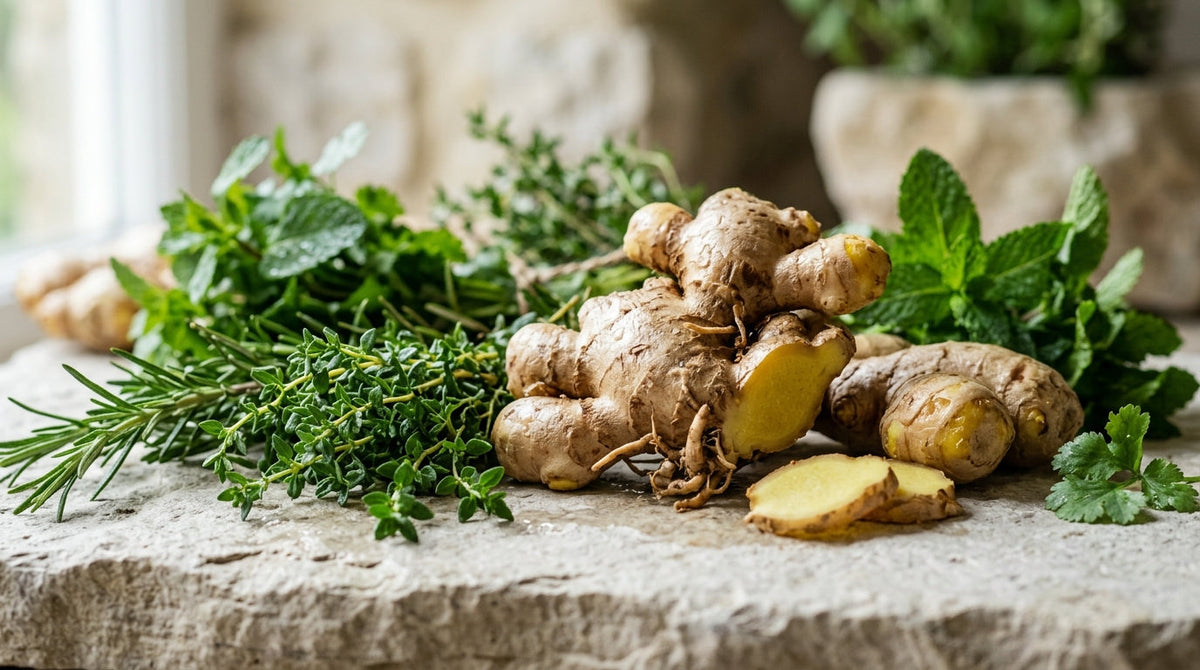
Florence Fennel contains quercetin glucoside and dicaffeoylquinic acid, which inhibit COX-2 inflammatory enzymes with IC₅₀ values of 9.34 and 14.77 µM respectively. These bioactive compounds provide anti-inflammatory and antioxidant effects primarily through cyclooxygenase inhibition and free radical scavenging.

Origin
Florence Fennel (Foeniculum vulgare var. azoricum) is a bulbous, aromatic herb native to the Mediterranean region, flourishing in temperate climates. Prized for its crisp texture and delicate anise-like flavor, it is a nutrient-dense vegetable valued for its digestive and anti-inflammatory properties in functional nutrition.
Potential benefits
- Supports digestive health by providing dietary fiber, which promotes gut motility and a balanced microbiome.
- Enhances cardiovascular wellness through potassium and fiber content, aiding in blood pressure regulation and cholesterol management.
- Boosts immune resilience with its rich vitamin C and antioxidant profile, protecting cells from oxidative stress.
- Contributes to bone health via essential minerals like calcium, magnesium, and phosphorus, crucial for bone density.
- Reduces inflammation through its flavonoid and vitamin C content, modulating inflammatory pathways.
How it works
Florence Fennel's primary bioactive compounds quercetin glucoside and dicaffeoylquinic acid selectively inhibit cyclooxygenase-2 (COX-2) enzyme activity, reducing inflammatory prostaglandin synthesis. Trans-anethole demonstrates 5-lipoxygenase inhibitory activity with an IC₅₀ of 51.6 mM, modulating the arachidonic acid pathway. Phenolic compounds in the bulb provide antioxidant effects through free radical scavenging and cellular protection mechanisms.
What the research says
Current research on Florence Fennel is primarily limited to in vitro laboratory studies and animal models rather than human clinical trials. The available evidence demonstrates anti-inflammatory and antioxidant properties through enzyme inhibition studies, but lacks robust human clinical data with specific sample sizes and quantified health outcomes. Traditional digestive health benefits are supported by the bulb's dietary fiber content, though controlled human studies are needed to validate therapeutic claims.
Safety and interactions
Safety data for Florence Fennel bulb consumption is limited in clinical literature, though culinary use is generally recognized as safe. Potential interactions with anticoagulant medications may occur due to phenolic compound content, requiring medical supervision for patients on blood-thinning therapy. Individuals with known allergies to Apiaceae family plants (celery, carrot, parsley) should exercise caution. Pregnancy and lactation safety has not been established through clinical studies, warranting conservative use during these periods.
Suggested use
- Forms: Consumed as a fresh vegetable (bulb, fronds, seeds), or as an extract/tea from seeds.
- Dosage: Typically consumed as a whole food; for seed extracts, follow product-specific guidelines, often 1-2 grams daily for digestive support.
Frequently asked questions
What are the main bioactive compounds in Florence Fennel?
Florence Fennel contains quercetin glucoside, dicaffeoylquinic acid, and isorhamnetin glucuronide as primary bioactive compounds. These phenolic compounds demonstrate COX-2 inhibitory activity with IC₅₀ values ranging from 9.34 to 15.88 µM in laboratory studies.
How does Florence Fennel support digestive health?
Florence Fennel provides dietary fiber that promotes gut motility and supports beneficial microbiome balance. The bulb's crisp texture and fiber content aid in digestive function, though clinical evidence is primarily based on traditional use rather than controlled trials.
Is there clinical evidence for Florence Fennel's health benefits?
Current evidence for Florence Fennel is primarily from in vitro and animal studies rather than human clinical trials. While laboratory research supports anti-inflammatory and antioxidant properties, robust clinical data with human subjects is lacking for most therapeutic claims.
What is the difference between Florence Fennel and regular fennel?
Florence Fennel (Foeniculum vulgare var. azoricum) produces an enlarged, bulbous stem base used as a vegetable, while common fennel is primarily cultivated for its seeds. The bioactive profiles and culinary applications differ significantly between the bulb and seed portions.
Are there any safety concerns with Florence Fennel consumption?
Florence Fennel is generally safe for culinary consumption, but may interact with anticoagulant medications due to phenolic compounds. Individuals with Apiaceae family allergies should avoid use, and safety during pregnancy has not been clinically established.
Can I get enough Florence Fennel benefits from eating the vegetable instead of taking a supplement?
Yes, consuming the fresh bulb or seeds of Florence Fennel provides meaningful amounts of fiber, potassium, vitamin C, and antioxidants for digestive and cardiovascular support. However, supplement forms offer concentrated bioactive compounds and consistent dosing, making them more practical for therapeutic amounts, especially if you don't regularly consume fennel as part of your diet. For general health maintenance, incorporating fresh fennel into meals can be effective, while supplements are better suited for targeted health goals.
Is Florence Fennel safe to use alongside blood pressure or cholesterol medications?
Florence Fennel is generally well-tolerated, but its potassium content and blood pressure-regulating properties warrant caution if you're taking antihypertensive or cholesterol-lowering medications. It may have additive effects that could lower blood pressure too much or interact with certain drug classes, particularly ACE inhibitors or potassium-sparing diuretics. Consult your healthcare provider before combining Florence Fennel supplements with cardiovascular medications to ensure safe and appropriate use.
Who benefits most from Florence Fennel supplementation?
Individuals with digestive complaints like bloating, gas, or irregular bowel movements, as well as those seeking cardiovascular support through natural potassium and fiber sources, are primary candidates for Florence Fennel supplementation. People with microbiome imbalances may also benefit from its prebiotic fiber content, while those with limited dietary access to cruciferous vegetables and antioxidant-rich foods can gain immune support from regular use. Athletes and those managing blood pressure naturally may find additional value in its mineral and cardiovascular-supporting profile.
References
- https://www.ncbi.nlm.nih.gov/search/all/?term=Florence+Fennel
- https://www.sciencedirect.com/science/article/pii/S1878535219300756
- https://www.ncbi.nlm.nih.gov/pmc/articles/PMC7375629/
This article is educational and is not medical advice. Statements have not been evaluated by the FDA and are not intended to diagnose, treat, cure, or prevent any disease. Consult a healthcare professional before use.