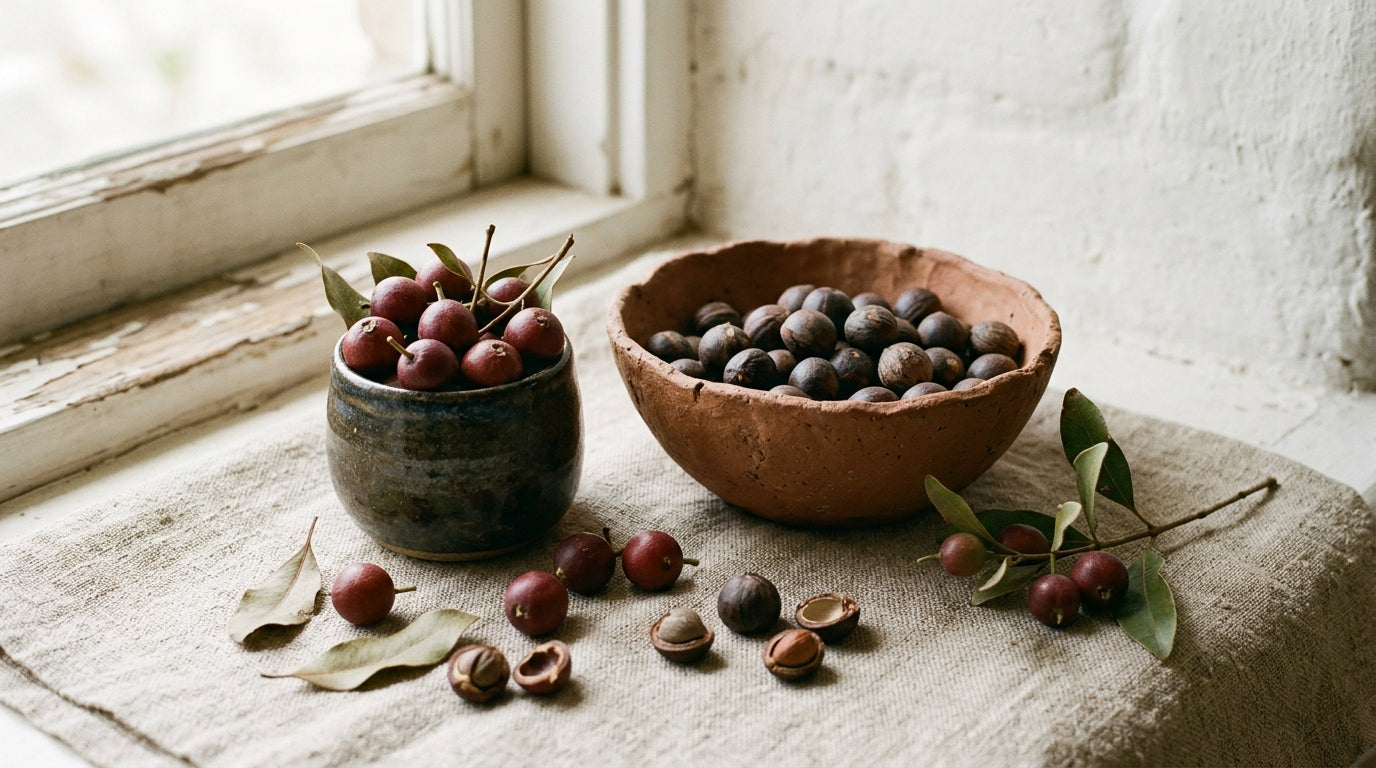
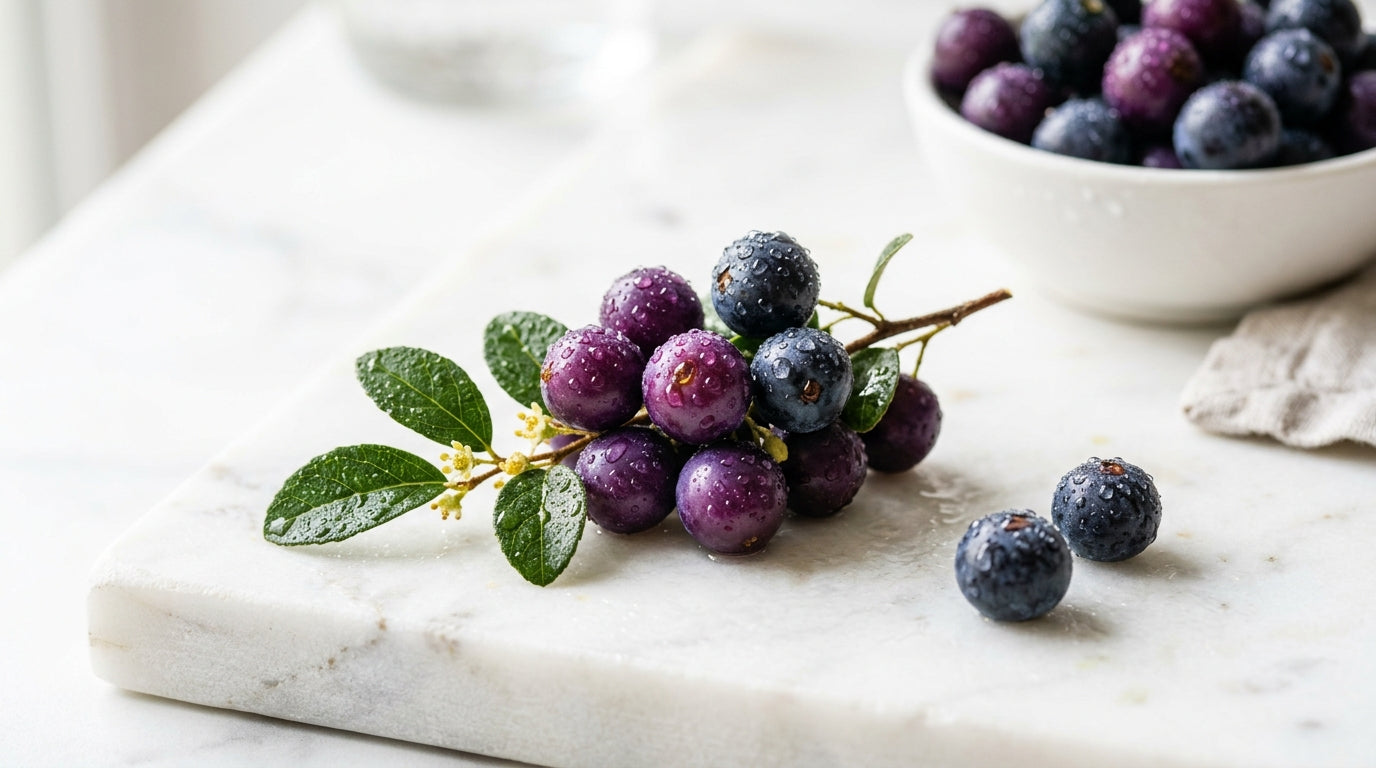
Banisteriopsis caapi contains β-carboline alkaloids (harmine, harmaline, tetrahydroharmine) that act as reversible MAO-A inhibitors, enabling oral DMT activation in traditional ayahuasca preparations. The vine's compounds directly modulate serotonergic, glutamatergic, and dopaminergic pathways while promoting neuroplasticity through 5-HT2A receptor activation.

Origin
Ayahuasca Vine (*Banisteriopsis caapi*) is a woody liana native to the tropical rainforests of the Upper Amazon Basin, including regions of Peru, Brazil, Colombia, and Ecuador. It is traditionally used as a key component in the ceremonial Ayahuasca brew. This vine is profoundly significant for its beta-carboline alkaloids, which act as monoamine oxidase inhibitors (MAOIs), enabling deep psychological processing and spiritual insight.
Potential benefits
- Acts as a monoamine oxidase inhibitor (MAOI) through beta-carboline alkaloids, enabling the oral activation of DMT in traditional ceremonial contexts.
- Supports deep psychological processing and emotional release, facilitating introspection and trauma integration.
- Enhances neuroplasticity and spiritual insight by modulating serotonergic pathways and consciousness.
- Modulates serotonergic pathways, influencing mood, perception, and expanded states of consciousness.
- Promotes purging (vomiting/diarrhea) for energetic and physical detoxification, a traditional aspect of its ceremonial use.
How it works
The β-carboline alkaloids harmine, harmaline, and tetrahydroharmine reversibly inhibit monoamine oxidase-A (MAO-A), preventing DMT deamination and allowing CNS penetration. These compounds also directly agonize 5-HT2A serotonin receptors, triggering PLC-induced IP3/DAG increases, ERK, and β-arrestin2 pathways. Harmine specifically promotes neural progenitor cell proliferation and astrocytic function restoration while modulating VMAT, TAAR1, and sigma-1 receptors.
What the research says
Current research consists primarily of preclinical studies and limited observational trials rather than large-scale randomized controlled trials. One small all-male study demonstrated natural killer cell increases peaking at 2 hours post-administration, returning to baseline by 24 hours. Preclinical models show harmine reduces methamphetamine, cocaine, and alcohol relapse behaviors. Clinical evidence for depression, addiction, and PTSD treatment remains preliminary, with most studies conducted within ceremonial contexts rather than controlled medical settings.
Safety and interactions
MAO-A inhibition creates serious risk of serotonin syndrome when combined with SSRIs, SNRIs, or other MAOIs, and hypertensive crisis with tyramine-rich foods. The preparation is contraindicated in pregnancy, cardiovascular disease, and psychiatric instability due to intense psychoactive effects and sympathomimetic activity. High doses can inhibit both MAO-A and MAO-B, increasing interaction risks. Moderate neuroendocrine effects and elevated sympathomimetic markers have been documented in clinical observations.
Suggested use
- Common forms: Traditionally prepared as part of the Ayahuasca brew, typically with *Psychotria viridis* or *Diplopterys cabrerana*.
- Traditional Use: Used ceremonially by Indigenous Amazonian tribes (e.g., Shipibo, Ashaninka, Yawanawa) for healing, vision quests, and ancestral connection.
- Modern Contexts: Employed in therapeutic, shamanic, and entheogenic practices for trauma release, addiction healing, and expanded consciousness.
- Dosage: Always administered under strict ceremonial or clinical supervision due to its potent psychoactive effects and MAOI interactions.
- Contraindications: Not recommended for unsupervised or recreational use due to significant MAOI interactions (e.g., with SSRIs, stimulants, high-tyramine foods) and intense psychological effects.
Frequently asked questions
What makes ayahuasca vine different from other MAO inhibitors?
Banisteriopsis caapi contains reversible MAO-A inhibiting β-carbolines that also directly agonize 5-HT2A receptors, unlike pharmaceutical MAOIs. The vine's compounds harmine, harmaline, and tetrahydroharmine have additional neuroplasticity-promoting effects through neural progenitor cell proliferation.
How long do the MAO-inhibiting effects of ayahuasca vine last?
The β-carboline alkaloids provide reversible MAO-A inhibition with effects typically lasting 4-6 hours after oral consumption. Natural killer cell increases peak at 2 hours and return to baseline by 24 hours, though complete MAO enzyme restoration may take longer.
Can ayahuasca vine be used alone without DMT-containing plants?
Yes, Banisteriopsis caapi can be consumed independently and has been used traditionally for its own psychoactive and therapeutic properties. The β-carbolines themselves produce mild psychoactive effects and neuroplasticity benefits without requiring DMT co-administration.
What medications are dangerous to combine with ayahuasca vine?
SSRIs, SNRIs, other MAOIs, and tyramine-rich foods create serious risks of serotonin syndrome or hypertensive crisis due to MAO-A inhibition. Stimulants, certain pain medications, and decongestants also pose interaction risks requiring medical supervision.
Is there scientific evidence for ayahuasca vine treating depression?
Current evidence consists mainly of preclinical studies and small observational trials rather than large randomized controlled trials. While harmine shows promise in animal models and preliminary human studies suggest neuroplasticity benefits, robust clinical evidence for depression treatment remains limited.
What is the typical dosage range for ayahuasca vine in traditional use?
Traditional ceremonial doses typically range from 20-100 grams of dried vine material per person, though preparation methods vary significantly by practitioner and lineage. The vine is usually brewed into a decoction and combined with other plants, with total brew volumes often reaching 100-200 milliliters. Dosing is highly individualized based on body weight, prior experience, and the specific alkaloid concentration of the plant material used. Modern supplement forms containing standardized vine extracts typically provide much lower doses and should follow manufacturer guidelines rather than traditional ceremony protocols.
Who should avoid using ayahuasca vine supplements?
Individuals with serotonin syndrome risk, bipolar disorder, uncontrolled hypertension, or those taking SSRIs, tramadol, or certain blood pressure medications should avoid ayahuasca vine due to serious interaction potential. Pregnant and breastfeeding women should not use this ingredient, as safety data is insufficient and traditional use involved carefully controlled ceremonial contexts rather than supplementation. People with a personal or family history of psychosis or schizophrenia should consult a mental health professional before use, given the ingredient's profound effects on consciousness and serotonergic pathways. Those with liver dysfunction or severe gastrointestinal conditions may also be at higher risk for adverse effects.
How does ayahuasca vine's MAOI activity compare to pharmaceutical MAOIs in strength and duration?
Ayahuasca vine's MAOI effect is primarily mediated by beta-carboline alkaloids and is generally considered less potent than pharmaceutical MAOIs like phenelzine or tranylcypromine, though comparative clinical data is limited. The duration of MAOI activity from the vine typically lasts 4-8 hours depending on dose and individual metabolism, whereas pharmaceutical MAOIs often require weeks to reach steady state and have much longer discontinuation periods. Ayahuasca vine's MAOI activity is reversible and shorter-acting, making dietary tyramine restrictions potentially less stringent than with pharmaceutical MAOIs, though caution is still warranted. The botanical complexity of the vine means it contains additional alkaloids and compounds beyond simple MAOI activity, distinguishing its pharmacological profile from single-compound pharmaceutical options.
References
- https://www.ncbi.nlm.nih.gov/search/all/?term=Ayahuasca+Vine
- https://www.ncbi.nlm.nih.gov/pmc/articles/PMC8504359
- https://pubmed.ncbi.nlm.nih.gov/32036697
- https://www.sciencedirect.com/science/article/pii/S2215036620301018
This article is educational and is not medical advice. Statements have not been evaluated by the FDA and are not intended to diagnose, treat, cure, or prevent any disease. Consult a healthcare professional before use.