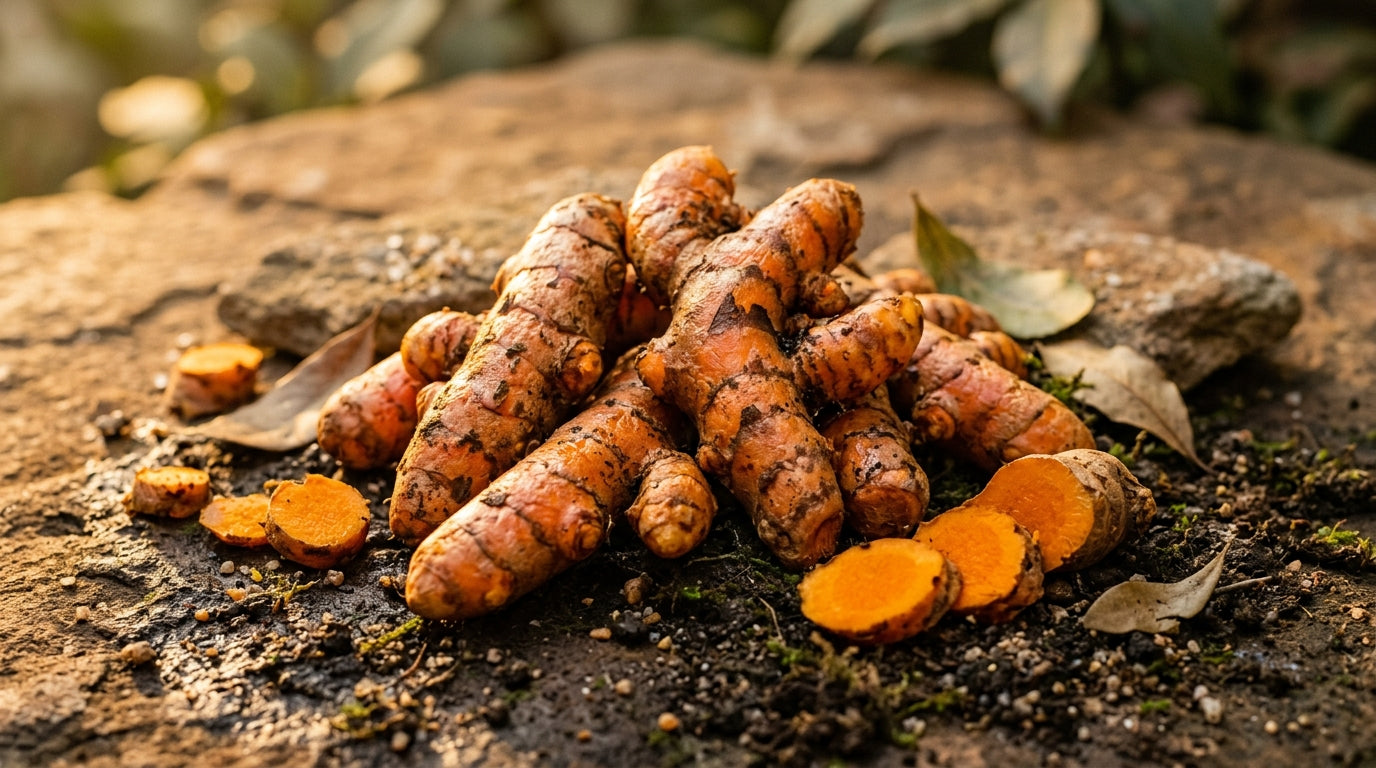
Stinging nettle root (Urtica dioica) contains lignans (secoisolariciresinol, neo-olivil), phytosterols (β-sitosterol, stigmasterol), and polysaccharides that inhibit dihydrotestosterone binding to sex hormone-binding globulin (SHBG) and block aromatase activity, directly modulating androgen metabolism at the prostate membrane level. A comprehensive review of clinical and pharmacological evidence confirmed nettle root as a viable alternative for benign prostatic hyperplasia (BPH) and associated lower urinary tract symptoms, with significant IPSS reductions documented across multiple trials (Koch, Planta Med, 2001; PMID 11509966).

Origin
Stinging Nettle Root (Urtica dioica) is a herbaceous perennial native to temperate regions across Europe, Asia, North Africa, and North America. Its root is highly valued for its unique phytosterols and lignans. This makes it a significant botanical for prostate health and hormonal balance in functional nutrition.
Potential benefits
- Reduces symptoms of benign prostatic hyperplasia (BPH) and supports overall prostate health.
- Promotes urinary health by enhancing diuresis and supporting kidney function.
- Modulates sex hormone-binding globulin (SHBG), supporting healthy testosterone balance.
- Reduces joint inflammation, alleviating pain and enhancing flexibility.
- Supports cardiovascular health through its antioxidant content and beta-sitosterol.
- Enhances immune resilience and protects against oxidative stress.
- Supports blood sugar regulation, with emerging research suggesting benefits in glycemic control.
How it works
Stinging nettle root lignans—including secoisolariciresinol, neo-olivil, and isolariciresinol—competitively inhibit dihydrotestosterone (DHT) binding to sex hormone-binding globulin (SHBG) and directly block DHT interaction with cytosolic and nuclear receptors in prostate tissue, reducing androgenic stimulation of prostatic growth (PMID 17509841). Phytosterols such as β-sitosterol and stigmasterol inhibit 5α-reductase and aromatase enzyme activity, thereby limiting conversion of testosterone to DHT and estradiol respectively, while also disrupting Na⁺/K⁺-ATPase activity on prostate cell membranes to modulate prostatic cell proliferation (PMID 11509966). Polysaccharides and lectins, particularly Urtica dioica agglutinin (UDA), activate innate immune pathways via TLR4 agonism through microbe-associated molecular patterns (MAMPs), contributing to immune-modulatory and anti-inflammatory effects (PMID 37654434). Additionally, flavonoids such as quercetin and kaempferol scavenge reactive oxygen species and inhibit NF-κB-mediated pro-inflammatory cytokine expression (IL-6, TNF-α), providing complementary antioxidant and anti-inflammatory protection (PMID 35800714).
What the research says
A 6-month randomized controlled trial of 558 men with BPH showed nettle root extract (120 mg twice daily) improved IPSS scores by 5.3 points versus 4.6 for placebo and increased urinary flow rate by 3.4 mL/s versus 2.6 mL/s. A 2013 meta-analysis of 5 RCTs (n=287) demonstrated IPSS improvement of -4.86 points and nocturia reduction of -1.02 episodes per night compared to placebo. Evidence for other conditions like arthritis remains limited, with most studies focusing on leaf-root combinations rather than isolated root extracts. Clinical evidence is strongest for BPH symptoms at doses of 300-900 mg daily for 6-12 months.
Safety and interactions
Stinging nettle root is generally well-tolerated at standard doses (300–600 mg standardized extract daily), with mild gastrointestinal discomfort and rare allergic dermatitis reported as the most common adverse effects (PMID 17509841). Due to its potential to modulate androgen and estrogen metabolism, nettle root may interact with hormonal therapies including 5α-reductase inhibitors (finasteride, dutasteride), antiandrogens, and hormone replacement therapy, potentially amplifying or attenuating their effects. Nettle root's mild diuretic properties warrant caution when co-administered with antihypertensives or lithium, as it may potentiate hypotensive effects or alter lithium clearance. While no significant CYP450 inhibition has been documented at typical doses, patients taking warfarin should exercise caution due to the plant's vitamin K content, and individuals who are pregnant or breastfeeding should avoid use due to insufficient safety data.
Suggested use
- Commonly used in prostate health supplements, urinary wellness blends, and anti-inflammatory formulas.
- For tea, brew 1–2 teaspoons of dried root in hot water.
- Standardized root extracts are typically dosed at 500–800 mg daily.
- Can be added as a powdered root to smoothies for a nutrient-dense boost.
Frequently asked questions
What are the main stinging nettle root benefits for prostate health?
Stinging nettle root benefits for prostate health are primarily driven by lignans and phytosterols that inhibit DHT binding to SHBG and prostate receptors, reducing benign prostatic hyperplasia (BPH) symptoms. Clinical reviews have documented significant improvements in International Prostate Symptom Score (IPSS), urinary flow rate, and post-void residual volume (PMID 17509841; PMID 11509966). These effects make nettle root a recognized phytotherapeutic option recommended by European urological guidelines for early-stage BPH management.
How does stinging nettle root affect testosterone and hormonal balance?
Stinging nettle root lignans competitively bind to SHBG, displacing testosterone and potentially increasing free (bioavailable) testosterone levels in the bloodstream (PMID 30790614). Additionally, its phytosterols inhibit aromatase, the enzyme responsible for converting testosterone to estradiol, helping maintain a favorable testosterone-to-estrogen ratio. This dual mechanism supports hormonal balance particularly in aging men experiencing androgen-related changes.
Can stinging nettle root help with urinary problems?
Yes, multiple clinical trials have confirmed that stinging nettle root extracts significantly improve lower urinary tract symptoms (LUTS) associated with BPH, including increased urinary flow rate, reduced nocturia, and decreased post-void residual urine volume (PMID 17509841). Yarnell (2002) in World Journal of Urology reviewed nettle root among botanical medicines for the urinary tract, noting its established efficacy in European clinical practice (PMID 12522584). Typical effective doses range from 300–600 mg of standardized root extract per day.
What is the difference between stinging nettle root and stinging nettle leaf?
Stinging nettle root (Urticae radix) and leaf (Urticae folium) have distinct phytochemical profiles and therapeutic applications. The root is rich in lignans, phytosterols, and polysaccharides primarily studied for BPH and hormonal modulation (PMID 17509841), while the leaf contains higher concentrations of chlorophyll, carotenoids, and phenolic acids used mainly for anti-inflammatory and antiallergic purposes (PMID 36679022). Chemical analysis by Tarasevičienė et al. (2023) confirmed significantly different phenolic compositions between roots and leaves of wild Urtica dioica.
Is stinging nettle root safe to take with medications?
Stinging nettle root is generally safe but may interact with certain medications. Its hormonal-modulating effects could interfere with 5α-reductase inhibitors, antiandrogens, and hormone replacement therapies. Its diuretic action may potentiate the effects of antihypertensive drugs or alter lithium clearance, so co-administration requires medical supervision (PMID 17509841; PMID 31163183). Dhouibi et al. (2020) recommended consulting a healthcare provider before combining nettle root with prescription medications.
What is the recommended dosage for stinging nettle root, and how long does it take to see results?
Clinical studies on stinging nettle root for BPH typically use doses ranging from 300–600 mg daily, often divided into multiple servings. Most users report noticeable improvements in urinary symptoms within 4–6 weeks of consistent use, though some benefits to prostate health may take 8–12 weeks to fully manifest. It is important to follow product label instructions, as standardized extracts may have different recommended dosages than whole root preparations.
Is stinging nettle root safe during pregnancy and breastfeeding?
Stinging nettle root is not recommended during pregnancy due to insufficient safety data and its potential uterine stimulant properties. Similarly, nursing mothers should avoid supplementing with stinging nettle root, as compounds may pass into breast milk and effects on infants are not well-established. Consult a healthcare provider before use if you are pregnant, planning pregnancy, or breastfeeding.
How does stinging nettle root compare to saw palmetto for prostate health?
Both stinging nettle root and saw palmetto are traditionally used for BPH support, but they work through different mechanisms—nettle root modulates SHBG and reduces inflammation, while saw palmetto primarily inhibits 5-alpha reductase enzyme activity. Some research suggests combining both ingredients may provide complementary benefits, though individual response varies. The choice between them depends on personal health goals, existing medications, and individual biochemistry, making professional guidance valuable.
What is stinging nettle root and how does it differ from the leaf?
Stinging nettle root comes from the underground portion of Urtica dioica, a perennial plant native to Europe, Asia, and North America, and has a distinct phytochemical profile compared to the leaf. The root is rich in lignans, phytosterols, and polysaccharides that specifically target androgen metabolism and prostate tissue, while the leaf is more commonly used for allergies and inflammatory conditions due to its different flavonoid and histamine-modulating content. Most clinical evidence for BPH and urinary tract symptoms specifically uses root extracts, not leaf preparations.
How does stinging nettle root help with BPH symptoms?
Stinging nettle root reduces benign prostatic hyperplasia (BPH) symptoms primarily by inhibiting dihydrotestosterone (DHT) binding to sex hormone-binding globulin (SHBG) and blocking 5α-reductase and aromatase enzymes, which limits androgenic stimulation of prostatic cell growth. Clinical trials support its efficacy: a 6-month RCT of 558 men found 120 mg twice daily improved IPSS scores by 5.3 points and urinary flow rate by 3.4 mL/s compared to placebo. A 2013 meta-analysis of five RCTs further confirmed an average IPSS improvement of -4.86 points, positioning nettle root as a clinically meaningful option for lower urinary tract symptom relief.
References
- https://www.ncbi.nlm.nih.gov/search/all/?term=Stinging+Nettle+Root
- https://fdc.nal.usda.gov/fdc-app.html#/search?query=Stinging+Nettle+Root
- https://pubmed.ncbi.nlm.nih.gov/32649385
- https://www.sciencedirect.com/science/article/pii/S1878535220302413
- https://www.ncbi.nlm.nih.gov/pmc/articles/PMC7361862/
This article is educational and is not medical advice. Statements have not been evaluated by the FDA and are not intended to diagnose, treat, cure, or prevent any disease. Consult a healthcare professional before use.