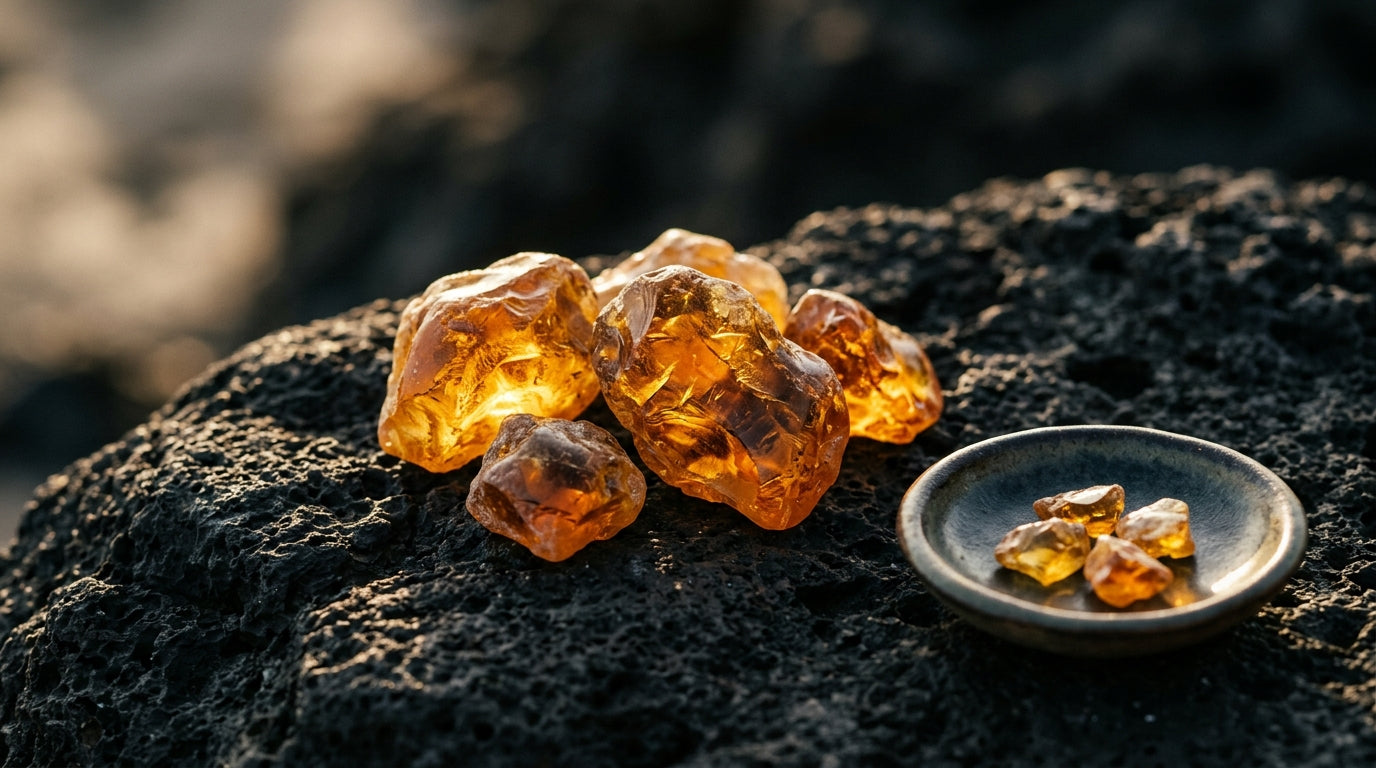
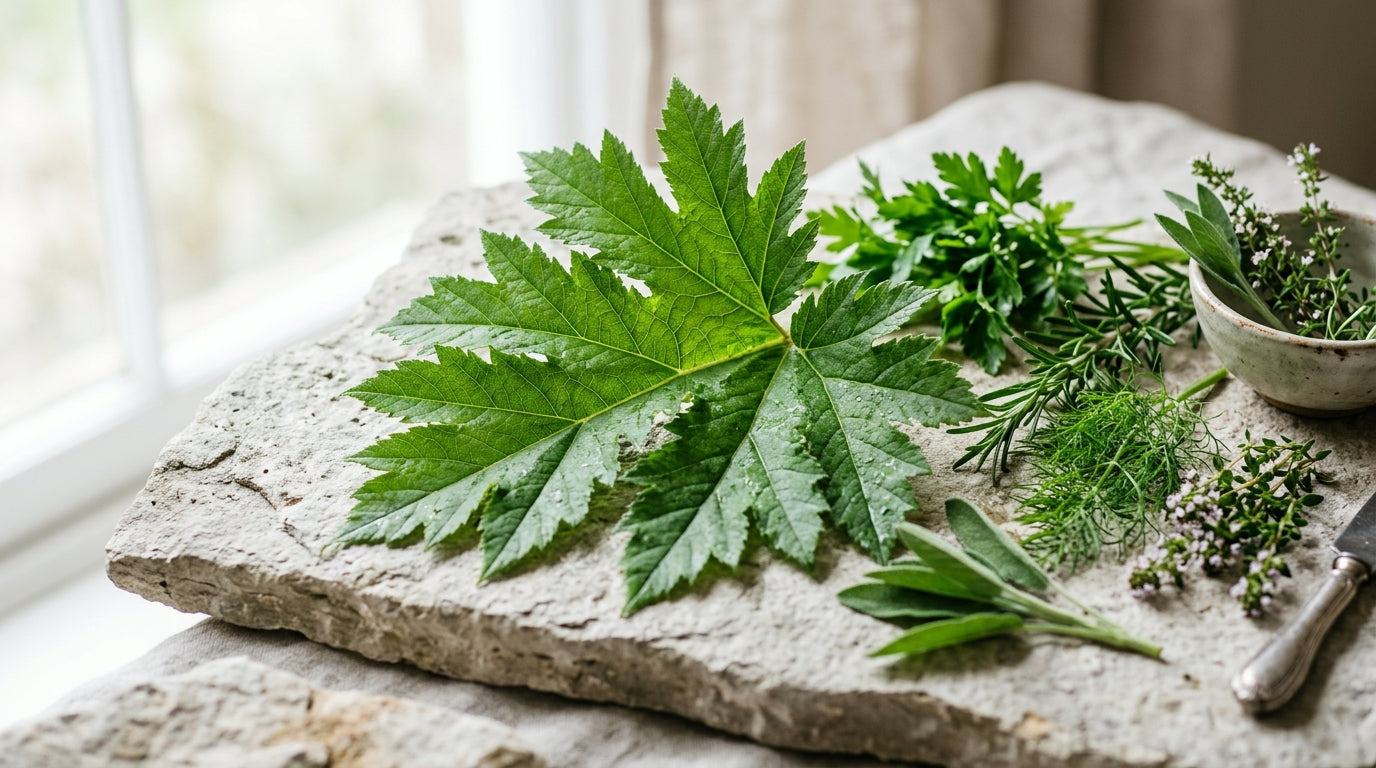
Gentian root (Gentiana lutea) contains bitter iridoids including gentiopicroside and amarogentin that stimulate digestive secretions through bitter taste receptor activation. These compounds also exhibit hepatoprotective effects by activating the Nrf2/HO-1 antioxidant pathway and reducing inflammatory markers TNF-α and IL-6.

Origin
Gentian Root (Gentiana lutea) is a perennial herb native to the mountainous regions of Europe, Asia, and the Americas, thriving in high-altitude, well-drained soils. This robust root is renowned for its intensely bitter taste, which signals a rich concentration of bioactive compounds. It is highly valued in functional nutrition for its profound ability to stimulate digestive processes and support liver detoxification.
Potential benefits
- Stimulates digestive function: Bitter glycosides (gentiopicroside, amarogentin) enhance saliva, bile, and gastric acid secretion, improving nutrient absorption.
- Supports liver detoxification: Promotes bile flow and protects hepatic cells from oxidative stress, aiding the liver's natural cleansing processes.
- Enhances appetite: Its intense bitterness can stimulate appetite, particularly beneficial for those with poor digestion or convalescence.
- Reduces inflammation: Contains bioactive compounds, including xanthones and flavonoids, that contribute to anti-inflammatory effects.
- Boosts immune resilience: Antioxidant compounds and polysaccharides contribute to a stronger immune response and overall vitality.
- Supports metabolic health: May assist in regulating blood sugar levels, contributing to balanced metabolism.
How it works
Gentiopicroside inhibits IKKβ phosphorylation and blocks NF-κB nuclear translocation, reducing inflammatory markers COX-2 and TNF-α while promoting M2 macrophage polarization. Swertiamarin activates the Nrf2/HO-1 antioxidant pathway, providing hepatoprotective effects against oxidative stress. The bitter iridoids stimulate digestive secretions by activating bitter taste receptors in the oral cavity and gastrointestinal tract.
What the research says
Evidence primarily comes from preclinical studies rather than human clinical trials. In rat models, swertiamarin at 100-200 mg/kg for 8 weeks significantly reduced CCl4-induced liver toxicity by decreasing oxidative stress markers. In vitro studies show ethanolic gentian extract inhibits tyrosinase by 50.85% at 100 μg/mL concentration, nearly matching kojic acid's 51.81% inhibition. Mouse studies with G. manshurica extract demonstrated significant reductions in serum AST/ALT and triglycerides in alcohol-induced liver damage, though specific quantified values were not reported.
Safety and interactions
No specific drug interactions or contraindications have been documented in available research, though comprehensive human safety data is limited. The bitter compounds may cause gastrointestinal upset in sensitive individuals, particularly when taken on an empty stomach. Preclinical toxicology studies suggest low toxicity profiles, but pregnant and breastfeeding women should avoid use due to insufficient safety data. Patients taking medications for liver conditions should consult healthcare providers before use due to gentian's hepatoactive compounds.
Suggested use
- Common Forms: Dried root (for tea or decoctions), standardized extracts, tinctures, herbal bitters.
- Traditional Use: Steep 1-2 grams of dried root in hot water before meals as a digestive aid.
- Modern Supplements: Consume 200-400 mg of standardized extract daily, typically before meals, for digestive and liver support.
- Culinary Use: A key ingredient in traditional European herbal bitters, aperitifs, and digestifs.
- Important Note: Due to its intense bitterness, it is often consumed in small doses or as part of a blend.
Frequently asked questions
What makes gentian root so bitter and how does this affect digestion?
Gentian root contains intense bitter compounds called iridoid glycosides, particularly amarogentin which is one of the most bitter natural substances known. These compounds activate bitter taste receptors that trigger reflex secretion of saliva, gastric acid, and bile, enhancing overall digestive function.
How much gentian root should be taken for digestive benefits?
While preclinical studies used swertiamarin doses of 100-200 mg/kg, human dosing guidelines are not well-established due to limited clinical trials. Traditional herbal preparations typically use 1-3 grams of dried root or equivalent extracts, but consultation with a healthcare provider is recommended for appropriate dosing.
Can gentian root help with liver detoxification and how?
Gentian root compounds like swertiamarin activate the Nrf2/HO-1 antioxidant pathway, which enhances the liver's natural detoxification processes. Studies show it reduces inflammatory markers TNF-α and IL-6 while promoting bile flow, though human clinical data is still needed to confirm these effects.
What's the difference between Gentiana lutea and Gentiana scabra?
Both species contain similar bitter iridoids but in different concentrations, with G. lutea (Great Yellow Gentian) native to European mountains and G. scabra used primarily in Traditional Chinese Medicine. G. lutea tends to have higher amarogentin content, while G. scabra contains more gentiopicroside and swertiamarin.
Are there any side effects from taking gentian root supplements?
Gentian root is generally well-tolerated but may cause gastrointestinal upset, nausea, or heartburn due to its intense bitter compounds, especially when taken without food. People with gastric or duodenal ulcers should avoid use as the increased acid production could worsen symptoms.
Does gentian root interact with common medications like antacids or acid reflux drugs?
Gentian root may interact with medications that reduce stomach acid production, such as proton pump inhibitors or H2 blockers, since gentian works by stimulating acid secretion. Additionally, its bitter compounds may affect the absorption timing of certain medications, so it's best taken separately from prescriptions by at least 2 hours. Consult a healthcare provider before combining gentian root with medications for acid reflux or gastrointestinal conditions.
Is gentian root safe during pregnancy and breastfeeding?
Gentian root is generally not recommended during pregnancy, as its strong stimulation of digestive secretions and potential uterine effects have not been thoroughly studied in pregnant women. While there is limited evidence of harm, the bitter compounds may also pass into breast milk, making it prudent to avoid supplementation while breastfeeding. Pregnant and nursing women should consult their healthcare provider before using gentian root products.
What is the most effective form of gentian root—extract, powder, or tincture?
Gentian root extracts (particularly standardized to bitter glycosides) are generally considered the most bioavailable form because they concentrate the active compounds and bypass some digestive degradation. Tinctures are also effective for rapid absorption of bitter principles, making them popular for stimulating appetite before meals. Powdered root works well in herbal tea blends but may have slower absorption and lower bioavailability due to the plant material's bitter compounds potentially being partially lost in preparation.
References
- https://www.ncbi.nlm.nih.gov/search/all/?term=Gentian+Root
- https://fdc.nal.usda.gov/fdc-app.html#/search?query=Gentian+Root
- https://pubmed.ncbi.nlm.nih.gov/31801645
- https://www.sciencedirect.com/science/article/pii/S2213453019302507
- https://www.ncbi.nlm.nih.gov/pmc/articles/PMC7265683/
This article is educational and is not medical advice. Statements have not been evaluated by the FDA and are not intended to diagnose, treat, cure, or prevent any disease. Consult a healthcare professional before use.